Idaho Fishing License Age Requirements
It can be incredibly confusing to figure out who needs what kind of fishing license, especially when you're planning a trip to Idaho and trying to get everyone in the family ready for some angling fun. Between different ages, residency rules, and specific species permits, it's easy to feel like you need a law degree just to cast a line. This comprehensive guide is here to break down all the Idaho fishing license age requirements, making it crystal clear so you can focus on the important stuff: catching fish!
The Basics of Idaho's Fishing License Age Structure
Navigating the licensing labyrinth can feel daunting, but the Idaho Department of Fish and Game (IDFG) has a pretty straightforward system once you understand the core age brackets. It's really about ensuring that as anglers grow, they understand their responsibilities and contribute to the conservation efforts that keep Idaho's waters vibrant.
Who Needs a License and Who Doesn't Minimum Age
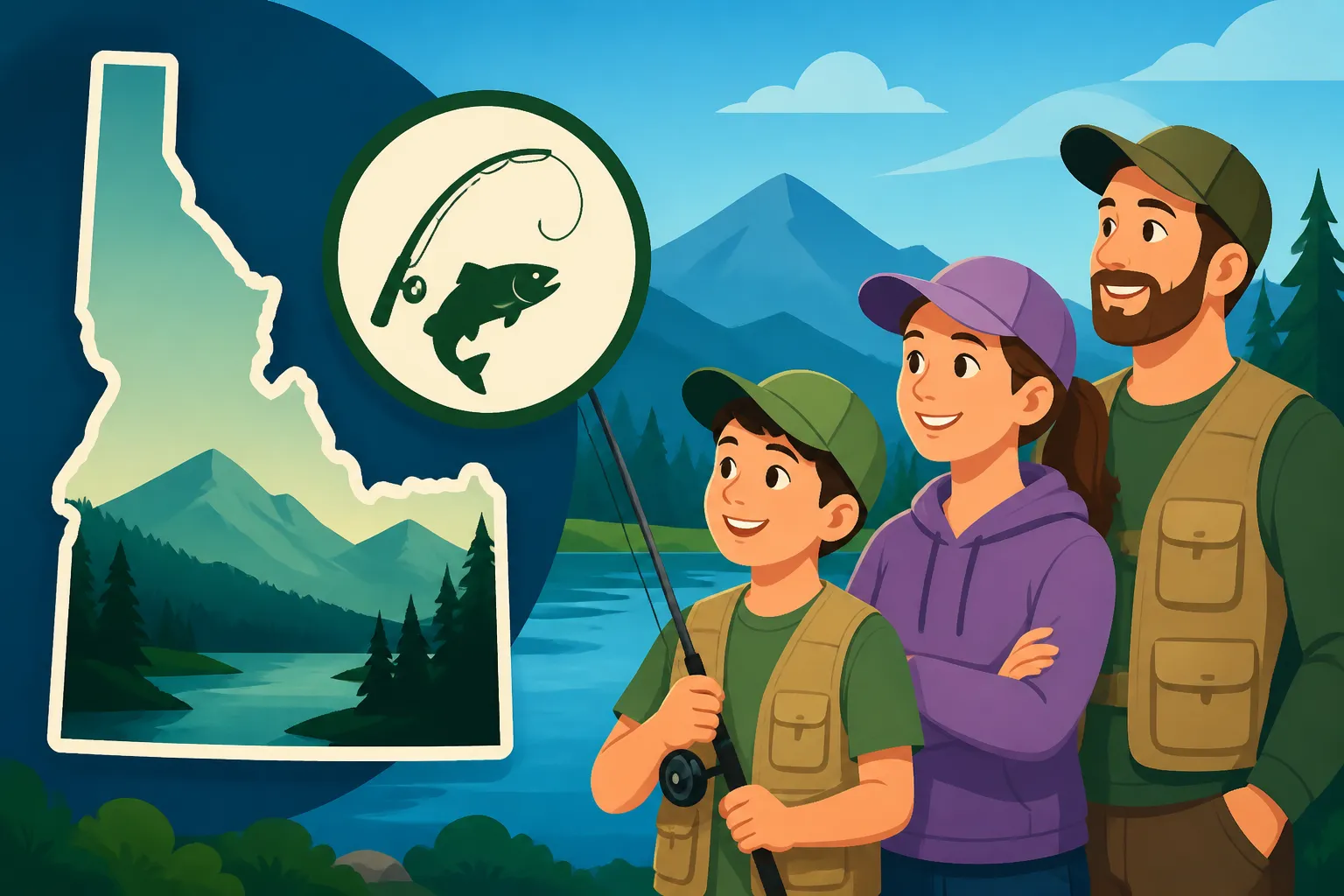
Let's start with the absolute basics: the youngest anglers. In Idaho, children under the age of 14 are generally exempt from needing a fishing license. This is fantastic news for families because it means your little ones can join you on the water without any extra paperwork or cost. Imagine taking your 7-year-old niece or 10-year-old son out to Lake Coeur d'Alene for some kokanee action. They can cast their lines, reel in fish, and experience the joy of fishing firsthand, all under your supervision, and without the need for their own license.
This exemption is designed to encourage youth participation in outdoor activities and foster an early love for fishing. It removes a barrier for parents and guardians who might otherwise hesitate to introduce their kids to the sport due to additional expenses or administrative hassle. However, while they don't need a general fishing license, there are often nuances, especially if they're targeting specific, highly regulated species or participating in certain events. For general trout fishing in a local pond or river, though, they're good to go. The key is that they must be accompanied by a licensed adult who is actively supervising them. Think of it as a mentorship program where the experienced angler is responsible for ensuring the young one understands the rules, even if they aren't directly holding a license.
When a Youth License Becomes Necessary
The tide turns once an angler reaches 14 years old. At this point, the IDFG considers them old enough to purchase and carry their own fishing license. This is where the youth license comes into play, specifically for residents aged 14 to 17. It’s a transitional phase, recognizing that while they're no longer "little kids," they're also not yet full adults. This license allows them to fish independently, or with friends and family, and ensures they are contributing to the state's fisheries management.
The Idaho Youth Fishing License Rules are designed to be more affordable than an adult license, making it accessible for teenagers who might be funding their own outdoor pursuits or who are just starting to earn their own money. It's also a great way to instill responsibility, as they're now personally accountable for knowing and following the Idaho Fishing Regulations Explained. This age group often has a burst of independence, and having their own license empowers them to explore Idaho's vast fishing opportunities, from casting for bass on the Snake River to trying their hand at fly fishing the Henry's Fork. It’s a step towards becoming a fully engaged and responsible member of the Idaho angling community.
The Adult License Threshold
The final jump in Idaho's age-based licensing structure occurs at 18. Once you hit the big one-eight, you are officially considered an adult angler in the eyes of the IDFG, and an adult fishing license is required. This applies whether you're an Idaho resident or an out-of-state visitor. This adult license is the standard requirement for most anglers and supports the broad range of conservation programs, fish stocking efforts, and habitat improvements across the state.
An adult license typically covers general fishing for a wide variety of species in most waters, but it's crucial to remember that certain species, like steelhead and salmon, often require additional permits or stamps, regardless of age once you're past the under-14 exemption. For example, if you're planning a trip for those powerful Clearwater River steelhead, even with your adult license, you'll need the appropriate permit. This adult stage signifies full responsibility as an angler, including understanding catch limits, season dates, and ethical angling practices. It’s a commitment to preserving Idaho’s incredible aquatic resources for future generations.
Special Considerations for Different Age Groups
Idaho's fishing license requirements aren't a one-size-fits-all, particularly when it comes to the diverse needs and capabilities of different age groups. The regulations acknowledge that a 6-year-old has different needs than a 16-year-old, or a 70-year-old.
What About the Littlest Anglers Under 14
For kids under 14, the freedom to fish without a license is a huge benefit. This is the prime time to introduce them to the sport without any pressure. Think of it as their "apprenticeship" phase. You can take them to one of the many family-friendly fishing spots around Idaho, like a local community pond, or even a smaller creek where panfish or stocked trout are plentiful. They can experiment with different baits, learn how to cast, and feel the excitement of a bite, all while enjoying the fresh air and natural beauty.
It’s an opportunity for hands-on learning, not just about fishing techniques, but about conservation, patience, and respecting wildlife. You, as the accompanying licensed adult, are essentially their mentor. You're teaching them about proper fish handling, how to tell a hatchery fish from a wild one, and the importance of releasing fish gently if they're not going to be kept. While they don't need a license, you are responsible for ensuring that any fish they catch and keep are within your own license's bag limits. This means if your 10-year-old catches a beautiful rainbow trout and wants to keep it for dinner, it counts towards your daily limit, not an imaginary one for them. This creates a valuable bond and shares the outdoor experience, making memories that last far longer than any specific catch. For the little ones, a simple spin-cast rod and reel combo, easily found on Amazon or at your local sporting goods store, is perfect for their first casts.
Teenagers Navigating the Transition Ages 14-17
This age group (14-17) occupies a unique space, requiring a youth license. It's a fantastic middle ground that recognizes their growing independence while still offering a more affordable entry into the sport compared to a full adult license. For a teenager, this might be their first personal foray into managing their own outdoor permits, teaching them responsibility. They can buy their own Idaho Resident Annual Fishing License or Idaho Nonresident Annual Fishing License if they're from out of state, giving them a sense of ownership over their angling adventures.
Many teenagers start to specialize their fishing interests around this age, perhaps getting into fly fishing on a spring creek or targeting trophy bass on a large reservoir. Having their own license means they can pursue these interests more autonomously. It’s also important for them to be aware that while the general fishing license covers most species, if they venture into specialized fisheries like those for salmon or steelhead, they will likely need to acquire the additional permits, just like an adult. This transition period is crucial for shaping responsible future anglers who understand that their enjoyment of the sport is directly linked to adherence to regulations and support for conservation.
Senior Anglers and Discounted Licenses
Idaho truly values its seasoned anglers, and rightly so! For those who have spent decades enjoying the state's rivers and lakes, or who are just discovering the joys of fishing in their later years, Idaho offers a fantastic benefit: discounted licenses for senior residents. If you are an Idaho resident aged 65 or older, you are eligible for a significantly reduced-price annual fishing license. This is a wonderful way for the state to acknowledge the contributions of its elder citizens and ensure that fishing remains an accessible and enjoyable pastime.
This special pricing can make a real difference, allowing seniors to continue their passion without the full financial burden of a standard adult license. To take advantage of this, senior residents typically need to provide proof of age and Idaho residency when purchasing their license. This might be a driver's license or another form of ID. It’s important to note that while the general fishing license is discounted, any special permits or tags for species like salmon, steelhead, or sturgeon are usually still required at their regular price. However, the savings on the base license are substantial. For those wondering, "Do Seniors Need a Fishing License in Idaho?", the answer is yes, but at a reduced cost, a well-deserved perk for many who have spent a lifetime on the water.
Understanding License Types and Their Age Connections
The world of Idaho fishing licenses goes beyond just a single general license. There are different types tailored to various needs, and these types also have specific age considerations that can impact your choices, especially when planning short trips or considering combining activities.
Annual vs. One-Day Licenses for Various Ages
When it comes to the duration of your fishing trip, Idaho offers choices that cater to both the occasional angler and the dedicated enthusiast. For adult residents (18-64), the standard is often the Idaho Resident Annual Fishing License. This covers fishing for a full calendar year from the date of purchase, making it the most cost-effective option for anyone planning to hit the water more than a few times. For residents aged 14-17, there's a specific youth annual license, also more affordable than the adult version. And as mentioned, seniors (65+) get their own discounted annual resident license.
However, what if you're just visiting for a weekend, or only plan one fishing trip a year? That's where the Idaho One-Day Fishing License comes in handy. This license is perfect for all age groups that require a license (14 and older), whether resident or nonresident. For a nonresident adult, buying an Idaho One-Day Fishing License Cost for Nonresidents can be significantly cheaper than an annual nonresident license if they're only planning a single day or two of fishing. For example, if you're passing through Boise and decide on a whim to try fishing the Boise River through town for an afternoon, a one-day license is your best bet. While it's not cost-effective for frequent fishing, it provides incredible flexibility and reduces the initial financial commitment for new anglers or those on short visits. You can often add extra days to a one-day license at a reduced rate, too, which is great if your plans extend slightly.
Combination Licenses and Age Eligibility
For the multi-talented outdoor enthusiast, Idaho offers a fantastic convenience: the combination hunting and fishing license. This license, as its name suggests, bundles both privileges into one purchase, often at a slight discount compared to buying them separately. This is a popular option for those who enjoy both pursuits throughout the year, from chasing deer in the fall to angling for trout in the spring.
The age eligibility for an Idaho Combination Hunting and Fishing License generally mirrors the standard adult age requirements. This means individuals must be 18 years or older to purchase a full combination license. While there are youth hunting licenses and youth fishing licenses, they typically aren't combined into a single youth "combo" product. Teenagers (14-17) would generally need to purchase separate youth hunting and youth fishing licenses if they wished to participate in both activities. For an adult, though, it streamlines the licensing process, meaning one less thing to remember when heading out into Idaho's vast wilderness, whether you're bringing your rifle or your fly rod, or both! It’s all about making it easier for dedicated outdoorspeople to enjoy all that the Gem State has to offer.
Permits and Stamps Age-Specific Add-ons Steelhead/Salmon
Beyond the general fishing license, Idaho has specific permits and stamps for certain highly sought-after species, most notably steelhead and Chinook salmon. These permits are crucial for managing these anadromous fisheries and funding their conservation efforts. The important thing to understand is that these permits generally have the same age applicability as the general fishing license.
So, if you're 14 years or older, and you need a general fishing license, you will also need the appropriate Idaho Salmon and Steelhead Permit if you plan to target these species. This includes teenagers aged 14-17 who hold a youth fishing license, and, of course, all adult anglers. The only exception, again, is for children under 14 who do not need a general fishing license; they also do not need these specific permits, provided they are accompanied by a licensed adult who does possess the necessary permits. This means if you're taking your 12-year-old on a steelhead trip to the Salmon River, you need to ensure you have your fishing license and the steelhead permit, and any steelhead they catch and keep will count towards your limit. This system ensures that everyone who is actively participating in these specialized, often highly regulated, fisheries is contributing to their sustainability, regardless of their specific age bracket (as long as they're past the basic exemption).
Navigating Residency and Non-Residency for Age Groups
One of the biggest factors influencing fishing license costs and types in Idaho isn't just your age, but also your residency status. The difference between being an Idaho resident and a nonresident can be substantial, and these rules apply across all age groups that require a license.
Defining Idaho Residency for Fishing Licenses
To qualify for Idaho resident fishing license prices, you generally need to have lived in Idaho for at least six consecutive months immediately prior to purchasing a license. There are specific guidelines that define residency, which typically involve having an Idaho driver's license, registering your vehicles in the state, and generally demonstrating that Idaho is your primary domicile. These rules are in place to ensure that only those who genuinely contribute to the state's tax base and community enjoy the benefits of resident pricing, which are significantly lower than nonresident fees.
For families, this means that if you, as the parent, meet the residency requirements, your children aged 14-17 would also qualify for a resident youth license. If you have a child attending college in Idaho but your permanent residence is out of state, they might still be considered a nonresident for licensing purposes unless they meet specific criteria for student residency. The Idaho Resident Fishing License Guide provides more detailed information on what truly qualifies you as a resident. Understanding this definition is critical because misrepresenting your residency can lead to serious penalties, so it's always best to be completely clear on your status before purchasing any license.
Nonresident Age Requirements and License Costs
If you don't meet Idaho's residency requirements, you're considered a nonresident, and the licensing structure changes, primarily in terms of cost. Nonresident licenses are more expensive across the board, reflecting the fact that nonresidents typically haven't contributed to the state's resources in the same way residents have through taxes. This is a common practice in most states and helps fund the incredible fisheries management that Idaho is known for.
For nonresidents, the age requirements for needing a license remain the same: under 14 years old, no license needed; 14-17 years old, a youth nonresident license is required; and 18 years and older, a full adult nonresident license. The most significant difference is the price. For example, the Idaho Nonresident Annual Fishing License will cost substantially more than its resident counterpart. For shorter trips, a nonresident might opt for a multi-day license, like a 3-day or 7-day option, which can be more economical than purchasing an annual license if they're only visiting for a brief period. Before heading out, ensure you've got all your gear, which you can often find great deals on, perhaps even on Amazon, from tackle boxes to family-friendly fishing rods. This distinction ensures fairness and helps maintain the funding necessary for Idaho to continue offering world-class fishing opportunities for everyone.
Practical Tips for Ensuring Compliance
Understanding the age requirements is one thing, but actually putting that knowledge into practice and ensuring you're always on the right side of the law is another. A little preparation goes a long way to avoid any unpleasant surprises on the water.
Where to Purchase Licenses for All Ages
Getting your Idaho fishing license is fortunately quite easy, with several convenient options available. The most common and often preferred method for many is purchasing online directly through the Idaho Department of Fish and Game (IDFG) website. This allows you to buy your license from the comfort of your home, at any time, and often print a temporary copy immediately, getting you on the water faster. While licenses aren't sold on Amazon, it's a fantastic place to pick up those little extras, like a fishing vest with plenty of pockets or a sun hat to keep them comfortable all day.
If you prefer a more traditional approach, or need to ask questions in person, licenses are also available at hundreds of license vendors across the state. These include most sporting goods stores (like Sportsman's Warehouse or Cabela's), tackle shops, and many convenience stores or gas stations in rural areas. You can also purchase licenses directly at IDFG regional offices. When purchasing in person, make sure to bring a valid ID for proof of age and residency, especially if you're applying for a senior or resident license. For example, if you’re trying to understand "How to Buy an Idaho Fishing License," you'll find that all these methods are designed to be user-friendly, ensuring you can quickly get what you need for everyone in your fishing party.
What Happens If You or Your Child Fish Without the Correct License
Fishing without the proper license in Idaho, even by accident, can lead to some pretty significant consequences. It's not just a minor slap on the wrist; it can result in fines, confiscation of your fishing gear, and even loss of future fishing privileges. Idaho Fish and Game conservation officers patrol rivers, lakes, and streams, and they are adept at spotting unlicensed anglers. Imagine being out on a beautiful day on the Clearwater River, having a fantastic time, only to be approached by an officer and realize you forgot to renew your license, or perhaps misunderstood the age requirements for your teenager.
The fines for fishing without a license can vary, but they are often substantial, easily outweighing the cost of the license itself. Furthermore, if you're caught without the correct license, any fish you've caught may be seized. This applies to everyone who needs a license. If your 15-year-old is fishing without their youth license, they (and potentially you, as the supervising adult) could face penalties. It's far better to double-check everyone's license status before heading out. A quick review of "What Happens If You Fish in Idaho Without a License?" can save you a lot of grief and money, reinforcing the importance of being fully compliant with all state regulations.
Special Events Idaho's Free Fishing Day
There's one wonderful exception to Idaho's fishing license requirements that benefits everyone, regardless of age: Idaho's Free Fishing Day! Typically held annually on the second Saturday in June, this special day allows residents and nonresidents alike to fish Idaho's waters without a license. It's a fantastic initiative by the IDFG to introduce new anglers to the sport, encourage families to spend time outdoors, and simply celebrate the joy of fishing.
This means that on this particular day, everyone – from your 5-year-old who usually doesn't need a license, to your 16-year-old who typically requires a youth license, to yourself as an adult – can fish license-free. It's an ideal opportunity to bring friends or family members who might be hesitant to buy a full license to try fishing for the first time. While the license requirement is waived, all other fishing regulations, such as bag limits, tackle restrictions, and season dates for specific waters, remain in effect. So, you still need to know the rules, but the hurdle of purchasing a license is removed. Keep an eye on the IDFG website for the exact date each year, as "Idaho Free Fishing Day" is truly a highlight for many aspiring and seasoned anglers across the state.
Summary of Idaho Fishing License Age Requirements
To help you keep track of all the details, here's a quick reference table summarizing the age requirements for Idaho fishing licenses:
| Age Group | License Required? | Resident Type | Nonresident Type | Notes |
|---|---|---|---|---|
| Under 14 | No | N/A | N/A | Must be accompanied by a licensed adult. Fish count toward adult limit. |
| 14-17 (Youth) | Yes | Youth Annual Fishing License | Youth Nonresident Annual Fishing License | More affordable than adult licenses. Permits for salmon/steelhead may be required. |
| 18-64 (Adult) | Yes | Adult Annual Fishing License | Adult Nonresident Annual Fishing License | Standard license. Permits for salmon/steelhead often required. |
| 65+ (Senior) | Yes | Senior Resident Annual Fishing License | Adult Nonresident Annual Fishing License | Discounted for residents. Permits for salmon/steelhead often required. |
| Free Fishing Day | No | N/A | N/A | Specific date (usually 2nd Sat in June). All other regulations apply. |
This table should give you a clear overview of who needs what and when, simplifying your planning process for your next Idaho fishing adventure.
Disclaimer
Please remember that fishing regulations, including license requirements and fees, can change. While every effort has been made to provide accurate and up-to-date information in this guide, it is always your responsibility to consult the current Idaho Fish and Game regulations or visit their official website before heading out to fish. This guide is for informational purposes only and should not be considered legal advice.