Best Henry’s Fork Outfitters Near Last Chance
Oh, the Henry's Fork near Last Chance! If you've ever dreamt of fly fishing on some of the most revered, yet notoriously challenging, trout water in the world, you've likely pictured yourself standing in those famous currents. But let's be real: stepping onto this hallowed ground without the right guidance can feel incredibly intimidating. This isn't your average creek; it's a place where trout are notoriously selective, and hatches can be complex. This guide is all about helping you cut through the noise and figure out how to pick the best Henry's Fork outfitters near Last Chance, ensuring your trip isn't just good, but truly unforgettable.
Understanding Why Henry's Fork Near Last Chance Demands a Top-Notch Outfitter
The Henry's Fork is legendary for a reason. It's beautiful, yes, but it’s also known for producing some truly magnificent trout, many of which are wild and incredibly smart. For many anglers, fishing this river is a bucket-list item, a pilgrimage to one of fly fishing's grand cathedrals. But with that prestige comes a level of difficulty that can humble even seasoned pros. That's where a great outfitter and guide really earn their keep, especially if you're targeting the iconic stretches near Last Chance.
The Henry's Fork Challenge: A Fishery Like No Other
Think about it: this isn't a river where you just blindly cast a random fly and hope for the best. The water near Last Chance, particularly the "Box Canyon" or the "Railroad Ranch" section, is often clear, slow, and full of highly educated trout that have seen every fly pattern imaginable. They demand precise presentations, perfect drifts, and often, tiny, exact imitations of whatever insect is hatching. The term "finicky" doesn't even begin to cover it. You might witness an incredible hatch of caddis or mayflies, only to watch dozens of trout casually sip insects all around your perfectly presented fly, refusing to take yours. It’s enough to make you pull your hair out! This isn't a problem with your skills necessarily, but rather a testament to the specialized knowledge required to succeed here. You'll want to explore Henry's Fork's Most Technical Water for Fly Anglers to get a sense of what I mean.
Local Knowledge is Power on These Fickle Waters
This is where a local Henry's Fork outfitter becomes invaluable. They spend hundreds of days a year on these specific waters. They know the subtle currents, the hidden seams, and where the trout are likely to hold during different times of day or varying light conditions. More importantly, they understand the hatches. They can tell you not just what is hatching, but where it's hatching, when it's peaking, and which specific stage of the insect the trout are keying in on. Is it the emerger? The dun? The spinner? This level of nuance is nearly impossible to acquire as an occasional visitor. A good guide isn't just putting you on fish; they're teaching you how to read this incredibly complex river system, giving you a masterclass in its unique ecosystem. This local insight means the difference between a frustrating day of casting to ghosts and a rewarding day of hooking into those notoriously difficult Henry's Fork trout.
Decoding What Makes an Outfitter "Best" for You
When we talk about the "best" Henry's Fork outfitters near Last Chance, it’s not a one-size-fits-all answer. What's perfect for a seasoned angler looking to tackle the most challenging sections might not be right for a beginner hoping to catch their first trout on a dry fly. The "best" outfitter is truly the one that aligns with your personal goals, skill level, and desired experience. You're investing in this trip, so make sure it's the right fit.
Matching Your Skill Level and Fishing Style
Are you a complete novice who's never held a fly rod? Or are you an experienced fly caster looking to refine your technical skills on selective trout? Maybe you're somewhere in between. Different outfitters and guides specialize in different things. Some are masters at teaching beginners the ropes, focusing on casting mechanics, knot tying, and basic entomology. Others excel at guiding advanced anglers through complex dry fly scenarios or helping them master delicate nymphing techniques.
- For Beginners: Look for outfitters that specifically mention beginner-friendly trips, fly fishing lessons, or introductory packages. They should be patient, focused on teaching, and able to adapt to your learning pace. The goal here isn't just catching fish, but building a foundation of skills and confidence. You might ask if they offer dedicated Fly Fishing Lessons Available Through Idaho Guides.
- For Intermediate Anglers: You might want a guide who can help you refine your presentation, deepen your understanding of river entomology, and challenge you with more technical fishing. Discuss specific techniques you want to improve, like casting to selective risers or understanding subtle nymphing takes.
- For Advanced Anglers: Seek out guides known for their deep knowledge of the most difficult water, their ability to spot subtle feeding fish, and their willingness to chase the most challenging hatches. You're probably looking for a true Henry's Fork specialist who can push your skills. They might focus on How to Fish Henry's Fork During a Hatch with incredible precision.
The key is open communication. When you first contact an outfitter, be honest about your experience and what you hope to get out of the day. A good outfitter will match you with the right guide.
Trip Structure: Half-Day, Full-Day, or Multi-Day Adventures
Henry's Fork outfitters offer a variety of trip lengths, each with its own rhythm and benefits:
- Half-Day Trips: These are great for beginners, families with younger kids, or those on a tighter schedule. They typically focus on a specific section of the river and are less physically demanding. You'll get a taste of the Henry's Fork without committing to a full day. The cost will generally be lower, making it a good entry point.
- Full-Day Trips: This is the most popular option and offers the best value for a dedicated fishing experience. A full day allows for exploring different sections of the river, adapting to changing conditions, and taking advantage of multiple hatches. You'll have time to learn, practice, and really immerse yourself in the experience. Most full-day trips include lunch, drinks, and snacks.
- Multi-Day Packages: For the true Henry's Fork enthusiast, multi-day trips allow for an in-depth exploration of the river, hitting various sections from the calmer Ranch waters to the quicker currents of the Box Canyon. This is ideal if you want to fish multiple days and truly learn the nuances of the river, perhaps combining your time near Last Chance with exploring other nearby sections. Some outfitters partner with local lodges for comprehensive packages, offering All-Inclusive Idaho Fishing Trip Packages.
Important Inclusions and Exclusions to Clarify
Before you book, make sure you understand exactly what your guided trip includes and what you're expected to provide. This prevents any unwelcome surprises on the day of your trip.
- What's Usually Included:
- Guide Services: The expertise, instruction, and local knowledge of your professional guide.
- Boat/Transportation: If it's a drift boat trip, the boat itself and transportation to and from the river access points.
- Flies/Tackle (Often): Many outfitters provide flies, tippet, and leaders. Some may provide rods and reels, especially for beginners or if you don't have your own. Always confirm this.
- Lunch/Snacks/Drinks: Full-day trips almost always include lunch, beverages, and often snacks. Half-day trips might include drinks and a snack.
- Safety Gear: Life vests (if boating), first-aid kit, etc.
- What's Usually Not Included (You'll Need to Provide):
- Idaho Fishing License: This is non-negotiable. You must have a valid Idaho Fishing License Guide for the days you are fishing. Your guide cannot provide this for you.
- Waders and Boots: Unless specifically stated, you'll need your own waders and wading boots. Some outfitters might have loaners, but it's best to confirm sizes and availability in advance.
- Rain Gear: Always bring good rain gear, even if the forecast looks clear. Mountain weather can change rapidly.
- Personal Items: Sunglasses (polarized are highly recommended), hat, sunscreen, insect repellent, any personal medications.
- Gratuity for the Guide: This is customary and expected. We'll discuss tipping etiquette later.
- Special Permits: If you plan on fishing for specific species like Steelhead or Salmon, you might need additional permits. For Henry's Fork trout fishing, typically just your general license is sufficient, but it's always good to double-check.
Make a checklist and don't be shy about asking questions when you first inquire with an outfitter.
How to Vet and Choose Your Henry's Fork Outfitter Near Last Chance
Now that you know what you're looking for, how do you actually find the right Henry's Fork outfitter? It comes down to thorough research, asking the right questions, and leveraging the experiences of others.
Reputation, Reviews, and the Power of Personal Recommendations
In the world of guided fishing, reputation is everything. A guide's livelihood depends on satisfied clients, so their past performance is a strong indicator of future success.
-
Online Reviews: This is your first stop. Websites like FishingBooker are fantastic resources for seeing what real clients have to say about Henry's Fork outfitters. You can filter by location, read detailed reviews, and often see photos from actual trips. Look for consistent themes in reviews:
- Guide's Personality: Are they patient, knowledgeable, enthusiastic, and good communicators?
- Fishing Success: Did clients catch fish? (While not guaranteed, consistent positive feedback about fish caught is a good sign.)
- Instructional Ability: Did beginners feel they learned a lot? Did experienced anglers feel challenged and gain new insights?
- Professionalism: Was the trip well-organized? Was equipment in good condition?
- Local Knowledge: Do reviews highlight the guide's deep understanding of the Henry's Fork?
Platforms like FishingBooker provide a great snapshot of an outfitter's track record and can help you identify Best Henry's Fork Outfitters Near Last Chance based on public sentiment. Don't just look at the star rating; read the actual comments. A few isolated negative reviews might be outliers, but consistent complaints are a red flag.
-
Personal Recommendations: If you know anyone who has fished the Henry's Fork with a guide, ask them for their honest opinion. Word-of-mouth is still one of the most reliable ways to find a great guide. They can often tell you about specific guides and their personalities, which can be a huge factor in your overall enjoyment.
-
Local Fly Shops: These are often epicenters of local knowledge. Call or visit the fly shops in Ashton, Island Park, or even Driggs. The staff here not only know the river inside and out but also work closely with many of the local guides and outfitters. They can give you unbiased recommendations based on their interactions and customer feedback. They might even know guides who specialize in the exact type of fishing you're looking for, whether it's Fishing Henry's Fork Near Last Chance for its famous dry fly opportunities or other sections.
Questions to Ask Before You Book
Once you've narrowed down a few potential outfitters, pick up the phone! A brief conversation can tell you a lot. Here's a table of essential questions to ask:
| Question | Why It's Important |
|---|---|
| What's your experience guiding the Henry's Fork near Last Chance? | Confirms specialized local knowledge. |
| What's your guiding philosophy? (e.g., teaching, putting on fish, specific techniques) | Helps align with your personal goals for the trip. |
| What time of year are you typically on the Henry's Fork? What hatches are you seeing? | Ensures they're actively guiding now and have current river intel. |
| What's your typical client like? (beginner, advanced, families?) | Helps confirm they're accustomed to guiding anglers of your skill level. |
| What gear (rods, reels, flies) do you provide? | Clarifies what you need to bring or rent. |
| Is lunch/drinks included? Any dietary restrictions? | Essential for full-day trips and personal comfort. |
| What's the total cost, and what methods of payment do you accept? | Avoids financial surprises. |
| What is your cancellation policy? | Crucial for understanding risks due to weather, travel changes, etc. |
| How many people per guide? | Most outfitters offer 1-2 anglers per guide for optimal experience; larger groups might require multiple guides. |
Listen not just to their answers, but to how they answer. Are they enthusiastic? Patient? Do they sound genuinely interested in making your trip great?
Licensing, Insurance, and Professionalism
While it might sound dry, checking these details is crucial for your safety and peace of mind. Any reputable Henry's Fork outfitter and guide will be properly licensed and insured.
- State Licensing: In Idaho, guides and outfitters must be licensed by the Idaho Outfitters and Guides Licensing Board (IOGLB). This ensures they meet certain professional standards and carry appropriate insurance. Don't hesitate to ask for their license number or where you can verify it. A professional will be proud to share this information. This also applies to multi-day wilderness trips, where specific permits are needed.
- Insurance: A good outfitter will carry liability insurance. This protects both you and the guide in case of an unforeseen accident. It's a sign of a responsible business.
- Permits for Specific Waters: The Henry's Fork, especially certain sections, may have specific permits for commercial guiding operations. Your outfitter should be well-versed in these and legally operating within those guidelines.
- Safety First: Beyond licenses, a professional guide prioritizes safety. They should have a well-maintained boat (if applicable), proper safety equipment, and knowledge of first aid. They'll also be mindful of river conditions and weather.
Choosing an outfitter isn't just about catching fish; it's about having a safe, enjoyable, and well-managed experience on the water.
Essential Preparation for Your Guided Henry's Fork Experience
You've done your research, booked your Henry's Fork outfitter near Last Chance, and now the excitement is building! But before you head out, a little preparation goes a long way to ensure you have the best possible day on the water.
Gear, Clothing, and Personal Items
Even if your guide provides some equipment, there are crucial items you'll be responsible for. Being prepared means you can focus on the fishing, not on being cold, wet, or sunburned.
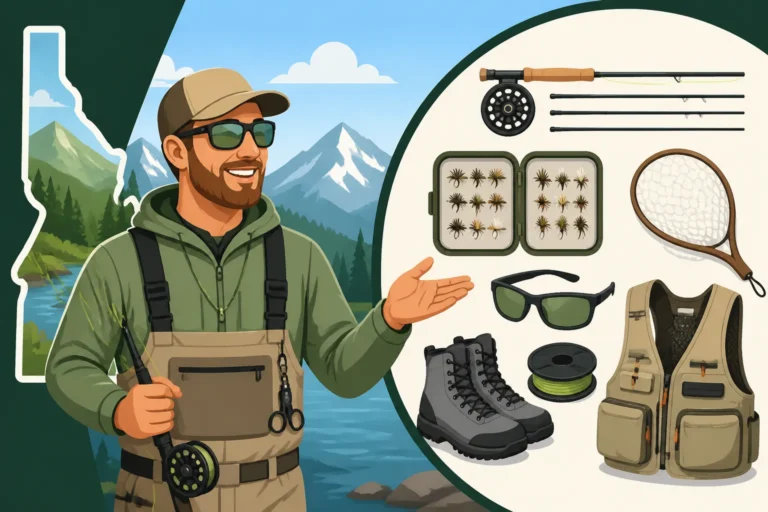
- Clothing Layers: This is paramount in Idaho. Temperatures can swing wildly, even in summer. Dress in layers, starting with a moisture-wicking base, then an insulating layer (fleece or down), and finally, a waterproof/windproof outer shell. Even on a sunny morning, a rain shower or a cool breeze can change conditions quickly. You'll want to be ready for anything, from What to Wear Fishing Idaho Rivers in Early Spring to a sweltering summer day.
- Waders and Wading Boots: If you're planning on wading, you'll need these. Ensure they fit well and don't leak. If you don't own them, ask your outfitter if they have rentals or can recommend a local shop.
- Hat and Polarized Sunglasses: A wide-brimmed hat protects your face and neck from the sun. Polarized sunglasses are absolutely essential for fly fishing. They cut the glare off the water, allowing you to see submerged structure, detect subtle takes, and even spot fish. This is especially true on the clear waters of the Henry's Fork.
- Sunscreen and Lip Balm: High elevation and reflective water mean you'll get a lot of sun exposure. Apply sunscreen generously and often.
- Insect Repellent: Depending on the time of year, mosquitoes and other biting insects can be present.
- Camera: Capture those memories! Just make sure it's waterproof or in a waterproof case.
- Snacks and Water: While full-day trips often include lunch, it's always a good idea to bring extra snacks and plenty of water, especially if you have specific preferences or dietary needs.
- Cash for Gratuity: Don't forget this!
Pack a small dry bag or backpack for your personal items to keep them protected from water and easily accessible.
The Realities of Costs and Showing Appreciation (Tipping)
Understanding the financial aspect of your guided trip means knowing both the upfront cost and the customary way to show appreciation for a job well done.
- Outfitter Costs: The cost for Henry's Fork fishing guides can vary based on the duration (half-day vs. full-day), whether it's a wade trip or drift boat, and the outfitter's reputation. Typically, you'll pay the outfitter directly for the trip fee. They will often collect payment in advance or require a deposit. Make sure you're clear on the payment schedule and any cancellation policies. Be aware that Idaho Fishing Guide Cost Guide can fluctuate, so always check with the individual outfitter.
- Tipping Etiquette: This is a crucial part of the guide-client relationship and often overlooked by first-timers. Guides work incredibly hard – not just on the water but behind the scenes with boat maintenance, gear prep, scouting, and cleaning up. A tip is a direct reflection of your appreciation for their effort, knowledge, and service.
- Standard Tip: The general guideline for a good fishing guide is 15-20% of the trip's total cost. For an exceptional experience, some clients will tip more.
- When to Tip: It's customary to give the tip directly to your guide at the end of the day. Cash is usually preferred.
- Consideration: Even if the fishing was slow (which can happen on the Henry's Fork, regardless of guide effort), if your guide worked hard, provided excellent instruction, was personable, and did everything they could to make your day enjoyable, a good tip is still warranted. Their effort and professionalism are what you're tipping for, not just the number of fish caught.
By being well-prepared and understanding the etiquette, you're not just ensuring a smooth trip for yourself, but you're also showing respect for the hard work and dedication of your Henry's Fork outfitter and guide. Here's to tight lines on the famous Henry's Fork!
Disclaimer
This article is for general informational purposes only and does not constitute professional advice. Laws, prices and regulations vary by location and change over time. Consult a qualified professional for guidance on your specific situation.