Idaho Fishing License Cost Guide
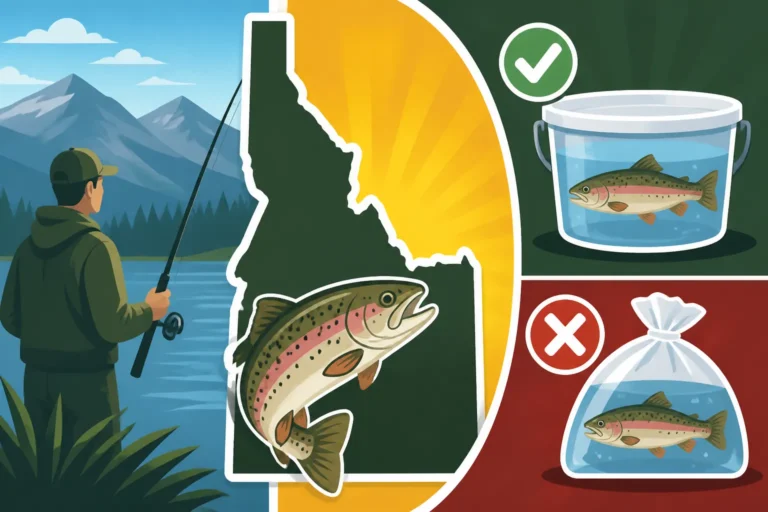
Figuring out the exact cost of an Idaho fishing license can feel like navigating a maze, especially with all the different options, permits, and age-specific rules. Many anglers, both residents and visitors, find themselves scratching their heads trying to decipher which license they actually need and how much it will truly set them back. This comprehensive guide is here to break down every aspect of Idaho's fishing license costs, ensuring you understand exactly what you're paying for and why.
The Foundations of Idaho Fishing License Costs
It's easy to look at a price tag and wonder why something costs what it does, and fishing licenses are no exception. For many, it's just another expense, but understanding the philosophy behind these costs can actually make the whole process feel a bit more palatable.
Why Licenses Cost Money and Why It's Worth It
When you purchase an Idaho fishing license, you're not just buying a piece of paper that grants you permission to cast a line. You're actually investing directly into the future of Idaho's incredible fisheries. Every dollar collected from license sales goes right back into conservation efforts, habitat restoration, fish stocking programs, and the enforcement of vital regulations that protect our aquatic resources. Think about the vibrant populations of trout in the Boise River, the impressive steelhead runs on the Clearwater, or the massive sturgeon lurking in the Snake River – these aren't sustained by magic. They require active management, scientific research, and dedicated personnel.
For instance, the Idaho Department of Fish and Game (IDFG) uses these funds to operate hatcheries that supplement fish populations, ensuring there are plenty of fish for everyone to enjoy. They also fund crucial research to monitor fish health, assess population sizes, and protect endangered species. Without these funds, the quality and accessibility of Idaho's fishing opportunities would rapidly decline. So, while it's an upfront cost, it's a direct contribution to preserving the very experience you cherish. It's truly a "pay it forward" system that benefits every angler.
Factors Influencing Your License Price
The cost of an Idaho fishing license isn't a one-size-fits-all number. Several key factors play a significant role in determining how much you'll end up paying. The most obvious, of course, is whether you're an Idaho resident or an out-of-state visitor. Nonresident licenses are invariably more expensive, reflecting the resident taxpayer contributions to state resources. Beyond residency, the duration of your license is critical – are you looking for a full year of fishing, or just a quick day trip? Annual licenses offer the most value for frequent anglers, while short-term options cater to those on vacation or just testing the waters.
Then there's your age. Idaho offers special pricing for youths and seniors, acknowledging that these demographics might have different financial considerations or are part of programs designed to encourage participation. Lastly, the specific species you plan to target can influence your cost. Want to chase those prized steelhead or Chinook salmon? You'll need additional permits or stamps on top of your base license. It’s not just about getting permission to fish, but permission to pursue specific, often highly managed, species. This layered approach ensures that the more resource-intensive fisheries receive dedicated funding.
Understanding the Different License Categories
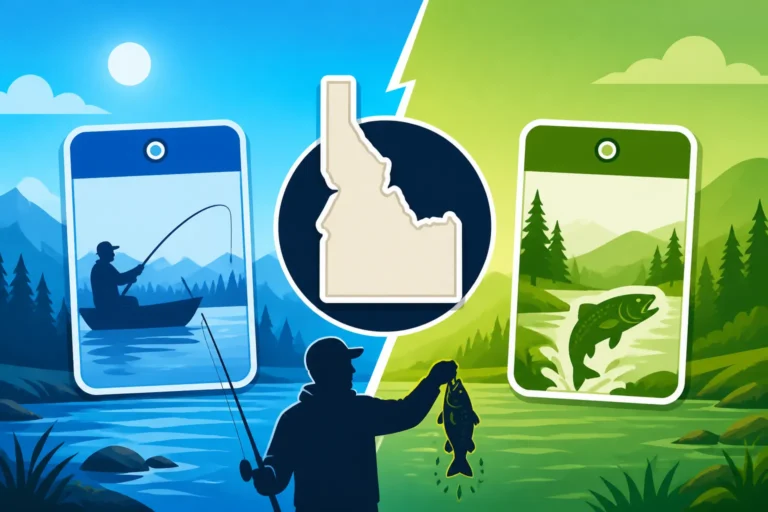
To simplify things, Idaho's fishing licenses broadly fall into a few main categories, each designed to fit different needs and situations. First, you have the general annual fishing license, which is valid for a full calendar year (from the date of purchase, or sometimes from January 1st to December 31st, depending on how you purchase it and the current year's rules, so always double-check the IDFG website for specifics). These are the most common choice for dedicated anglers.
Second, there are short-term licenses, like the one-day or three-day options, perfect for tourists or locals planning a spontaneous weekend trip. These are usually a bit more expensive per day but offer flexibility. Third, Idaho has combination licenses which bundle fishing with hunting privileges, often at a reduced total cost compared to buying them separately. This is a fantastic deal for those who enjoy both pursuits.
Finally, you'll encounter specialty permits and stamps. These aren't standalone licenses but rather add-ons to your base fishing license, required for specific, high-value fisheries such as those for anadromous species like steelhead and salmon. Understanding these categories is the first step in knowing which Idaho Fishing License Guide applies most to your situation.
Resident vs. Nonresident License Pricing
This is where many people start to feel the pinch, especially if they're visiting from out of state. Idaho, like most states, differentiates heavily between residents and nonresidents when it comes to fishing license costs. It’s a pretty standard practice, designed to ensure that those who contribute to the state’s tax base and ongoing conservation efforts receive a benefit in return.
Idaho Resident Annual Fishing License Cost Breakdown
For those of us lucky enough to call Idaho home, an annual fishing license is usually the most economical choice if you plan to fish more than a few days a year. The basic resident annual fishing license provides you with year-round access to most of Idaho's incredible fisheries for common species like trout, bass, and panfish. As of the most recent information, an adult resident annual fishing license typically runs around the low-to-mid $30 range. This price includes the basic fishing privilege and helps support the IDFG's general operations.
However, it's important to remember that this base price doesn't cover everything. If you plan to fish for steelhead or Chinook salmon, you'll need to add a specific permit for those species. Additionally, there’s an Access and Depredation Fee that is often added to your license purchase, which contributes to land access programs and helps manage wildlife depredation issues. So, while the base license is quite affordable, your final total might be a little higher once you factor in these necessary additions. A typical resident looking to fish regularly and maybe chase a few steelhead will likely pay in the $50-$70 range for their complete package. This still represents incredible value for a full year of access to some of the best fishing in the country.
Idaho Nonresident Annual Fishing License Cost Breakdown
Now, for our friends visiting from out of state, the cost structure is a bit different, and admittedly, higher. The Idaho Nonresident Fishing License Guide explains that an adult nonresident annual fishing license usually sits in the high $90 to low $100 range. This significant difference reflects the fact that nonresidents don't contribute to Idaho's tax base in the same way residents do, yet they still benefit from the state's managed resources.
Just like with resident licenses, the base nonresident annual license provides general fishing privileges for most species. But if you're coming to Idaho specifically for those bucket-list steelhead or salmon runs, you'll absolutely need to factor in the additional permits. These permits, such as the Idaho Salmon and Steelhead Permit, are also more expensive for nonresidents. When you combine the base annual license, the Access and Depredation Fee, and a couple of specialty permits, a nonresident planning a full year of diverse fishing could easily be looking at a total cost well over $150. It’s a chunk of change, for sure, but many find it a worthwhile investment given the unparalleled fishing experiences Idaho offers. You can find all the details to plan your visit in the comprehensive Idaho Nonresident Fishing License Guide.
The Big Picture: Resident vs Nonresident License Price Difference
Let's put this into perspective with a simple comparison. Imagine two anglers, both planning to fish regularly for an entire year, including targeting steelhead.
-
Idaho Resident Angler:
- Annual Fishing License: ~$35
- Access & Depredation Fee: ~$5
- Salmon/Steelhead Permit: ~$15
- Total Estimated Cost: ~$55
-
Nonresident Angler:
- Annual Fishing License: ~$100
- Access & Depredation Fee: ~$10
- Salmon/Steelhead Permit: ~$30
- Total Estimated Cost: ~$140
As you can see, the difference is substantial, often more than double for nonresidents when all the necessary permits are included. This pricing model isn't unique to Idaho; it's a common approach across states to help balance the funding burden. While it might sting a bit for out-of-staters, it's the cost of enjoying the incredible resources that residents help maintain through their taxes and license fees. It’s designed to be equitable, even if the numbers look steep to those unfamiliar with the system.
Short-Term and Specialty License Options
Not everyone needs or wants an annual license, and Idaho understands that. For those shorter trips or specific fishing goals, there are targeted options that can be incredibly convenient, even if they sometimes feel a bit pricier per day.
Idaho One-Day Fishing License: Is It Worth It?
If you're just passing through, testing the waters, or joining a friend for a single day of fishing, the Idaho One-Day Fishing License is your go-to. For residents, this license typically costs around $15. For nonresidents, expect to pay closer to $25-$30 for a single day. This might seem steep when you compare it to the annual license, especially for nonresidents. However, consider the alternative: buying an annual license for just one day of fishing would be far more expensive.
The real value here is flexibility. You can decide on a whim to go fishing, buy your license quickly online or at a local vendor, and be on the water within minutes. It's perfect for a quick stop at Lake Coeur d'Alene, a few hours on the Boise River, or a leisurely afternoon casting lines on a small pond. Is it "worth it?" Absolutely, if you're truly only fishing for a day or two and don't plan on making it a regular habit within the year. It simplifies the process and allows casual anglers to participate without a major financial commitment.
Cost of an Extra Day Added to an Idaho Fishing License
What if your one-day trip stretches into two, or even three? Idaho offers a convenient option to add extra days to your short-term license, which can often be more cost-effective than buying multiple individual one-day licenses. After purchasing an initial 1-day or 3-day license, you can typically add additional days for a reduced rate. For residents, an extra day might cost around $7-$10. Nonresidents can expect to pay $10-$15 for each additional day.
This incremental cost structure makes it much easier to extend a spontaneous fishing trip without overspending. For example, if you bought a one-day nonresident license for $25 and then decided you wanted to fish for a second day, adding that day for $15 would bring your total to $40 for two days, which is usually cheaper than buying two separate one-day licenses. This system is designed for flexibility and to encourage longer visits without punishing anglers for enjoying the state’s waters a little longer than planned. It's a thoughtful feature that many visiting anglers appreciate.
Understanding Idaho Fishing Permits and Stamps Explained
Beyond the base fishing license, Idaho requires special permits or stamps for specific species, mainly for anadromous fish like steelhead and Chinook salmon. These species are highly managed, often returning from the ocean to spawn, and their populations require significant conservation efforts. Therefore, the revenue from these permits directly supports those programs. The Idaho Fishing Permits and Stamps Explained article goes into greater detail, but here's the gist:
- Steelhead Permit: This is a must-have if you plan to target steelhead, whether on the legendary Clearwater River or the famed Salmon River. The cost for a resident is typically around $15-$20, while nonresidents will pay closer to $30-$35.
- Salmon Permit: Similar to the steelhead permit, this is required for Chinook salmon, which are found in specific waters during certain seasons. Resident costs are usually in the $10-$15 range, with nonresidents paying $25-$30.
It's crucial to understand that these permits are in addition to your base fishing license. You cannot buy a steelhead permit without first having a valid Idaho fishing license. These permits often come with a catch record card, which is another vital tool for IDFG to monitor harvest numbers and manage fish populations effectively. Always check the current Idaho Fishing Regulations Explained brochure for precise dates and rules regarding these valuable fisheries.
Age-Based Discounts and Exemptions
Idaho is pretty good about making fishing accessible, and that includes special provisions for younger and older anglers. It's not just about getting people on the water; it's about encouraging a lifelong passion for the sport.
Idaho Youth Fishing License Rules and Costs
Idaho has some great news for young anglers: kids don't need a fishing license until they turn 14! This is a fantastic way to introduce children to the joys of fishing without an immediate financial barrier for parents. Once a child reaches 14 years of age, they are required to purchase a license. The Idaho Youth Fishing License Rules outlines this in detail.
For young residents aged 14 to 17, an annual junior fishing license is available at a significantly reduced cost, typically around $16-$20. This allows them to fish legally for an entire year. Nonresident youth in the same age bracket will pay a bit more, but it’s still much less than an adult nonresident license. This approach encourages teenagers to continue fishing as they grow, maintaining that connection to nature and the outdoors. It's a small investment for a year of potential memories. Always confirm the exact age cutoffs and current prices with the IDFG, as rules can occasionally be updated.
Idaho Senior Fishing License Discount: Who Qualifies?
Idaho also extends a warm welcome to its senior residents with a discounted fishing license. To qualify for the Idaho Senior Fishing License Discount, you must be an Idaho resident and 65 years of age or older. This discounted annual license is remarkably affordable, usually costing just a few dollars, often in the $10-$15 range, including the Access and Depredation Fee. This is a tremendous benefit, recognizing seniors' contributions to the state and ensuring they can continue to enjoy Idaho's beautiful waters without financial strain.
It's important to remember that these senior discounts are only for Idaho residents. Nonresident seniors, while certainly welcome to fish, will need to purchase standard nonresident licenses or short-term options at the regular prices for their category. This resident-specific discount highlights the state's appreciation for its long-standing community members and their role in the state's heritage.
Do Kids Need a Fishing License in Idaho?
This is a common question parents ask, especially when planning a family outing. The simple answer is: no, not initially. In Idaho, children under the age of 14 do not need a fishing license. This is a wonderful policy that makes it incredibly easy and affordable to get youngsters hooked on fishing. You can take your little ones to any public fishing spot, hand them a rod, and let them experience the thrill of a bite without worrying about paperwork or fees.
However, once a child turns 14, they are officially required to have their own fishing license. As discussed earlier, there's a special junior license available for residents aged 14-17 at a reduced rate. For nonresidents, the youth rates also apply in this age bracket. So, for those memorable first few years, just grab a pole and some bait, but keep an eye on that birthday calendar!
Do Seniors Need a Fishing License in Idaho?
Another frequent question, especially from retirees, is about senior exemptions. In Idaho, seniors DO need a fishing license, but if they are Idaho residents and 65 years or older, they qualify for a significantly discounted annual license. There isn't an outright exemption where they fish for free indefinitely, but the cost is very minimal.
The logic here is similar to that for general residents – everyone contributes to the management of the fishery resources. However, the state recognizes the fixed incomes and long-term residency of its seniors by offering a substantial discount. So, if you're an Idaho resident and have celebrated your 65th birthday, congratulations – you get to enjoy the state's waters for a bargain price, just make sure to grab that senior discount license!
Additional Fees and Permits You Might Encounter
Just when you think you've got the base license figured out, Idaho throws a few more specialized fees and permits into the mix. Don't worry, they're not there to confuse you, but rather to ensure that specific, often high-demand, fisheries are adequately funded and managed.
Idaho Salmon and Steelhead Permit Cost: A Deep Dive
We touched on this briefly, but it's worth a closer look because these permits are non-negotiable if you're targeting Idaho's famed anadromous species. The Idaho Salmon and Steelhead Permit is a separate stamp or endorsement that you add to your base fishing license. It's not a standalone license. This permit is required for anyone fishing for or possessing steelhead or Chinook salmon.
The cost for a resident is typically around $15-$20, while nonresidents will pay about $30-$35. These fees are critical because these fish travel vast distances from the ocean, navigating dams and rivers, and their populations are closely monitored and managed through hatchery programs and habitat work. The permit revenue directly fuels these efforts. When you buy this permit, you'll also receive a catch record card. This card is vital; you must punch out the date and river section immediately upon retaining a steelhead or salmon. This data helps the IDFG manage harvest and ensure sustainable fishing for future generations. Losing or failing to fill out this card can lead to fines, so treat it with the seriousness it deserves.
Idaho Access and Depredation Fee Explained
This is another common add-on that often pops up during your license purchase. The Idaho Access and Depredation Fee is a mandatory fee charged to most fishing and hunting license buyers. It typically adds around $5 to a resident annual license and about $10 to a nonresident annual license. This fee isn't just arbitrary; it serves two very important purposes:
- Access Enhancement: A significant portion of this fund goes towards securing and maintaining public access to prime hunting and fishing lands and waters. This means funding for boat ramps, parking areas, trails, and agreements with private landowners to allow public passage. This helps ensure that Idaho's incredible outdoor resources remain accessible to everyone.
- Depredation Control: The other portion of the fee addresses wildlife depredation issues. This involves managing situations where wildlife (like elk, deer, or bears) cause damage to private property, crops, or livestock. These funds help the IDFG mitigate these conflicts, often through fencing projects, hazing, or compensation programs, reducing negative interactions between wildlife and landowners.
So, while it's an extra charge, the Idaho Access and Depredation Fee Explained provides tangible benefits, ensuring you have places to fish and helping maintain good relationships with private landowners whose properties often border prime fishing waters.
Other Potential Permits and Stamps
While the Salmon and Steelhead permits are the most common, there are other, less frequently encountered permits or options you might consider or run into:
- Two-Pole Validation: For anglers who want to fish with two rods simultaneously, Idaho offers a "Two-Pole Validation." This is an add-on to your regular fishing license and typically costs around $15 for residents and $20 for nonresidents. This can be particularly useful when fishing still waters like reservoirs or lakes for species like kokanee or perch, where having a second line out can significantly increase your chances of success. It's not always allowed in all waters or for all species, so always check the specific regulations for your chosen fishing spot in the Idaho Fishing Regulations Explained booklet.
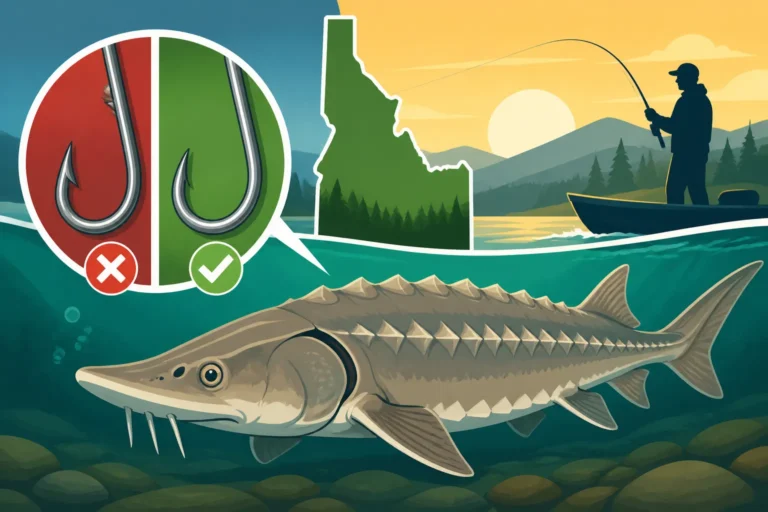
- Sturgeon Harvest Tag (Rare): While most sturgeon fishing in Idaho is strictly catch-and-release, there are extremely rare and highly regulated opportunities for sturgeon harvest on specific waters, usually through a lottery system and a very limited number of tags. These are not generally available to the public for regular purchase, but they do exist in very specific contexts. For most anglers, Idaho Sturgeon Fishing Rules will confirm that fishing for these prehistoric giants is a catch-and-release-only endeavor requiring no harvest tag beyond your base fishing license.
These additional stamps and validations ensure that specialized fishing activities are managed effectively and that the resources supporting them receive dedicated funding. It's all part of the IDFG's holistic approach to managing Idaho's diverse aquatic ecosystems.
Combination Licenses and Other Unique Situations
Idaho offers some clever ways to bundle your outdoor adventures, and addresses a few niche questions that often pop up regarding license requirements.
Idaho Combination Hunting and Fishing License Cost Analysis
For the true Idaho outdoor enthusiast who loves both chasing big game in the fall and reeling in trout in the spring, the Idaho Combination Hunting and Fishing License is often the smartest financial move. Instead of buying a general hunting license and a general fishing license separately, you can purchase a "combo" license that covers both activities. This typically results in a noticeable cost saving compared to purchasing each license individually.
For an adult resident, a combination license might cost around $40-$50, which is usually less than the sum of an individual hunting and fishing license. Nonresidents also have combination options, though their prices will remain significantly higher, likely in the $200-$300 range when including tags for specific big game species. This consolidated license also simplifies record-keeping and ensures you're covered for both activities with one purchase. It's a fantastic value proposition for multi-sport outdoorsmen and women, as detailed in the Idaho Combination Hunting and Fishing License guide.
Cheapest Way to Fish in Idaho for a Weekend
If you're looking for the absolute most budget-friendly way to enjoy a weekend of fishing in Idaho, especially if you're a nonresident, you'll want to strategize. For residents, simply buying a resident annual fishing license is almost always the best value if you plan to fish more than a handful of times. For a single weekend, a 3-day license might be slightly cheaper than the annual, but the annual covers you for 365 days.
For nonresidents, it's a bit different. The Cheapest Way to Fish in Idaho for a Weekend often involves purchasing a 3-day nonresident fishing license and carefully considering if you really need any additional permits like those for salmon or steelhead. A 3-day nonresident license usually costs around $35-$40. If you add a steelhead permit, that's another $30-$35.
Consider this hypothetical:
- Option 1 (Nonresident 3-Day Basic): Just the 3-day license, maybe $40. You can target trout, bass, perch, etc.
- Option 2 (Nonresident 3-Day + Steelhead): 3-day license ($40) + Steelhead permit ($35) = $75. You can now target steelhead.
If you don't plan on targeting anadromous species, sticking to the basic 3-day license for general fishing will be your cheapest route. Also, keep an eye out for Idaho Free Fishing Day, which usually occurs in June. On this day, you can fish without any license or permits, making it the absolute cheapest (free!) way to get on the water, though it's only one specific day of the year.
Do You Need a License to Fish on Private Property in Idaho?
This is a really important question that often trips people up. The general rule of thumb across most states, including Idaho, is that yes, you absolutely need a fishing license even if you are fishing on private property. The logic here is that while the land itself is private, the fish in the waters that flow through or reside on that property (lakes, rivers, ponds, etc.) are generally considered a public resource, managed by the state.
There's usually one major exception: private ponds that are entirely self-contained and have no inlet or outlet connection to public waters, and which are stocked by the landowner with privately purchased fish. In these very specific scenarios, a license might not be required. However, proving this can be tricky, and it's always safer to assume a license is needed unless you are 100% certain of the criteria. For most situations, whether you're fishing your friend's backyard pond that's fed by a stream or casting into a river that flows through private land, you'll need that Idaho fishing license. It's about protecting the state's fishery resources as a whole, not just public access points.
Where and How to Purchase Your License
You've done the hard work of figuring out what you need; now comes the easy part: actually getting it! Idaho has made purchasing a fishing license incredibly convenient, offering several options to suit everyone's preferences.
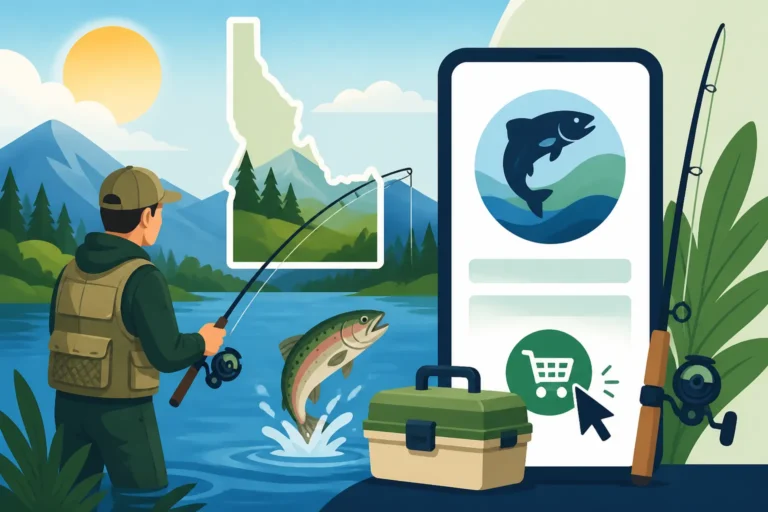
How to Buy an Idaho Fishing License Online
In this digital age, buying your Idaho fishing license online is by far the most popular and often the easiest method. The Idaho Department of Fish and Game (IDFG) operates a user-friendly online licensing system on its website. The process is straightforward:
- Visit the IDFG Licensing Page: Go directly to the official IDFG website and look for the "Licenses & Permits" section.
- Create/Log In to Your Account: If you're a returning customer, simply log in with your existing credentials. First-time buyers will need to create a new customer profile, which involves providing basic personal information like your name, address, date of birth, and possibly a driver's license number.
- Select Your License Type: Browse the available options and select the specific resident or nonresident fishing license (annual, 1-day, 3-day, etc.), as well as any necessary permits like the Salmon or Steelhead permit.
- Add to Cart and Checkout: Review your selections, add them to your cart, and proceed to the secure checkout page. You'll typically pay with a credit or debit card.
- Print or Save Your License: Once the purchase is complete, you'll usually receive an immediate confirmation email with a link to your digital license. You can print this out at home, or save a digital copy to your smartphone. Idaho law generally allows you to carry a digital image of your license, but it's always smart to have a physical copy or at least ensure your phone is charged!
Buying online means no driving, no waiting in line, and you can do it anytime, day or night. It's truly the most efficient way, as described in How to Buy an Idaho Fishing License Online.
How to Buy an Idaho Fishing License at a Sporting Goods Store
For those who prefer a more traditional approach, or simply need to pick up some last-minute bait and tackle anyway, buying your license in person at a sporting goods store is still a widely available option. Many authorized vendors throughout Idaho sell fishing licenses. These typically include:
- Large Retailers: Stores like Amazon partners, such as Cabela's, Bass Pro Shops, or even Walmart in some locations, often have dedicated hunting and fishing departments where you can purchase licenses. These larger stores are usually well-equipped and can handle a variety of transactions.
- Local Bait and Tackle Shops: These smaller, often family-run shops are fantastic resources. Not only can you buy your license, but the staff are usually avid local anglers themselves and can offer invaluable, up-to-the-minute fishing reports, bait recommendations, and local insights. This is often my preferred method when I'm in a new area.
- Idaho Fish and Game Offices: You can also purchase licenses directly from any IDFG regional office during business hours. While less convenient for many, it guarantees you're getting the official word straight from the source.
When buying in person, you'll need to bring a valid form of identification (like a driver's license) and be prepared to provide the same personal information as you would online. The vendor will print your official license right there for you.
Tips for Avoiding Common Purchasing Pitfalls
Buying a fishing license should be simple, but a few common mistakes can cause headaches. Here's how to avoid them:
- Verify Residency: If you're claiming Idaho residency, make sure you genuinely meet the IDFG's criteria. These typically include having lived in Idaho for at least six consecutive months and holding an Idaho driver's license or state ID. Misrepresenting residency can lead to significant fines and penalties.
- Check Dates and Seasons: Always double-check the validity period of your license, especially if you're buying a short-term option or if the year is ending. An annual license often runs from January 1 to December 31, regardless of when you buy it, so purchasing in December means you're only getting a few weeks' use. Make sure you understand Idaho Fishing Season Dates and Limits.
- Don't Forget Permits: This is a big one. Many anglers purchase a base fishing license and forget about the separate Salmon or Steelhead permits. If you plan to target these species, ensure you add the correct endorsements before you hit the water. It’s far easier to buy them upfront than to realize your mistake mid-trip and risk a citation.
- Keep Your License Accessible: Whether digital or physical, always have your license readily available when you're fishing. Wildlife officers can and do check licenses, and not having proof can lead to fines. Make sure your phone is charged if you're relying on a digital copy!
- Beware of Third-Party Sites: Stick to the official IDFG website or authorized vendors. Be cautious of unofficial third-party websites that might charge inflated fees or provide invalid licenses. If in doubt, look for the official IDFG logo and website address (idfg.idaho.gov).
Maximizing Value and Understanding Validity
Getting your license is one thing; understanding its lifespan and what happens if things go wrong is another. Being informed helps you make the most of your purchase and avoid unnecessary trouble.
How Long an Idaho Annual Fishing License Stays Valid
When you purchase an annual Idaho fishing license, it's generally valid from the date of purchase (or January 1st, depending on the current year's system, always verify on the IDFG site) through December 31st of that calendar year. This means if you buy an annual license in March, it's valid until December 31st of the same year. If you buy it in November, it's still only valid until December 31st. This is a common structure in many states, so it's not unique to Idaho.
This calendar year validity is important when considering purchasing an annual license late in the season. If it's late fall and you only plan a couple more trips before the new year, a short-term license might actually be more economical than buying a full annual license that will expire in a month or two. However, if you're an avid angler, an annual license offers the best value per day of fishing. Always plan your purchase around your anticipated fishing activity to get the most bang for your buck.
Can You Get a Refund on an Unused Idaho Fishing License?
Unfortunately, in most cases, once you've purchased an Idaho fishing license, it is non-refundable and non-transferable. This is standard policy for state wildlife agencies. Licenses are typically considered a final sale, as the revenue immediately goes towards funding critical conservation and management programs. This means if your plans change, you get sick, or the weather turns bad and you can't use your license, you generally won't be able to get your money back.
There might be extremely rare exceptions in cases of clerical errors or if a specific program is unexpectedly canceled, but these are handled on a case-by-case basis directly by the IDFG and are not guaranteed. The best practice is to be certain of your fishing plans before making the purchase, especially for annual or multi-day licenses. This also applies to any permits or stamps you add; they are usually non-refundable as well.
What Happens If You Fish in Idaho Without a License?
This is a scenario no one wants to find themselves in, but it's crucial to understand the repercussions. Fishing in Idaho without a valid license is a serious offense, and if caught, you can expect to face significant penalties. Conservation officers regularly patrol Idaho's rivers, lakes, and reservoirs, and they are empowered to check for licenses.
The consequences for fishing without a license can include:
- Fines: You'll almost certainly be issued a citation with a monetary fine. These fines can range from several hundred dollars, far exceeding the cost of a license itself.
- Confiscation of Gear: In some cases, your fishing gear (rods, reels, tackle) might be confiscated.
- Loss of Privileges: Depending on the severity and whether it's a repeat offense, you could face the suspension of your fishing (and potentially hunting) privileges for a period of time, not just in Idaho but potentially in other states as well through interstate compacts.
- Additional Charges: If you're also found to be exceeding bag limits, fishing during a closed season, or using illegal methods, those will be separate, additional charges with their own penalties.
It’s simply not worth the risk. Always ensure you have the correct, valid license and any necessary permits before you cast a line. The What Happens If You Fish in Idaho Without a License? guide provides a more detailed look at the legal consequences.
| License Type | Resident Annual Est. Cost | Nonresident Annual Est. Cost | Resident 1-Day Est. Cost | Nonresident 1-Day Est. Cost | Key Feature / Notes |
|---|---|---|---|---|---|
| General Fishing | $30-$35 | $90-$100 | $15 | $25-$30 | Basic fishing privilege for most species. |
| Youth (14-17) Fishing | $16-$20 | $20-$25 | N/A | N/A | Reduced rates for young anglers. |
| Senior (65+) Fishing | $10-$15 | N/A | N/A | N/A | Discounted for Idaho resident seniors only. |
| Access & Depredation Fee | +$5 | +$10 | Usually included | Usually included | Mandatory fee for land access & wildlife management. |
| Salmon Permit (add-on) | +$10-$15 | +$25-$30 | +$10-$15 | +$25-$30 | Required for Chinook salmon. |
| Steelhead Permit (add-on) | +$15-$20 | +$30-$35 | +$15-$20 | +$30-$35 | Required for steelhead. |
| Two-Pole Validation (add-on) | +$15 | +$20 | +$15 | +$20 | Allows fishing with two rods. |
| Combination Hunt/Fish | $40-$50 | $200-$300 (w/o tags) | N/A | N/A | Savings for dual-sport enthusiasts. |
Note: All costs are estimated and subject to change by the Idaho Department of Fish and Game. Always check the official IDFG website or local vendors for the most current pricing.
Disclaimer
Please be aware that fishing regulations, license costs, and permit requirements are subject to change by the Idaho Department of Fish and Game. While we strive to provide the most accurate and up-to-date information, it is always your responsibility to consult the official IDFG website or the latest Idaho Fishing Regulation brochure before engaging in any fishing activities. This guide is for informational purposes only and should not be considered legal advice.