How a Rainbow Trout Becomes a Steelhead
It's incredibly common for anglers, both newcomers and seasoned veterans alike, to get a little tangled up when talking about rainbow trout and steelhead. Are they two completely different fish? Or is there a deeper connection? If you've ever found yourself wondering about the fascinating transformation some rainbow trout undergo, especially here in the beautiful rivers of Idaho, you're in the right place. This guide is going to untangle that mystery, explaining how a seemingly ordinary rainbow trout can become the magnificent steelhead we all dream of catching.
Understanding the Idaho Rainbow Trout
Before we dive into the incredible journey, let's talk about the rainbow trout itself. Here in Idaho, rainbow trout are truly iconic. They're vibrant, feisty, and found in nearly every corner of our state, from high mountain lakes to rushing rivers. But not all rainbow trout are destined for the ocean.
The Basics of Rainbow Trout in Idaho
The rainbow trout, scientifically known as Oncorhynchus mykiss, is a freshwater fish native to the Pacific drainages of North America, including many of Idaho's pristine waters. These fish are known for their iridescent, silvery bodies, often with a distinctive red or pink band running along their sides, and a profusion of small black spots. Their diet is varied, encompassing insects, smaller fish, and crustaceans, which they opportunistically snatch up in rivers, streams, and lakes. Anglers absolutely adore rainbow trout for their strong fighting spirit and their widespread availability. You can find them in the Boise River just minutes from downtown, or deep in the backcountry of the Sawtooths. They thrive in cool, clean water, making Idaho's environment a perfect home.
When we talk about resident rainbow trout, we're typically referring to those that complete their entire life cycle within freshwater. They hatch from eggs, grow into juveniles, and mature into adults, all without ever seeing the salt. These fish might move within a river system, perhaps from a small tributary to a larger river, but they don't undertake the epic saltwater migration. They are an integral part of our freshwater ecosystems, providing countless hours of angling pleasure and a vital food source for other wildlife. Understanding the life of a typical resident rainbow helps to fully appreciate the dramatic shift that some of their brethren undertake.
Stocked vs. Wild Rainbows
Idaho is home to both wild, native populations of rainbow trout and extensively stocked fish. Wild rainbow trout are those that reproduce naturally in our streams and rivers. They are often more wary, perfectly adapted to their local environment, and generally command a deep respect from anglers. Preserving these wild populations is a key focus for conservation efforts, ensuring the genetic integrity and health of our river systems. Fishing for wild trout often requires more finesse and a deeper understanding of fish behavior and habitat.
On the other hand, stocked rainbow trout are raised in hatcheries and then released into various waters throughout the state to enhance fishing opportunities. These fish are a fantastic resource for families, beginners, and anyone looking for a more accessible fishing experience. They often grow quickly and are less particular about what they'll bite. Many of Idaho's popular fishing spots, especially urban ponds and accessible reservoirs, receive regular stockings. The distinction between wild and stocked fish isn't just academic; it can also affect regulations. For example, you might find different Idaho Trout Limits by Water depending on whether you're targeting wild or hatchery fish. Both contribute significantly to Idaho's vibrant fishing culture, but their origins and life experiences can be quite different.
The Journey to Becoming a Steelhead
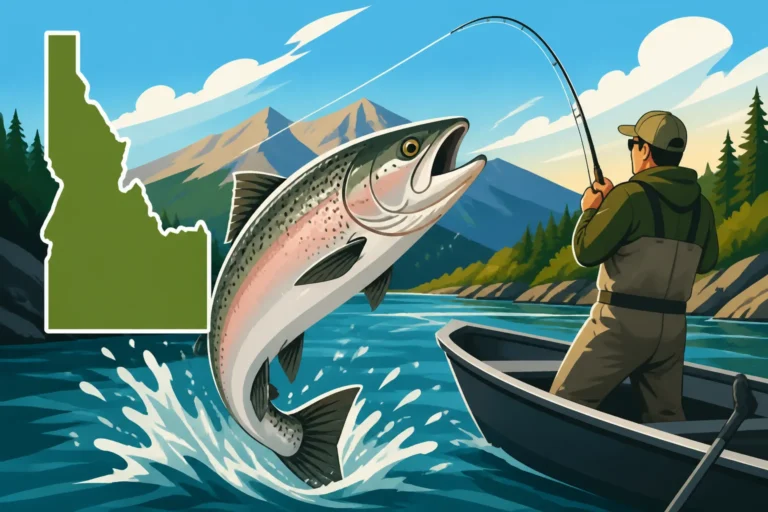
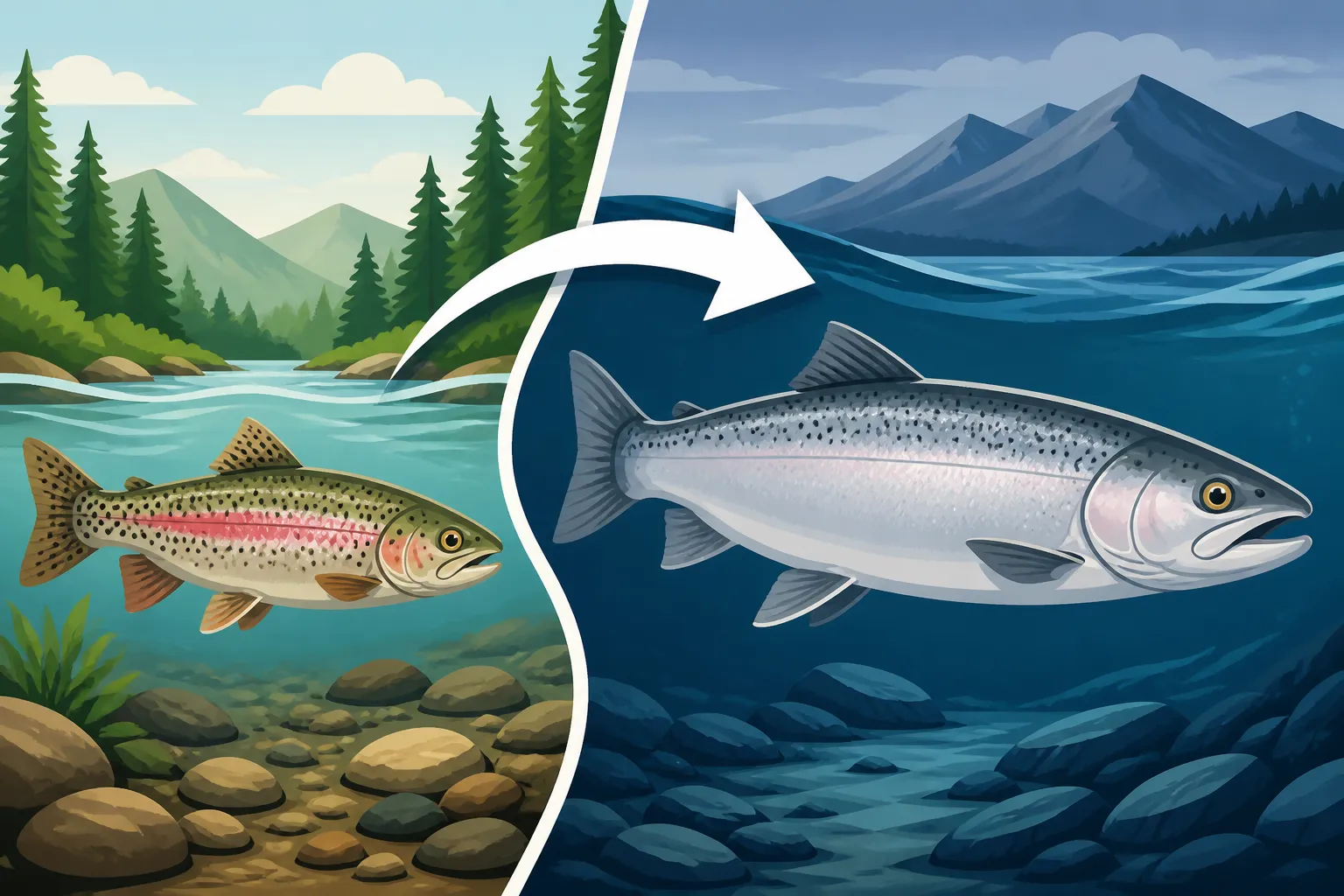
This is where the story gets really interesting! A steelhead is, genetically speaking, a rainbow trout. The key difference lies in its lifestyle. A steelhead is simply an anadromous rainbow trout – meaning it's a rainbow trout that has migrated from freshwater to the ocean, lived there for a period, and then returned to freshwater to spawn. It's a truly remarkable adaptation that allows these fish to grow to impressive sizes and develop incredible strength.
The Anadromous Lifestyle
"Anadromous" is a fancy scientific term that essentially means "running upstream." Anadromous fish are born in freshwater, migrate to the ocean to grow and mature, and then return to freshwater to reproduce. This migratory pattern is common among many salmon species, and steelhead share this incredible drive. The allure of the ocean for these specific rainbow trout is typically about growth. The marine environment offers an abundant food supply, allowing them to pack on pounds and reach sizes far exceeding their resident freshwater cousins. This access to a rich diet is what gives steelhead their legendary power and makes them such a prized catch for anglers across the Northwest, including in Idaho's famous steelhead rivers.
The decision for a rainbow trout to become anadromous isn't a random one; it's largely driven by genetics and environmental cues. Not every rainbow trout smoltifies and heads to sea. Some populations are entirely resident, while others have a strong anadromous component. This biological choice provides a significant advantage: larger fish produce more eggs, increasing the chances of successful reproduction. However, it also comes with immense risks, as the ocean and the long journey back are fraught with dangers. It’s a gamble, but one that has allowed these fish to thrive for millennia.
Smoltification: The Great Transformation
The actual process of becoming a steelhead begins with a critical physiological change called "smoltification." This isn't just about getting bigger; it's a complete overhaul of the fish's body to prepare it for saltwater survival. Young rainbow trout, typically one to three years old, undergo this transformation when they are still in freshwater. Their bodies become more streamlined, and their scales turn a distinct silvery color, which helps with camouflage in the open ocean. Internally, their gills and kidneys adjust to manage the drastic change in salinity. Freshwater fish struggle in saltwater because their bodies constantly try to shed excess water and retain salts. Smoltification reverses this, allowing them to conserve water and excrete excess salts.
Think of it like an astronaut preparing for space – a normal human can't just walk onto the moon. They need a specialized suit and extensive training to survive a completely different environment. Similarly, the rainbow trout needs to put on its "space suit" for the ocean. If a trout attempts to enter saltwater without fully completing smoltification, it won't survive. This delicate process is triggered by environmental factors such as increasing day length and water temperature, signaling that it's time to begin the downstream migration. It's a precise biological clock that must be timed perfectly for survival. Anglers keen on understanding these cycles often turn to resources, and sometimes specialized books on fish biology found on platforms like Amazon, to deepen their knowledge.
The Migration Downstream
Once smoltification is complete, the young steelhead, now called "smolts," begin their perilous journey downstream. They follow the currents, often traveling hundreds of miles from their natal streams in Idaho, through the Columbia River system, and eventually out into the vast Pacific Ocean. This migration is not a leisurely float; it's a dangerous passage. Smolts must evade predators like birds, larger fish, and even seals as they make their way towards the sea. Dams and other man-made obstacles also present significant challenges, though fish ladders and transportation systems have been implemented in many areas to assist their passage.
For Idaho steelhead, this journey is particularly epic. Our rivers, like the Salmon and Clearwater, are far inland, meaning the smolts have a very long distance to cover. They typically travel in schools, which offers some protection in numbers. The timing of this migration is crucial; they need to reach the ocean when conditions are favorable for feeding and survival. This downstream journey is the first major test of their anadromous life, and only the strongest and luckiest will make it to the open sea to grow into the powerful adults that will one day return.
Life in the Ocean as a Steelhead
Once they reach the Pacific, steelhead truly come into their own. The ocean is where they spend the majority of their adult lives, transforming from relatively small smolts into the formidable, torpedo-shaped fish that anglers revere.
Growth and Survival
In the rich feeding grounds of the Pacific Ocean, steelhead find an abundance of food – krill, squid, and smaller baitfish. This rich diet fuels rapid growth, allowing them to bulk up significantly. While a resident rainbow trout might reach a few pounds, a steelhead can easily tip the scales at 10, 15, or even 20+ pounds. This impressive size isn't just for show; it's crucial for their survival and reproductive success. Larger fish are generally better equipped to survive the rigors of the upstream migration and can produce more eggs when they eventually spawn.
However, ocean life is far from easy. Steelhead face constant threats from marine predators like sharks, seals, and larger fish. They also contend with changing ocean conditions, food availability, and commercial fisheries. Despite these challenges, those that survive grow strong, developing immense power and endurance that they will later rely on during their upstream return. The years spent in the ocean are a period of intense growth and maturation, preparing them for the ultimate challenge of reproducing in their home waters. It's a testament to their resilience that so many make it back.
Key Differences: Steelhead vs. Resident Rainbows
While genetically the same species, the distinct lifestyles of steelhead and resident rainbow trout lead to noticeable differences:
| Feature | Resident Rainbow Trout | Steelhead (Anadromous Rainbow Trout) |
|---|---|---|
| Habitat | Entire life in freshwater (rivers, lakes, streams) | Born freshwater, migrates to ocean, returns to freshwater |
| Appearance | Typically green/brown back, red/pink lateral stripe, spots | More silvery, streamlined, often fainter lateral stripe |
| Size | Generally smaller, often 1-5 lbs (can be larger in big lakes) | Significantly larger, commonly 5-20+ lbs (sometimes over 30 lbs) |
| Diet | Aquatic and terrestrial insects, small fish, crustaceans | Primarily ocean forage: krill, squid, baitfish |
| Fighting Style | Strong, acrobatic jumps, good runs | Exceptionally powerful, long runs, often deeper dives, incredible stamina |
| Spawning | Spawns once, then may survive to spawn again in freshwater | Spawns once, then may survive to spawn again (kelts, "repeat spawners") |
| Lifespan | Typically 2-7 years | Can live up to 11 years, with multiple spawning cycles possible |
Steelhead develop a sleek, silvery body that is perfectly adapted for ocean life and powerful swimming against strong currents. Their flesh, much like salmon, often takes on an orange or red hue due to their diet of crustaceans and other nutrient-rich ocean fare. Resident rainbow trout, while beautiful, tend to be darker, with a more pronounced red stripe, reflecting their freshwater diet and habitat. The sheer size and power difference is perhaps the most striking, making the pursuit of steelhead a distinct and often more challenging endeavor. Knowing these differences is key to identifying your catch, especially given varying regulations between species and between hatchery and wild fish. You might find more details on distinguishing them in an Idaho Steelhead Identification Guide.
The Return to Spawn
After one to four years feasting and growing in the ocean, the call of their home waters becomes undeniable. Steelhead turn their powerful bodies back towards the freshwater streams where they were born, embarking on one of the most incredible migrations in the animal kingdom. This journey is purely driven by the instinct to reproduce.
The Upstream Battle
The journey back to Idaho's rivers, like the Clearwater, Salmon, and Snake, is an epic undertaking. Steelhead must swim hundreds, sometimes over a thousand, miles upstream, battling powerful currents, overcoming natural barriers like rapids and waterfalls, and navigating man-made obstacles such as dams. They cease feeding once they enter freshwater, relying solely on the fat reserves they built up in the ocean. This means every ounce of energy is critical. This migration can take months, with fish often holding in deep pools and resting areas along the way.
This arduous journey tests their strength and endurance to the absolute limit. It's why they are known as such formidable fighters when hooked; every fiber of their being is conditioned for survival against overwhelming odds. For those of us who fish these rivers, seeing a steelhead, knowing the incredible odyssey it has completed, adds an extra layer of respect and awe to the experience. Understanding the challenges they face, from predation to river conditions, makes the success of their return all the more miraculous. Anglers often prepare for this specific challenge by stocking up on the right gear, and some find reliable sources for their tackle and durable waders through platforms like Amazon.
Spawning and Repeat Spawners
Once they reach their natal streams, usually smaller, gravel-bottomed tributaries, steelhead engage in the ancient ritual of spawning. The females, with the help of the males, excavate shallow nests called "redds" in the gravel, where they deposit their eggs. The males then fertilize the eggs. Unlike many Pacific salmon species that die shortly after spawning, steelhead have a unique ability: they can survive spawning and return to the ocean to feed and grow again, sometimes for multiple cycles. These fish are known as "kelts" or "repeat spawners."
This ability to spawn multiple times is a significant difference from Chinook or sockeye salmon and is a key reason for the resilience of steelhead populations. A fish that has spawned before often returns larger and even stronger, contributing even more genetic material to future generations. However, the journey takes its toll, and many do not survive to return to the ocean after their first spawning. Those that do are truly exceptional individuals. Knowing these nuances is important for anglers, particularly when understanding Idaho Catch Limits and Bag Limits Explained, as regulations often protect repeat spawners or wild fish, while allowing retention of hatchery-marked fish.
Why Not All Rainbow Trout Become Steelhead?
This is perhaps the most intriguing part of the steelhead story. If all steelhead are rainbow trout, why don't all rainbow trout become steelhead? The answer lies in a combination of genetic programming and the specific environmental conditions they encounter.
Genetic Predisposition
At the heart of it, the decision to migrate to the ocean is largely genetic. Within the broader Oncorhynchus mykiss species, there are distinct genetic lineages. Some rainbow trout populations are genetically programmed to be purely resident, meaning they never develop the physiological capabilities or the migratory urge to go to saltwater. Other populations, however, carry the genes for anadromy. These are the fish that have the potential to smoltify and become steelhead. It's a biological inheritance that dictates their life path.
Even within populations that have the genetic potential for anadromy, not every individual will make the journey. Think of it like a family where some members have a natural talent for music, but not all of them pursue a career in it. The genetic blueprint provides the potential, but other factors come into play. Researchers continue to study these genetic markers to better understand and conserve steelhead populations, as preserving genetic diversity is crucial for the long-term health of these incredible fish. This genetic understanding also helps differentiate them from other species, like the Difference Between Rainbow Trout and Steelhead from a biological perspective.
Environmental Factors and Barriers
Beyond genetics, environmental factors play a massive role in whether a rainbow trout becomes a steelhead. Ideal conditions for smoltification and successful migration include pristine freshwater habitats, unobstructed river passages, and healthy ocean ecosystems. Any disruption in this delicate balance can prevent a potential steelhead from completing its life cycle.
Consider the presence of dams without adequate fish passage. A young rainbow trout with the genetic predisposition to become a steelhead might find its downstream migration blocked, effectively trapping it in freshwater. Or, if water quality is poor, or food sources are scarce during the smoltification period, the fish might not develop correctly for saltwater survival. Climate change, which can alter water temperatures and river flows, also presents significant challenges. For instance, low water levels can expose smolts to increased predation or make passage over natural riffles and cascades impossible. Idaho Access and Depredation Fee Explained touches on some of the funding aimed at improving these environmental conditions and supporting fish populations. The health of our river systems and the integrity of the migration corridors are paramount to sustaining these magnificent anadromous fish.
It's a complex interplay of nature and nurture, of genetic destiny and environmental opportunity. While every steelhead is a rainbow trout, only a special subset of rainbow trout, blessed with the right genes and favorable conditions, will ever embark on the epic journey to become a steelhead. And that, my friends, is what makes them so extraordinary and cherished by anglers throughout Idaho and beyond.
Disclaimer
This article is for general informational purposes only and does not constitute professional advice. Laws, prices and regulations vary by location and change over time. Consult a qualified professional for guidance on your specific situation.