How Big Do Chinook Salmon Get
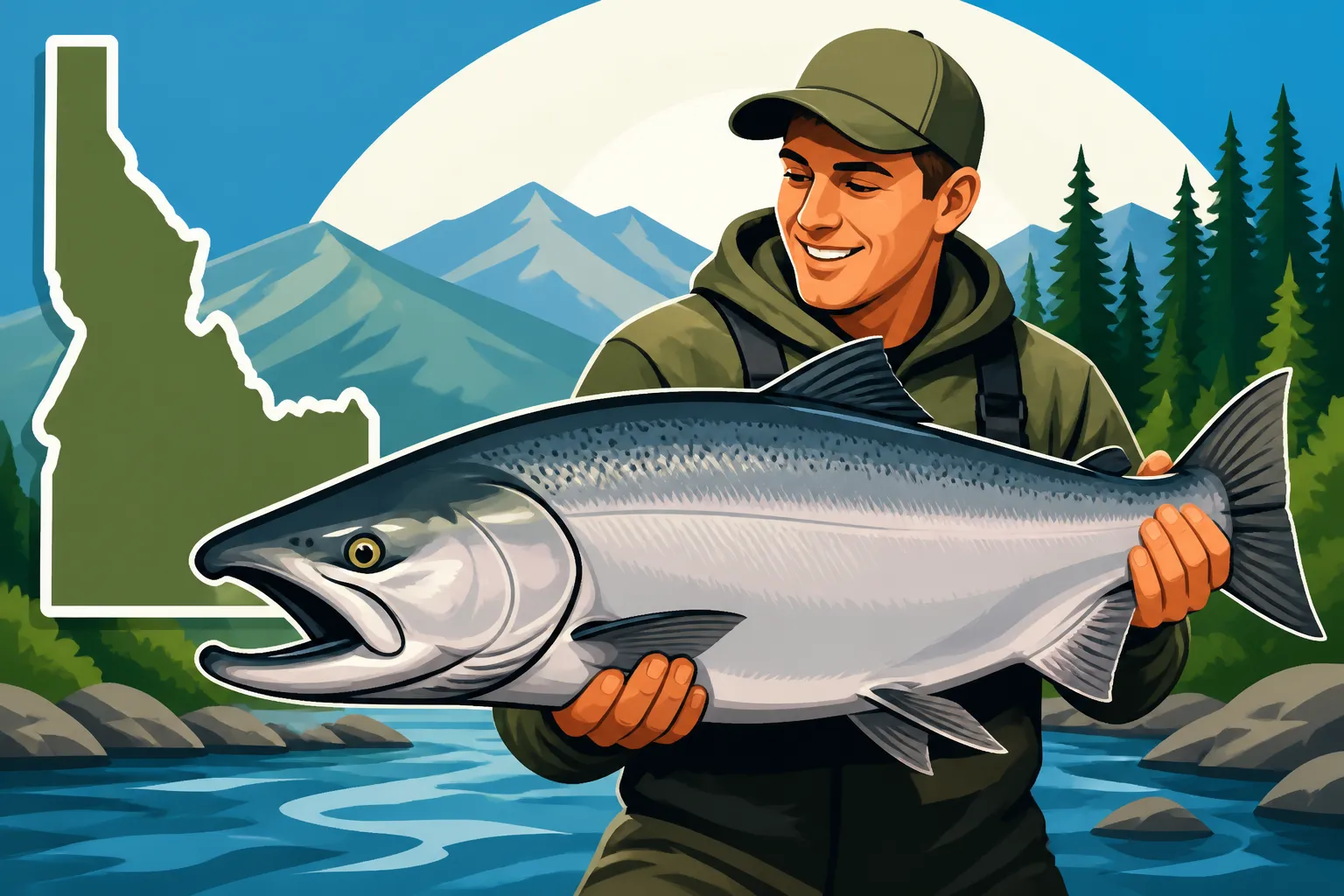
One of the most thrilling pursuits in Idaho fishing is chasing after the formidable Chinook salmon. These powerful fish offer an incredible fight and, for many anglers, the dream of landing a true lunker. But what exactly can you expect when it comes to their size here in the Gem State? It’s a question that sparks excitement and a fair bit of strategic planning among those who cast their lines, and this guide is here to shed light on just how big Idaho Chinook salmon can get, both on average and at their most impressive.
The Majesty of Idaho Chinook Salmon: What Makes Them So Grand?
Chinook salmon, often called King salmon, are iconic for their impressive size and strength. In Idaho, while we don't have the direct ocean access of our coastal neighbors, we're fortunate to have robust landlocked populations that offer anglers a truly special experience. These fish are a testament to Idaho's diverse fisheries, providing unique opportunities to target a species synonymous with power and majesty.
A Brief Overview of Chinook in Idaho Waters
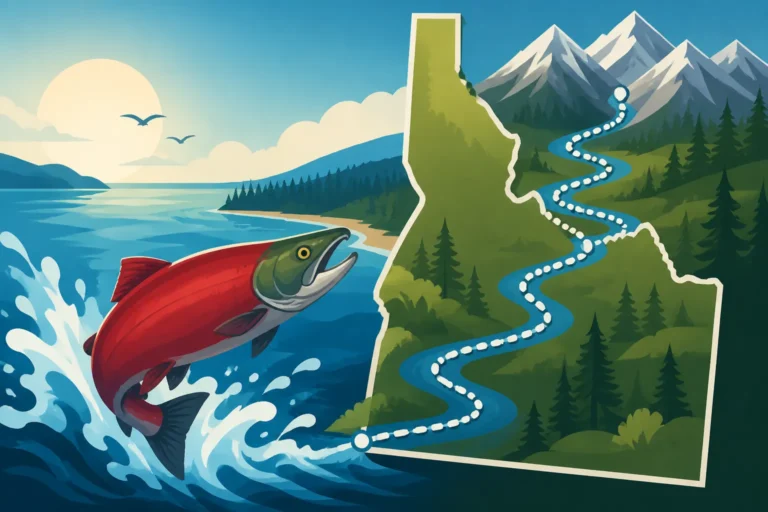
Idaho's Chinook salmon populations are primarily found in two distinct environments: the anadromous (ocean-going) runs in rivers like the Salmon River and Clearwater River, and the landlocked populations, most famously in Lake Coeur d'Alene. The anadromous Chinook make an epic journey from the Pacific Ocean, up the Columbia and Snake Rivers, to spawn in Idaho's pristine waters. These are wild fish, and their numbers are carefully managed. The landlocked Chinook, however, are typically hatchery-supported populations that thrive in vast, nutrient-rich lakes, living out their entire lives without ever reaching the ocean. It's these landlocked giants, particularly those in Lake Coeur d'Alene, that often capture the imagination with their sheer bulk. Idaho Chinook Salmon Fishing Guide can tell you more about where to find them.
Factors Influencing Chinook Growth in Idaho
Several key factors play a massive role in how large a Chinook salmon will ultimately grow in Idaho's waters. It's not just about genetics; it's a complex interplay of environment, food, and management.
- Food Abundance: This is perhaps the biggest driver of size. In a lake like Coeur d'Alene, the presence of a thriving population of kokanee salmon provides an incredibly rich and consistent food source for Chinook. These smaller fish are like protein bars on fins for the Kings, allowing them to grow at an accelerated rate compared to their river-dwelling cousins who might rely on a more varied and less abundant diet of insects, smaller fish, and crustaceans. The more high-quality food available, the faster and larger the Chinook can grow.
- Water Quality and Habitat: Clean, cold water with ample oxygen is crucial for salmon health and growth. Idaho's rivers and lakes generally provide excellent conditions. Habitat structure, including deep channels, submerged structures, and areas with good current, offers places for Chinook to hunt and rest, conserving energy they can then put into growth.
- Genetics: While environmental factors are huge, the genetic predisposition of a particular strain of Chinook also contributes to its maximum size potential. Some hatchery strains are specifically selected for their growth potential, which can certainly influence the upper end of the size spectrum.
- Angling Pressure and Management: In landlocked fisheries, consistent stocking programs ensure a healthy population. Regulations, such as catch limits and size restrictions, are designed to allow fish to reach a good size before being harvested, contributing to the overall trophy potential of the fishery. When fishing for these species, it’s always wise to consult Idaho Catch Limits and Bag Limits Explained and Idaho Fishing Regulations Explained before heading out.
When you're geared up and ready to target these impressive fish, having the right equipment is non-negotiable. Heavy-duty trolling rods, stout reels, and strong lines are crucial. Many anglers find a wide selection of suitable gear, from specialized trolling rods to heavy mono or braided lines, readily available on platforms like Amazon, ensuring they're prepared for the fight a big Chinook delivers.
Unpacking the Size: How Big Do Idaho Chinook Salmon Really Get?
So, let's get down to the brass tacks: what kind of numbers are we talking about when it comes to Idaho Chinook salmon? It's important to differentiate between what you might typically catch and what constitutes a true trophy.
Average Size vs. Trophy Potential
For the average angler targeting Chinook in Idaho, especially in a popular spot like Lake Coeur d'Alene, you can typically expect to encounter fish ranging from 8 to 15 pounds. These are still respectable fish, often putting up a fantastic fight and making for excellent table fare. They'll generally measure anywhere from 24 to 32 inches in length.
However, the "trophy potential" is where the legend of Idaho Chinook really comes alive. It's not uncommon for anglers to land Chinook in the 20 to 30-pound range, particularly during peak seasons or for those who spend significant time on the water. These are the fish that require serious effort and proper gear. We're talking about lengths of 36 to over 40 inches, possessing broad shoulders and immense power.
Here’s a quick overview:
| Category | Typical Weight Range (lbs) | Typical Length Range (inches) |
|---|---|---|
| Average Catch | 8 – 15 | 24 – 32 |
| Large Catch | 16 – 25 | 33 – 39 |
| Trophy Potential | 26 – 40+ | 40+ |
Idaho's Record Chinook Salmon
While many fisheries boast impressive average sizes, Idaho has a history of producing truly monstrous Chinook salmon. The state record Chinook salmon, caught in Lake Coeur d'Alene, stands at a staggering 45 pounds! This record speaks volumes about the capability of Idaho's waters, particularly its landlocked lake systems, to nurture these fish to incredible proportions. Imagine the thrill of hooking into something that large – it's the kind of fish that tests your tackle, your skill, and your patience to the absolute limit.
While breaking a state record is a rare feat, the very existence of such a fish proves that the potential for giants is absolutely there. It’s what keeps anglers coming back, hoping their next strike might be that once-in-a-lifetime monster. This is why having the right gear, including strong leader material and a reliable drag system, is so important. A quick search on Amazon can help you find high-quality fishing line and other essentials to give you the best chance against a powerful fish.
Why Size Matters: Angling for Larger Chinook in Idaho
For many, the chase for a larger fish isn't just about bragging rights; it's about the challenge, the pure power of the battle, and the satisfaction of landing a truly magnificent creature. Targeting bigger Chinook requires a bit more intentionality than simply casting a line.
Gear Up for Giants
When you’re specifically hoping to tangle with a trophy Chinook, your gear setup needs to be up to the task. These fish are notorious for their explosive runs and head shakes, which can quickly expose any weaknesses in your tackle.
- Rods: Opt for medium-heavy to heavy action trolling or downrigger rods. These rods have the backbone to handle the weight and power of a large fish, absorbing sudden surges and helping you steer the fish during the fight.
- Reels: A high-quality, level-wind conventional reel with a smooth, powerful drag system is essential. It needs to hold a good amount of heavy line and disperse heat effectively during those long, screaming runs.
- Line: Don't skimp on line strength. Many anglers prefer braided main lines (30-50 lb test) for their sensitivity and strength, often paired with a fluorocarbon leader (20-30 lb test) for its invisibility and abrasion resistance. Heavy monofilament (20-30 lb test) is also a popular choice for its shock-absorbing qualities.
- Lures and Bait: Large spoons, plugs, and sometimes cut bait are preferred for targeting bigger Chinook. These larger presentations are more likely to attract the attention of bigger, more aggressive fish. Ensure your hooks are sharp and strong enough not to straighten out under pressure.
You can find an extensive range of these specialized items, from robust fishing reels to heavy-duty trolling lures, on Amazon, making it convenient to upgrade your arsenal before your next big trip. Being prepared with the right tools significantly increases your chances of not just hooking, but successfully landing, a giant. Idaho Fishing Gear Guide by Season might also offer some valuable insights.
Timing and Location for Trophy Chinook
Catching a giant Chinook isn't just luck; it often comes down to knowing when and where to fish.
- Lake Coeur d'Alene: This lake is hands-down the premier destination for trophy landlocked Chinook in Idaho. The abundance of kokanee salmon in the lake creates an ideal environment for Kings to grow to exceptional sizes.
- Best Seasons: While Chinook can be caught year-round, late fall through early spring often produces the biggest fish. During these cooler months, Chinook are often more active feeders and can be found shallower as they follow their kokanee prey. Winter months, including ice fishing if conditions allow, can also be highly productive for large fish. Best Fishing Spots in North Idaho delves deeper into regional hotspots.
- River Systems (Salmon River, Clearwater River): While these rivers are famous for their anadromous (ocean-run) Chinook, the focus here is generally on quantity and the experience of catching a powerful river fish, rather than purely trophy size like the landlocked lake giants. River Chinook are often impressive in their own right, but the sheer bulk is typically less than their lake-dwelling counterparts. Fishing the Salmon River for Steelhead and Chinook can provide more detail for these areas.
- Depth and Structure: Larger Chinook often prefer deeper water, especially during warmer months, or congregate around specific structures like underwater points, ledges, or channels where baitfish are abundant. Using a good fish finder is invaluable for locating these fish and their food sources.
Understanding these patterns and focusing your efforts in proven big-fish waters during optimal times will greatly improve your odds.
Techniques for Landing a Lunker
Once you’ve identified your target waters and geared up appropriately, mastering a few key techniques will put you in a better position to land a trophy Chinook.
- Trolling: This is the most popular and effective method for targeting large landlocked Chinook, especially in lakes like Coeur d'Alene. Using downriggers allows you to present your lures or bait at precise depths where the fish are holding. Varying your speed, lure color, and depth until you find what triggers a bite is key. Idaho Trolling Techniques Guide can expand on this.
- Sustained Pressure: When a big Chinook hits, resist the urge to horse it in. Instead, apply steady, firm pressure. Let the fish run if it needs to, relying on your reel's smooth drag. Pumping and reeling, gaining line when the fish allows, is crucial.
- Patience: Landing a trophy Chinook can be a marathon, not a sprint. These fish have incredible stamina. Don't rush the fight, especially as the fish gets closer to the boat. Many big fish are lost boatside due to impatience.
- Netting: Use a large, sturdy landing net, and ensure it's ready before the fish is alongside the boat. Have a plan with your fishing partner for a clean, swift scoop, headfirst, once the fish is tired and close.
Conservation and the Future of Big Chinook in Idaho
The pursuit of large Chinook salmon is exhilarating, but it also comes with a responsibility to ensure these magnificent fish continue to thrive for future generations. Idaho's management strategies and angler practices both play a crucial role.
Protecting the Giants
Conservation efforts are vital for sustaining healthy Chinook populations. While landlocked Chinook fisheries are often hatchery-supported, allowing for more harvest opportunities, understanding and adhering to regulations is paramount.
- Respecting Regulations: Always be aware of the current season dates, bag limits, and any size restrictions for Chinook salmon in your chosen fishing spot. These rules are in place to manage the fishery and protect larger, spawning-potential fish. Idaho Fishing Regulations Explained is your go-to resource.
- Responsible Catch and Release: For fish you don't intend to keep, or in areas with catch-and-release rules (especially for wild anadromous populations), practicing proper handling techniques is crucial for the fish's survival. Minimize their time out of water, use wet hands, and support their body weight. Consider using barbless hooks, which can make releases quicker and less stressful for the fish.
- Habitat Protection: Support initiatives that protect and restore water quality and habitat, which are fundamental to the health and growth of all fish species, including Chinook.
The Role of Stocking Programs
For landlocked Chinook populations, stocking programs by the Idaho Department of Fish and Game are fundamental to maintaining and enhancing the fishery. These programs involve raising Chinook in hatcheries and releasing them into suitable waters.
- Population Maintenance: Stocking ensures a consistent supply of fish for anglers, especially in environments where natural reproduction might be limited or nonexistent for landlocked populations.
- Trophy Potential: Hatcheries can selectively breed fish for desired traits, including growth rates. By introducing healthy, fast-growing Chinook into food-rich lakes, they directly contribute to the potential for anglers to catch truly large fish. How Idaho Fish and Game Decides What to Stock gives more background on this.
- Ecosystem Balance: In some cases, stocking Chinook also serves an ecological purpose, helping to manage populations of other species like kokanee salmon, which can become overabundant without a predator like the Chinook. How Chinook Salmon Control Idaho's Kokanee Population details this relationship.
These programs are a key part of what makes Idaho a fantastic place to target big Chinook, ensuring that the dream of landing a magnificent King salmon remains a vibrant reality for anglers year after year.
Disclaimer
This article is for general informational purposes only and does not constitute professional advice. Laws, prices and regulations vary by location and change over time. Consult a qualified professional for guidance on your specific situation.