How to Fly Fish Henry’s Fork
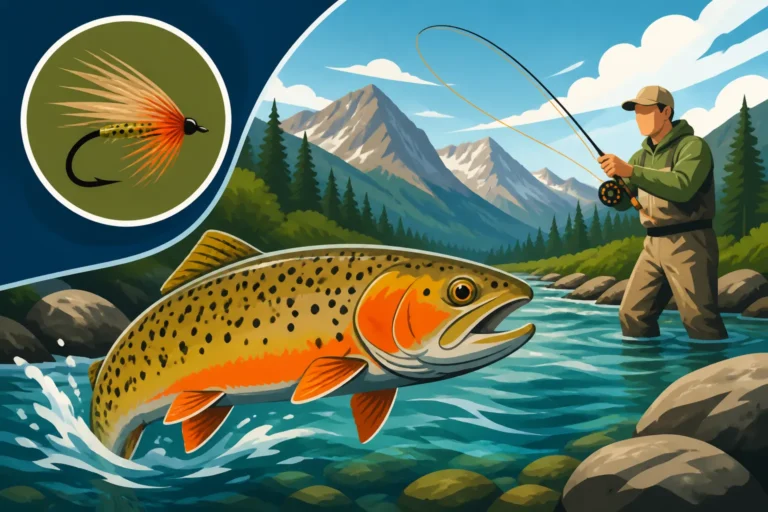
Fly fishing Henry's Fork is often portrayed as the ultimate test for any angler, and honestly, that reputation isn't far off. Many folks arrive eager, only to find the trout incredibly selective, the currents complex, and the sheer number of bugs overwhelming. It's easy to get frustrated when you feel like you're doing everything right, but the fish just aren't cooperating. This comprehensive guide is here to demystify Henry's Fork, helping you understand its unique challenges and arming you with the knowledge to approach this legendary fishery with confidence, turning those frustrations into triumphant moments.
Understanding the Unique Challenges of Henry's Fork
Henry's Fork of the Snake River in eastern Idaho isn't just another trout stream; it's a world-renowned proving ground that demands respect and a finely tuned approach. Its very nature presents obstacles that can humble even the most experienced angler, but understanding these challenges is the first step toward overcoming them.
The Finicky Nature of Henry's Fork Trout
The trout in Henry's Fork, particularly the rainbow trout in the famous Harriman State Park (often called "The Ranch") section, are legendary for their choosiness. They don't just eat; they sip, they inspect, and they often flat-out refuse anything that doesn't perfectly match their current dietary preference. This isn't out of malice, but rather a consequence of their environment. With an incredibly rich and diverse aquatic insect population, these fish have a smorgasbord of natural food items to choose from, making them exceptionally opportunistic yet highly selective. If your fly isn't the right size, color, or presented with impeccable drift, they'll simply let it float by, saving their energy for the next perfect morsel. This level of selectivity means your presentation must be flawless, and you need to be constantly observing and adapting to what the fish are actually doing, not just what you think they should be doing.
Diverse Water Types and Their Demands
From its headwaters near Big Springs down through the renowned Box Canyon and Harriman Ranch, Henry's Fork encompasses an incredible variety of water types, each requiring a different strategy and skill set. The upper river, near Island Park, features faster, freestone sections with plenty of riffles and pocket water, often more forgiving for beginners. Then you transition into the slow, glassy flows of the Harriman Ranch, where casting long, accurate leaders and achieving drag-free drifts are paramount. Further downstream, the Box Canyon presents a powerful, technical stretch with deep runs and heavy currents. Anglers often find themselves needing to switch tactics entirely within a single day, moving from delicate dry fly presentations on still water to heavy nymph rigs in fast currents. This diversity is what makes Henry's Fork so captivating, but it also means you can't rely on a single fishing technique or setup for the entire river. To truly conquer this river, you need to understand how to read each type of water and adjust your approach accordingly.
The Pressure of a World-Renowned Fishery
Given its global reputation as a premier fly fishing destination, Henry's Fork receives significant angling pressure, especially during peak season. This constant presence of anglers, boats, and waders makes the trout even warier and more educated. They've seen it all: poorly cast lines, flies that drag, and anglers who aren't mindful of their shadows or movements. This pressure adds another layer of challenge to an already demanding fishery. It means stealth is critical, particularly in the clear, shallow water of the Ranch. You can't just wade in without thought; you need to plan your approach, keep a low profile, and minimize disturbance. The cumulative effect of years of angling pressure has bred a population of incredibly smart trout, and outwitting them requires not just skill, but also patience, observation, and an appreciation for the subtle art of the approach.
Essential Gear for Henry's Fork Fly Fishing
Preparing for a trip to Henry's Fork isn't just about throwing your usual setup in the car; it requires a thoughtful selection of specialized gear designed to meet the river's unique demands. The right tools can make all the difference when those finicky trout are testing your patience.
Rod, Reel, and Line Recommendations
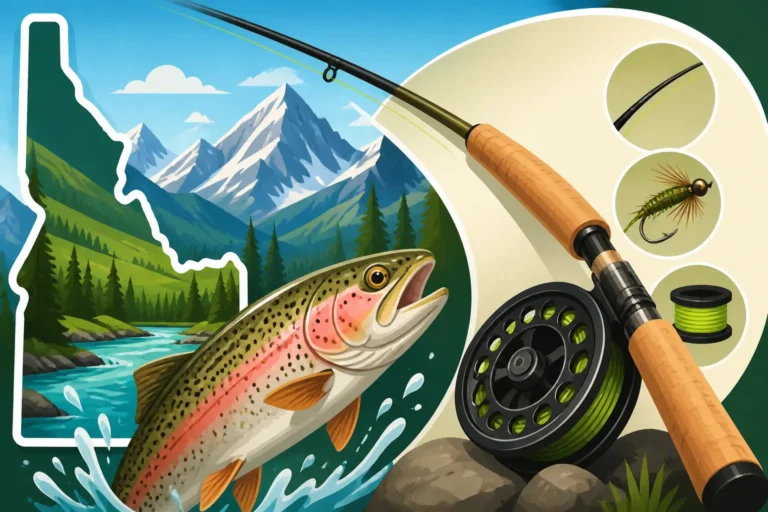
For the majority of situations on Henry's Fork, a 5-weight or 6-weight fly rod, typically between 8.5 and 9.5 feet in length, will be your workhorse. A 5-weight is excellent for the delicate dry fly presentations required on the Harriman Ranch or for fishing smaller nymphs. If you plan to throw larger streamers, fish in the wind, or tackle the heavier currents of Box Canyon, a 6-weight will give you more backbone and control. The key here is sensitivity and accuracy over raw power. You'll want a medium-fast to fast-action rod that allows for precise casting and gentle landings.
Pair your rod with a reliable reel that has a smooth drag system, though frankly, for most Henry's Fork trout, you're not battling monsters that will spool you. The reel's main job is to hold your line. Speaking of line, a weight-forward floating line is almost universally recommended. For those incredibly subtle takes and long casts, a high-quality, supple floating line that lays out straight and mends easily is crucial. Some anglers even prefer a specialized nymphing line if they plan to spend most of their time subsurface. You can find excellent options for all these on Amazon, often with reviews that speak to their performance in specific conditions.
Leader and Tippet Specifics for Clear Water
This might be the most critical gear consideration for Henry's Fork: your leader and tippet. The incredibly clear water and selective trout mean you need to be as invisible as possible. Forget your standard 9-foot, 4X leader; you'll almost certainly need something longer and finer. A typical setup for dry fly fishing on the Ranch might involve a 12-foot to 15-foot tapered leader, often reduced to 6X or even 7X tippet. The extra length helps create a softer landing for your fly and extends your drag-free drift. For nymphing, you might start with a shorter leader, but still be prepared to use finer tippets, especially if the water is low and clear.
Fluorocarbon tippet is often preferred for nymphing and streamer fishing due to its nearly invisible properties underwater and its faster sink rate. For dry flies, many prefer a high-quality monofilament tippet for its buoyancy and flexibility. Having a range of tippet sizes (from 4X to 7X) is non-negotiable, as you'll be constantly adjusting based on the specific hatch, water conditions, and the mood of the fish. These delicate connections are vital for convincing those educated trout.
Waders, Boots, and Safety Gear
Given the diverse nature of Henry's Fork, a good pair of breathable chest waders is essential. You'll be wading in various depths and temperatures, from cool mornings to warm afternoons. Durability and comfort are key, especially if you plan on covering a lot of ground. Pair them with sturdy wading boots that offer excellent ankle support and grip. Felt soles are often preferred for their traction on slippery riverbeds, but studded rubber soles can also work well, particularly if you're hiking a bit. Be mindful of local regulations regarding felt soles, as some states have banned them to prevent the spread of aquatic invasive species, though Idaho generally permits them.
Beyond your primary wading gear, don't forget essential safety items. A wading staff can be a lifesaver when navigating deeper, faster currents or uneven bottoms. Polarized sunglasses are absolutely critical for spotting fish and reading subtle currents. A vest or pack to organize your fly boxes, tippet spools, strike indicators, and other tools will keep you efficient on the water. Sunscreen, a hat, and plenty of water are also non-negotiable, especially during the long summer days. Being prepared ensures both comfort and safety during your Henry's Fork adventure.
Mastering Henry's Fork Fly Selection and Presentation
Fly fishing Henry's Fork isn't just about having the right gear; it's a sophisticated dance between understanding insect life cycles and presenting your imitation with utmost finesse. The river's abundant hatches and selective trout demand a keen eye and precise technique.
Key Hatches and Dry Fly Tactics
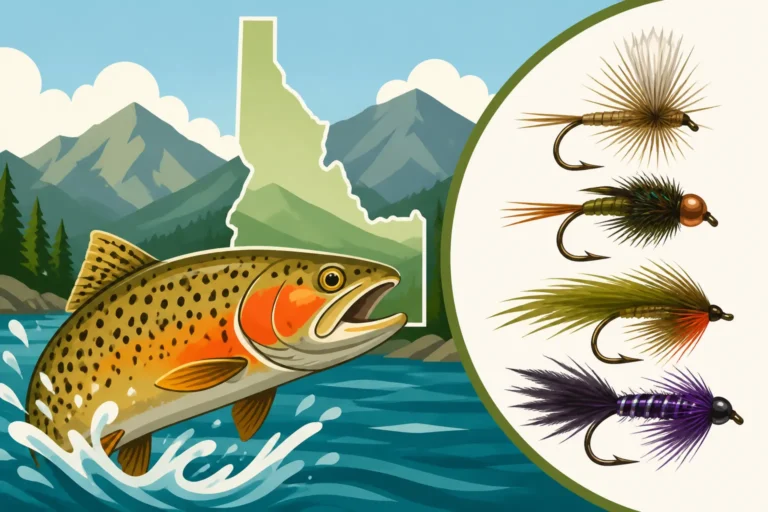
Henry's Fork is world-renowned for its prolific insect hatches, making dry fly fishing a spiritual experience when the conditions are right. Knowing "How to Fish Henry's Fork During a Hatch" is key to success. The season kicks off in late spring with prolific hatches of Baetis (Blue-Winged Olives) and occasional early caddis. As summer progresses, the river truly comes alive with Pale Morning Duns (PMDs), Green Drakes, Brown Drakes, and a variety of caddis species. Later in the summer, terrestrial patterns like ants, hoppers, and beetles become incredibly effective, especially on windy days.
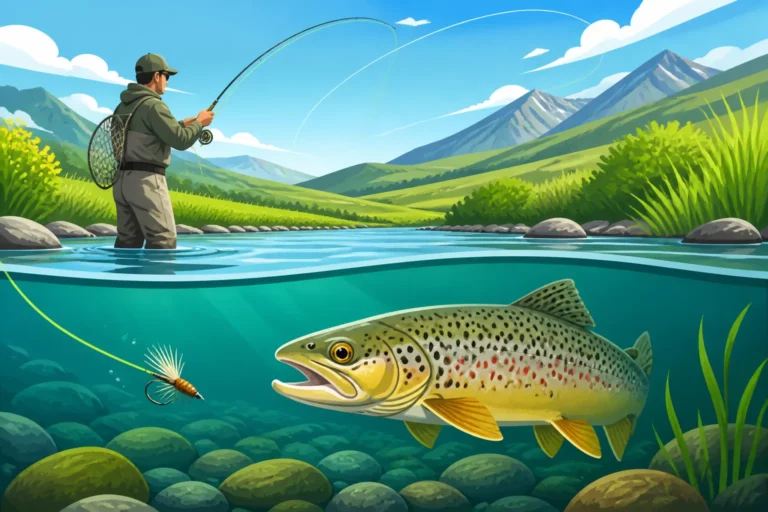
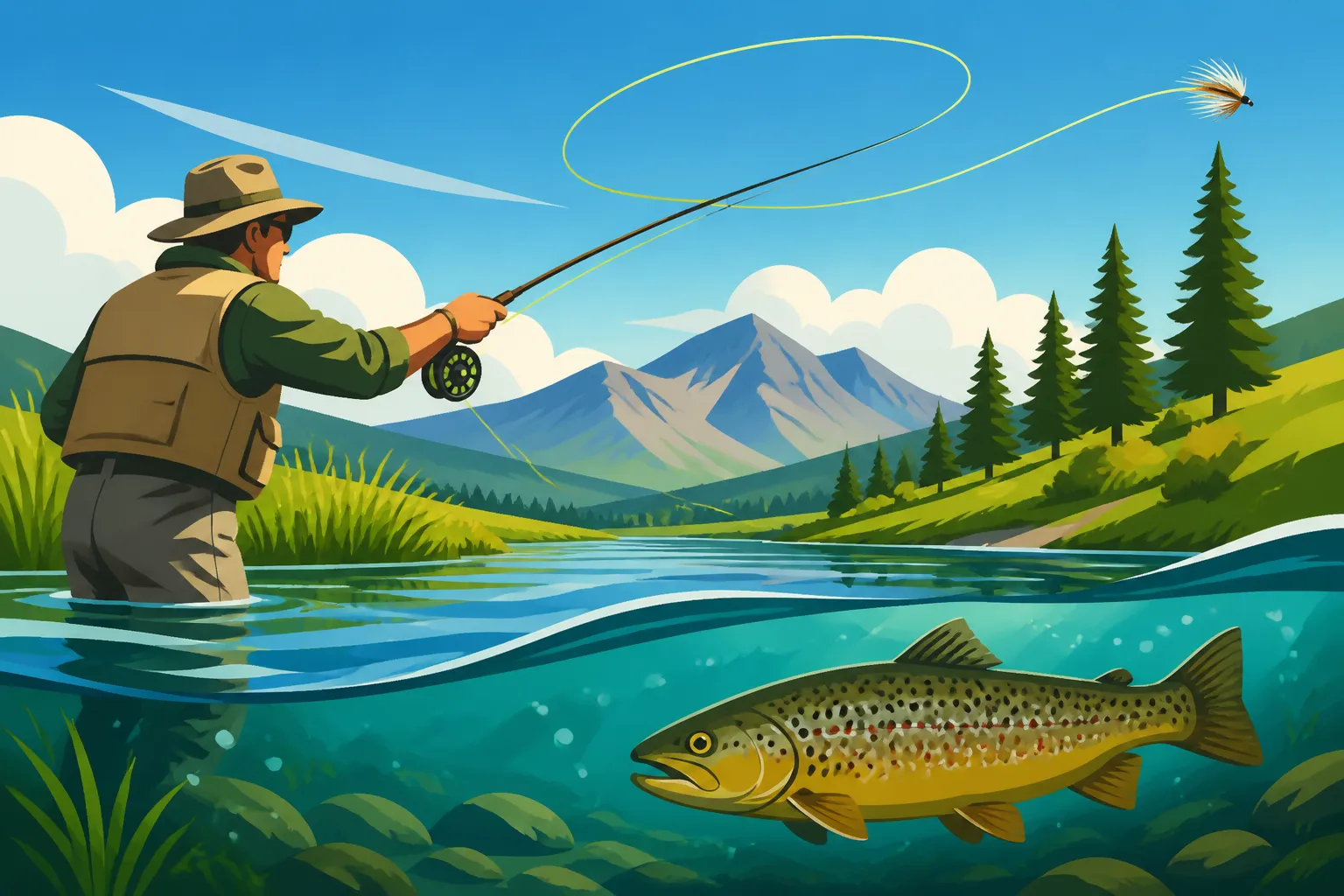
When a hatch is on, the trout often become intensely focused on a particular size, shape, and color of insect. Your job is to match it precisely. This means having a good selection of dry flies in various sizes and stages of emergence. Presentation is paramount; the slow, clear currents of sections like the Harriman Ranch demand long, drag-free drifts. Cast well upstream of the feeding fish, aiming for a soft landing. Often, a subtle upstream or reach mend will be necessary to achieve that perfect drift. Don't be afraid to use a long leader and fine tippet, sometimes as fine as 7X, to minimize disturbance and achieve a natural presentation. Remember, these trout have seen it all, and a single drag dimple can send them darting for cover. You can find excellent multi-pack fly assortments targeting these specific hatches on Amazon, helping you build a diverse fly box quickly.
Nymphing Strategies for Subsurface Success
While dry fly fishing gets a lot of the glory, nymphing is often the most consistent way to catch fish on Henry's Fork, especially when no visible hatch is occurring or in the faster, deeper sections. Understanding the subsurface world of this river is crucial. Trout here feed heavily on nymphs, pupae, and larvae clinging to the riverbed. Your goal is to get your nymph imitation down to their feeding zone, which is often just inches off the bottom.
Effective nymphing on Henry's Fork typically involves a "tight-line" or "Euro-nymphing" approach, especially in faster currents, or a more traditional indicator nymphing setup in slower, deeper pools. For indicator fishing, experiment with different indicator sizes and depths until your fly is ticking the bottom without constantly snagging. A common rig might involve two nymphs: a heavier "point" fly (like a tungsten-beaded Prince Nymph or Stonefly) to get the rig down, followed by a lighter "dropper" fly (like a Zebra Midge, Pheasant Tail, or Hare's Ear) on a section of tippet. The critical aspect is achieving a drag-free drift, mimicking the natural movement of nymphs in the current. This often requires subtle mends and attentive line control. You'll find that "What Flies to Use on Henry's Fork in Summer" often includes a robust list of effective nymph patterns.
Streamer Fishing in Specific Conditions
While Henry's Fork trout are primarily insectivores, there are times and places where streamer fishing can be incredibly effective, particularly for targeting larger, more aggressive fish. This technique is less common on the slow, technical water of the Harriman Ranch but can shine in the faster, deeper runs of Box Canyon or the lower river sections, especially during overcast conditions, after a rain, or in lower light, such as early morning or late evening.
Streamers imitate baitfish or larger aquatic organisms. Patterns like Woolly Buggers, Sculpzillas, or various articulated streamers in natural colors (olive, black, brown, white) can entice a predatory strike. The key to successful streamer fishing is often the retrieve. Experiment with different strip rates and pauses, trying to mimic a wounded baitfish. A good retrieve often involves erratic movements, speeding up, slowing down, and even twitching the fly. A short, stout leader (around 4-6 feet of 0X-2X fluorocarbon) is typically used to turn over these heavier flies. While it might not be your primary tactic, having a few streamers in your box for those specific opportunities can lead to some truly memorable encounters with Henry's Fork's larger inhabitants.
Navigating Henry's Fork's Iconic Sections
Henry's Fork is a river of distinct personalities, with each major section offering a unique angling experience. To truly master this river, it's essential to understand the characteristics and demands of its most famous stretches.
The Harriman State Park (Ranch) Water
Mention Henry's Fork to an experienced angler, and the Harriman State Park, affectionately known as "The Ranch," is likely the first section that comes to mind. This stretch, flowing through protected private land (though with public access for wading and floating), is legendary for its slow, glassy currents and incredibly selective trout. "Henry's Fork's Most Technical Water for Fly Anglers" is a description that perfectly fits this section. The flat, open water offers little concealment, making stealth an absolute priority. You need to approach fish slowly, stay low, and minimize false casts.
Fishing the Ranch is primarily a dry fly game during the summer hatches, requiring long, accurate casts and impeccable drag-free drifts. The trout here are masters of observation, often refusing a fly that drifts unnaturally for even a second. Anglers here typically utilize leaders of 12-15 feet, tapering down to 6X or 7X tippet, to present flies like PMDs, Green Drakes, and caddis with the utmost delicacy. While challenging, successfully fooling a trout on the Ranch is one of fly fishing's most rewarding achievements, a testament to precision and patience. The beauty of the landscape and the challenge of the fishing create an unforgettable experience, making it a bucket-list destination for many.
Fishing Henry's Fork Near Last Chance and Box Canyon
Just downstream from Big Springs, the river flows through sections like Last Chance and into the famed Box Canyon. "Fishing Henry's Fork Near Last Chance" offers a slightly different experience than the Ranch. This area still boasts incredible hatches, but the water often has a bit more current and diverse structure, providing some riffles and faster pockets where fish might be slightly less finicky. It's a fantastic spot for both dry fly fishing during hatches and consistent nymphing.
The Box Canyon, on the other hand, is a powerful, rugged stretch known for its deep, fast runs, rocky bottom, and substantial currents. This is where you'll often find bigger, harder-fighting fish, though they can be challenging to hook and land in the turbulent water. Nymphing is often the most productive method here, utilizing heavy nymphs and strike indicators to get your flies down quickly. Streamer fishing can also be effective, especially when targeting larger trout that lurk in the deeper pools and eddy lines. Wading here requires caution due to the strong currents and slippery rocks. While less about delicate dry fly presentation, the Box Canyon offers a thrilling, physically demanding experience for anglers seeking a different kind of Henry's Fork challenge.
Exploring the Island Park Sections
Above the more famous lower sections, the Henry's Fork meanders through the scenic Island Park area, offering a more diverse and often more forgiving angling experience. "Fishing Henry's Fork Near Island Park" encompasses a wide variety of water, from the spring-fed origins at Big Springs to sections that resemble a classic freestone river. Here, you'll find a mix of riffles, runs, and pools, providing excellent habitat for trout and a different array of insect life.
The upper river in Island Park is often considered "The Easiest Section of Henry's Fork for Beginners," though still offering plenty of challenge for experienced anglers. Dry fly fishing can be excellent, particularly with caddis, PMDs, and various terrestrial patterns. Nymphing is consistently productive in the deeper runs and pockets. The river flows through open meadows and forested areas, providing ample access points for both wade fishing and floating. Unlike the intense focus required on the Ranch, the Island Park sections allow for a bit more exploration and experimentation, making them a great choice for those looking to experience the beauty of Henry's Fork without the immediate pressure of its more technical waters. This stretch of "Henry's Fork's 70 Miles of Fishable Water Explained" gives anglers a chance to truly spread out and discover hidden gems.
Optimal Seasons and Conditions for Henry's Fork
Timing your trip to Henry's Fork can drastically influence your experience, as the river transitions through distinct seasons, each offering unique opportunities and challenges. Understanding "Best Time of Year to Fish in Idaho" for this specific river is crucial.
Spring Runoff and Early Season Opportunities
Spring on Henry's Fork is a time of transition, heavily influenced by the annual snowmelt and subsequent runoff. Depending on the snowpack, runoff can begin anywhere from late April to late May, making river conditions muddy and high. While many anglers shy away from runoff, it can actually present some unique opportunities, especially in the clear, spring-fed sections like the headwaters near Big Springs and parts of the Harriman Ranch, which often remain fishable even when other sections are blown out.
Before or during the early stages of runoff, anglers can experience some fantastic Baetis (Blue-Winged Olive) hatches, which can bring hungry trout to the surface. Nymphing also remains a consistent method, with stoneflies and larger attractor patterns being effective in the slightly off-color water. Early spring also sees fewer crowds, offering a more solitary experience. However, be prepared for unpredictable weather, from warm, sunny days to late-season snow showers. As the water temperatures begin to rise, "How Water Temperature Affects Idaho Trout Fishing" becomes a critical factor, waking up both insects and fish.
The Legendary Summer Hatches
Summer is arguably the most famous time to fish Henry's Fork, a period synonymous with epic dry fly fishing and prolific insect hatches. From late May through August, the river bursts with life, hosting incredible emergences of Pale Morning Duns (PMDs), Green Drakes, Caddis, and later in the season, terrestrial insects like grasshoppers and ants. This is when the Harriman Ranch truly shines, offering world-class sight fishing to rising trout.
However, summer also brings the most angling pressure. You'll often find yourself sharing the water with many other passionate fly fishers. To succeed, precise fly selection and flawless presentation are paramount. The trout are feeding heavily but are incredibly selective. Early mornings and late evenings often provide the best dry fly action, especially during prolific hatches. Midday can sometimes be slower, but terrestrials or skillful nymphing can still produce fish. Always have a variety of patterns in different sizes to match the specific hatch or "What Flies to Use on Henry's Fork in Summer" during the current conditions.
Fall Fishing for Trophy Trout
As summer wanes and cooler temperatures arrive, Henry's Fork enters its enchanting fall season, a favorite time for many seasoned anglers. The crowds thin out, the foliage turns brilliant hues, and the trout often become more aggressive as they prepare for winter. While the massive hatches of summer begin to subside, strong Baetis hatches can still occur, along with reliable caddis activity. More importantly, this is prime time for streamer fishing, as larger trout become more opportunistic, looking to bulk up on bigger meals.
The cooler water temperatures invigorate the fish, often leading to harder fights. While dry fly fishing opportunities may be less frequent than in summer, the quality of the fishing can be exceptional, with the chance to hook into some truly trophy-sized trout. Nymphing remains highly effective throughout the fall, especially with patterns imitating Baetis nymphs, caddis larvae, and stoneflies. This season offers a more relaxed pace, stunning scenery, and the exciting prospect of connecting with some of the river's largest residents, making it a compelling alternative to the bustling summer months.
Key Henry's Fork Hatches & Prime Seasons
:Henry### Mastering the Art of Targeting Steelhead in Idaho's Rivers: A Guide to Techniques and Timing
Idaho's steelhead runs are the stuff of legend, drawing anglers from far and wide to its powerful, clear rivers. But successfully hooking one of these elusive, chrome-bright beauties isn't just about showing up; it's about understanding their behavior, knowing what techniques work best, and timing your visit perfectly. If you've ever felt like you're just casting blindly into the river, hoping for a miracle, you're not alone. Steelhead are famously challenging, but with the right approach, you can significantly increase your chances of connecting with one. This comprehensive guide will walk you through the most effective techniques, help you understand the best times to fish, and provide insights into the specific rivers where these magnificent fish make their epic migrations.
Decoding Steelhead Behavior and River Dynamics
Before you even tie on a fly or lure, understanding why steelhead are in Idaho's rivers and how they behave in these environments is paramount. They're not actively feeding like resident trout; rather, they're on a mission, migrating to their spawning grounds, which influences everything from where they hold to what triggers a strike.
The Migration Journey and Holding Patterns
Idaho's steelhead are anadromous rainbow trout, meaning they're born in freshwater, migrate to the Pacific Ocean to grow large, and then return to their natal rivers to spawn. This incredible journey is driven by instinct, not hunger. When they enter the freshwater systems of rivers like the Clearwater or Salmon, they stop actively feeding and instead seek out lies and holding water where they can conserve energy and feel safe from predators and harsh currents. These holding spots are typically deeper pools, current seams, riffle tails, and areas with submerged structure like boulders or logs that break the flow.
Understanding this migratory behavior is crucial. You're not looking for rising fish or actively feeding trout in shallow riffles. Instead, you're targeting areas where steelhead can rest, often in congregating schools. Their journey can span hundreds of miles upstream, so their condition and aggression can vary. Fresh, "hot" fish that have just entered the river from the ocean might be more prone to striking, while those that have been in the river for weeks or months might be more lethargic. Knowing where the fish are in their migration – and where they're likely to pause – dictates your approach.
Factors Influencing Steelhead Aggression and Takes
Since steelhead aren't feeding, a "take" is usually a reaction strike, an aggressive territorial defense, or a response to an irritation. Several factors influence how likely a steelhead is to strike:
- Water Temperature: This is perhaps the most significant factor. Steelhead are cold-blooded, and their metabolism slows down in very cold water. Optimal temperatures for steelhead activity are generally between 40-55°F (4-13°C). Below 38°F, they can become very sluggish, and above 60°F, they might become stressed.
- Water Clarity: Idaho's steelhead rivers are often crystal clear, but clarity can change rapidly with rain or snowmelt. Clear water generally means more cautious fish and the need for finer leaders and more subtle presentations. Off-color water, however, can sometimes make fish less wary and more willing to hit a larger, more visible offering.
- Light Conditions: Overcast days or low-light conditions (dawn and dusk) often trigger more active steelhead. Bright, sunny days might push them into deeper, shadier lies.
- Freshness of Fish: As mentioned, newly arrived fish from the ocean tend to be more aggressive and chrome-bright. Fish that have been in the river for a while may be darker, more focused on spawning, and harder to entice. "How to Tell Hatchery Steelhead from Wild Steelhead by Sight" is useful here, as hatchery fish are often more numerous and can behave slightly differently than their wild counterparts.
- Angling Pressure: Heavily fished runs can make steelhead incredibly wary. Moving to less pressured water or approaching your spot stealthily can improve your chances.
Understanding these variables helps you decide not just what to present, but how and when to present it for the best chance of a reaction strike.
Essential Gear for Idaho Steelhead Fishing
Steelhead fishing demands specialized gear designed to handle powerful fish in strong currents. Trying to land a big steelhead on inadequate tackle is a recipe for heartbreak.
Rods, Reels, and Lines for Power and Control
For steelhead, you need a rod with backbone. Depending on your chosen technique and river size, you're generally looking at medium-heavy to heavy power rods:
- Spin Fishing: A 8.5 to 10-foot medium-heavy fast-action spinning rod is ideal. The extra length helps with casting distance, line control, and fighting fish in current. Brands like Lamiglas, Shimano, or G. Loomis offer excellent steelhead-specific rods.
- Baitcasting: Similar to spinning, a 8.5 to 10-foot medium-heavy fast-action baitcasting rod is preferred for those who prefer baitcasters, especially for drift fishing or back-trolling plugs.
- Fly Fishing: For traditional single-hand fly rods, a 7-weight to 9-weight rod, 9 to 10 feet long, is standard. Two-handed "Spey" or "Switch" rods (11-14 feet, 6 to 8-weight) are incredibly popular on larger rivers like the Clearwater or Salmon, offering superior casting distance and line control for swinging flies.
Your reel needs a smooth, reliable drag system. For spinning and baitcasting, a reel with a high retrieve rate and the capacity for at least 150-200 yards of 15-20lb monofilament or braid is recommended. For fly fishing, a large arbor reel with a strong drag is essential to hold backing and manage fast runs.
Line choice is critical. For gear anglers, 15-20lb monofilament or fluorocarbon main line is common, often paired with a stronger braid backing. For fly anglers, specialized "How to Fish for Steelhead in Idaho" lines are designed for specific techniques. Skagit or Scandi heads with various tips (floating, intermediate, fast-sinking) are used for Spey casting, while a weight-forward floating line or integrated shooting head works for single-hand rods when nymphing or indicator fishing.
Terminal Tackle: Leaders, Hooks, and Swivels
The business end of your line is where the action happens, and using the right terminal tackle is crucial for success and for adhering to regulations like "Idaho Barbless Hook Requirements" for certain species.
- Leaders: For spin and bait fishing, a strong monofilament or fluorocarbon leader (10-15lb test, 2-4 feet long) is tied to your main line with a barrel swivel to prevent line twist. The lighter leader breaks off more easily on snags, saving your main line. For fly fishing, leaders vary greatly by technique:
- Nymphing: A tapered leader, often 9-12 feet, reduced to 1X-3X tippet depending on water clarity and fly size.
- Swinging Flies (Spey/Switch): Short, stout leaders (3-5 feet of 10-15lb test fluorocarbon) are common, designed to turn over heavy flies.
- Hooks: Sharp, strong, and appropriately sized hooks are non-negotiable. Whether you're using bait, jigs, or flies, ensure your hooks are chemically sharpened. Many Idaho rivers require barbless hooks for steelhead, so always check the local regulations. You can buy quality barbless hooks for tying your own jigs or flies, or crimp down the barbs on barbed hooks.
- Swivels and Snaps: Barrel swivels are essential for connecting your main line to your leader for gear fishing, preventing line twist, especially when using spinning gear or back-trolling plugs. Snap swivels can be useful for quickly changing plugs or spinners, but some anglers prefer a direct knot to the lure for strength and sensitivity.
- Weights: For drift fishing or nymphing, pencil lead, split shot, or slinky weights are used to get your presentation to the desired depth and maintain contact with the bottom. Having a variety of sizes is important to adapt to different current speeds and depths.
You can find a vast selection of these terminal tackle items on Amazon, allowing you to stock up on different options to suit varying river conditions and regulations.
Top Techniques for Idaho Steelhead
Whether you're a gear angler or a fly fisher, there are proven techniques that consistently catch steelhead in Idaho's rivers. Each method has its time and place, and versatility is key.
Drift Fishing with Bait or Yarn
Drift fishing is one of the most popular and effective methods for steelhead, particularly for gear anglers. It involves presenting a natural bait or yarn-egg imitation, weighted to bounce along the bottom, just slightly faster than the current. The goal is to mimic a natural food item tumbling downstream, putting it right in front of a steelhead's nose.
- Set Up: Use a sliding weight (slinky, pencil lead, or hollow-core lead) above a swivel, followed by a leader of about 2-4 feet, and finally a single barbless hook.
- Bait Choice: Popular baits include cured roe (steelhead or salmon eggs), shrimp, or worms. Yarn-egg setups (small pieces of brightly colored yarn tied to imitate eggs) are also very effective and are often preferred for their reusability and reduced impact on fish, especially in catch-and-release waters.
- Presentation: Cast slightly upstream and across the current, letting your weight sink and "tick" the bottom as it drifts. Maintain a tight line to feel subtle takes. A take might feel like a gentle tap, a slight hesitation in the drift, or a sudden heavy pull. You'll want to set the hook quickly and decisively. This technique is highly effective in runs and riffle tails where steelhead are likely to be holding close to the bottom.
Back-Trolling Plugs and Wiggle Warts
For boat anglers, back-trolling plugs is a deadly technique, especially in larger rivers like the Clearwater and Salmon. This method involves using the boat's motor to slowly move upstream against the current, allowing weighted plugs (like Mag Lips, Wiggle Warts, or Hot Shots) to "swim" downstream directly behind the boat, often bounced along the bottom or near structure.
- Gear: Use medium-heavy baitcasting or spinning rods rigged with 15-20lb main line.
- Lure Selection: Plugs come in various sizes and colors. Experiment to find what the fish are reacting to on a given day. Bright colors (chartreuse, orange, pink) are often effective in off-color water, while more natural patterns might work in clear conditions. Some plugs have scent chambers that can be filled with attractant.
- Technique: Deploy your plugs on long leaders (often 20-30 feet or more) behind the boat. Use enough weight (usually a dropper weight ahead of the leader) to get the plug down to the strike zone, ensuring it occasionally "taps" the bottom. Control your boat speed to make the plugs wiggle enticingly. Steelhead often hit these plugs aggressively, so be ready for a solid strike. This method is particularly good for covering a lot of water and probing deeper runs.
Swinging Flies with Spey Rods
Fly fishing for steelhead, particularly with two-handed Spey or Switch rods, is a highly aesthetic and increasingly popular method. It's often referred to as "swinging flies," and it's a wonderfully active way to fish, covering vast amounts of water. This is less about sight fishing and more about methodical coverage of prime holding water.
- Rods & Lines: Spey rods (11-14 feet) or Switch rods (10-11 feet) are paired with specialized Skagit or Scandi shooting heads and various sinking tips to get the fly to the desired depth.
- Flies: Streamer-style flies, often called "intruder" patterns or traditional Spey flies, are used. These are typically larger, flashy, and designed to provoke a reaction strike. Colors like black, blue, purple, pink, and chartreuse are popular.
- Technique: Cast across and slightly downstream, then allow the fly to swing through the current in an arc, maintaining tension on the line. The fly's movement through the water is what entices the strike. Takes can range from a gentle tug to a violent grab that nearly rips the rod from your hands. This method is highly effective in classic steelhead runs with consistent current flow and is particularly enjoyable for its casting dynamics and the often aggressive nature of the take.
Nymphing and Indicator Fishing
For fly anglers, nymphing for steelhead is a highly effective tactic, especially when fish are holding deep or are less willing to chase a swung fly. This technique involves presenting weighted nymph patterns under an indicator, mimicking aquatic insects drifting along the bottom.
- Set Up: Use a standard fly rod (7-9 weight) with a weight-forward floating line. Attach a tapered leader (9-12 feet, 1X-3X tippet) and a strike indicator (like a Thingamabobber or Airlock indicator) placed at a depth that allows your flies to drift just above the riverbed.
- Flies: Heavily weighted nymphs are key. Patterns like stonefly imitations (Pat's Rubber Legs, Girdle Bug), Prince Nymphs, Pheasant Tails, Copper Johns, and larger egg patterns are all effective. Often, two nymphs are fished in tandem – a heavier lead fly and a smaller dropper fly.
- Presentation: Cast upstream and across, letting the indicator drift naturally downstream. Mending your line to achieve a drag-free drift is crucial, just like trout nymphing, but with heavier weights and often larger flies. The take can be subtle – a slight twitch of the indicator, or it may simply stop or go under. Set the hook quickly. This method is excellent for probing deep pools, current seams, and slower runs where steelhead are holding close to the bottom.
Best Seasons and Rivers for Idaho Steelhead
Knowing how to fish is only half the battle; knowing when and where to deploy those techniques is equally important for success. Idaho's steelhead season is generally split into fall and spring runs, each with its unique characteristics.
Fall Steelhead Runs: Clearwater and Salmon Rivers
The fall steelhead run typically begins in September and can extend well into December, often considered by many to be the prime time for "How to Fish for Steelhead in the Clearwater River" and the Salmon River. These fish are relatively fresh from the ocean, bright, and often aggressive.
- Clearwater River: Known for its large A-run (smaller, earlier run) and B-run (larger, later run) steelhead, the Clearwater is a premier destination. The river often holds good numbers of fish, and the broad, deep runs are ideal for both back-trolling plugs from a boat and swinging flies with Spey rods. Drift fishing with bait or yarn is also highly effective, especially in sections with good bank access. The fishing heats up through October and November.
- Salmon River: The Salmon River, often called "The River of No Return," offers a vast amount of water for steelhead. Its length means fish are distributed over a wide area, with earlier runs in the lower sections and later runs reaching the upper stretches. Jet boat access is popular here for covering water and back-trolling. Bank fishing is also very productive in accessible areas. The fall season is often characterized by consistent action, and the scenic beauty of the Salmon River canyon is an added bonus. "Why Fall Is the Best Time for Salmon River Steelhead" is a question many anglers ask, and the answer lies in fresh, aggressive fish and often comfortable weather.
Winter and Spring Opportunities
While fall gets a lot of attention, Idaho's steelhead season extends through winter and into spring, offering different challenges and rewards. "When Idaho's Steelhead Season Runs Through the Winter" can offer surprising success for hardy anglers.
- Winter Steelhead: As temperatures drop, steelhead become more lethargic, often holding in deeper, slower pools. This means techniques that put the fly or bait directly in front of their faces for an extended period are most effective. Nymphing, especially with heavy rigs and delicate takes, becomes paramount for fly anglers. Gear anglers continue to find success with drift fishing, slowing down their presentation. Ice can be a factor on river edges, and proper clothing is essential for staying warm. The crowds are typically much smaller, offering a more peaceful experience.
- Spring Steelhead: As water temperatures begin to rise in March and April, steelhead that have overwintered in the rivers start to become more active, moving towards their spawning grounds. This can trigger renewed aggression, and fish might be more willing to chase swung flies or aggressively hit plugs. Meltwater can cause turbidity, but warmer, clearing water can lead to excellent fishing. Spring also sees the return of some smaller, "half-pounder" steelhead in certain systems. Checking the latest "Idaho Fishing Season Dates and Limits" is vital, as season closures typically occur in late spring to protect spawning fish.
No matter the season or river, always check the current Idaho Fishing Regulations Explained brochure from Idaho Fish and Game. Steelhead fishing is heavily regulated with specific bag limits, gear restrictions, and open/closed sections that can change annually. Being prepared and informed will make your Idaho steelhead adventure safer and more successful.
Disclaimer
Fishing conditions and regulations in Idaho can change frequently. Always consult the latest Idaho Fish and Game rules and regulations before heading out. Safety should always be your top priority on the water.