Why Deadwood Reservoir Stays Quiet Even in Summer
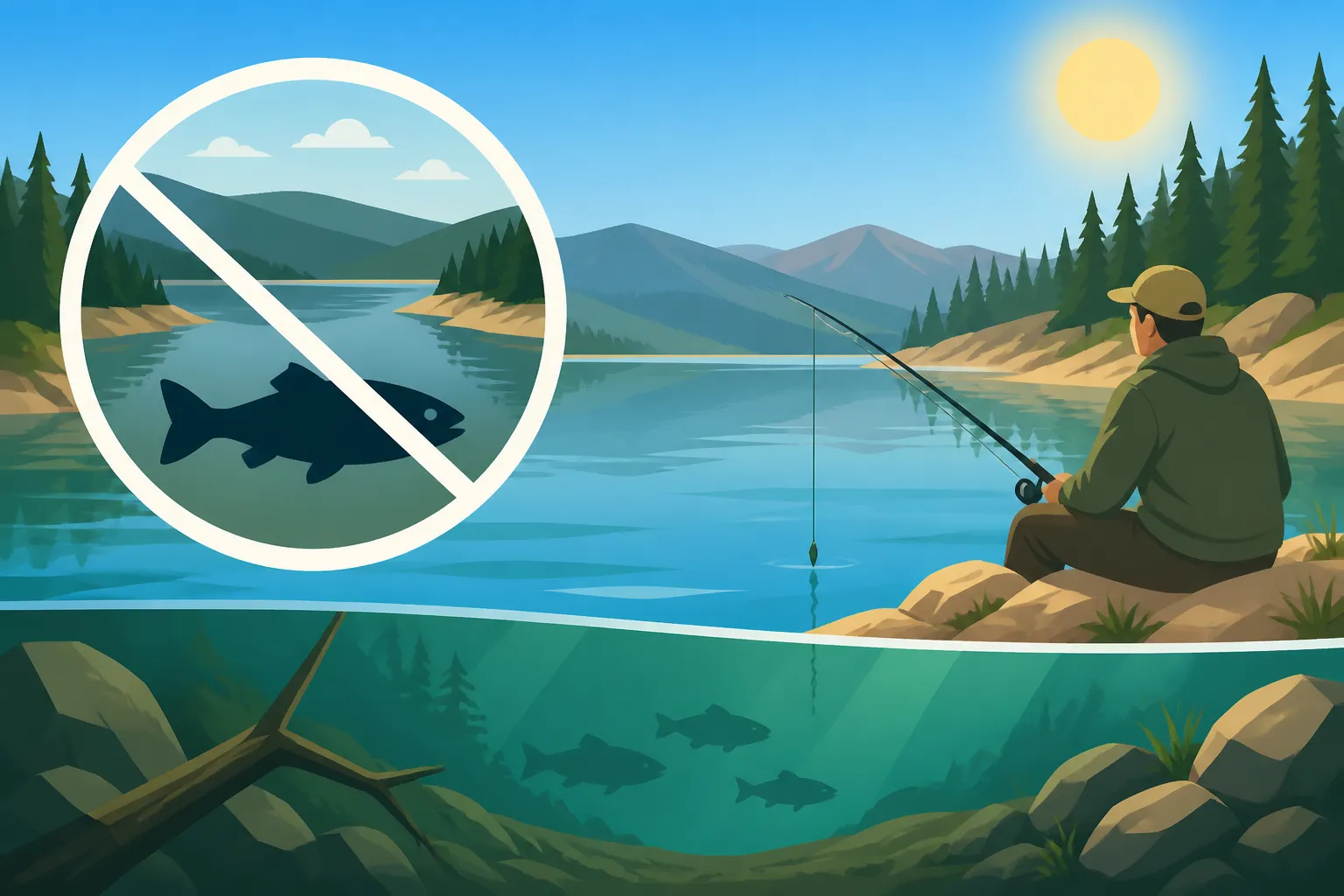
It’s a common frustration for anglers in Idaho: you dream of a peaceful day on the water, only to arrive at your chosen lake or reservoir and find it bustling with jet skis, pontoons, and crowded shorelines. Summer often means sharing our beloved fishing spots with a vibrant, sometimes overwhelming, array of recreational users. But if you’re longing for genuine solitude and a chance to truly connect with nature while wetting a line, this guide will explain why Deadwood Reservoir often remains surprisingly quiet, even during the peak summer months, and how you can experience its serene beauty.
Unraveling Deadwood Reservoir's Unique Quiet Charm
Deadwood Reservoir, nestled deep within the Boise National Forest, isn't your typical bustling summer destination. Its very nature and location conspire to keep the crowds at bay, offering a sanctuary for those who value peace over pizzazz. Understanding these core characteristics is key to appreciating why it remains so tranquil.
Geographical Isolation and Access Challenges
One of the primary reasons Deadwood Reservoir enjoys such summer solitude is its remote location. It's not a place you just stumble upon or decide to visit on a whim. The journey itself is a commitment. Access typically involves navigating roughly 20-30 miles of unpaved, often washboarded, and sometimes challenging gravel roads once you leave the main highways. Depending on your starting point, like from Lowman or Banks, the drive can be slow and dusty, often taking well over an hour or more just for that final stretch.
For many casual visitors, especially those with RVs or large trailers, this road condition alone is a significant deterrent. It requires a more robust vehicle, a slower pace, and a certain level of preparedness for potentially rough terrain. This natural barrier effectively filters out a large segment of the summer recreation crowd who prefer easy, paved access to their campsites and boat launches. There's no quick run to a nearby grocery store or gas station once you're there; you need to bring everything you need with you, which is a different kind of planning than a trip to, say, Lake Coeur d'Alene. This inherent difficulty in reaching Deadwood Reservoir directly contributes to its quiet charm, making it a true escape for those willing to make the effort.
Reservoir Specifics and Primary Fish Species
Deadwood Reservoir itself is a significant body of water, covering about 3,000 acres at full pool. It’s surrounded by a beautiful landscape of pine and fir forests, creating a truly picturesque backdrop for fishing. The reservoir was created in 1929 by the construction of the Deadwood Dam on the Deadwood River, primarily for irrigation. Its depth can fluctuate throughout the season due to irrigation demands, which is something to keep in mind when planning a trip.
When it comes to fishing, Deadwood Reservoir is primarily known for its rainbow trout, kokanee salmon, and yellow perch. While Idaho is famous for its trout fishing, and you can certainly find some decent rainbows here, it’s not typically touted as a "trophy" destination in the same way some other waters are for certain species. For instance, if you're chasing massive Kamloops rainbow trout, you might head to Lake Pend Oreille's Grounds for Trophy Rainbow Trout. The kokanee population can offer good action, especially during peak times, but again, it might not draw the same intense, dedicated angling pressure as other more heavily advertised kokanee fisheries, such as those on Lake Coeur d'Alene. Yellow perch provide a fun, consistent bite for anglers of all skill levels, especially in late summer and into the fall. The fishing can be good, don't get me wrong, but it doesn't always make the headlines, which helps keep the number of highly specialized anglers lower.
What this mix of species and the general fishing reputation create is a fantastic opportunity for anglers who enjoy a steady, relaxing catch without the pressure of seeking a record-breaker or battling crowds. It's a place where you can enjoy the process of fishing, rather than just the outcome.
Why Summer Solitude Reigns at Deadwood
Beyond its remote location, several other factors combine to ensure Deadwood Reservoir remains a peaceful oasis during the summer months when other waters are overflowing with activity. It's a combination of logistical hurdles and the presence of appealing alternatives elsewhere.
Limited Amenities and Infrastructure
Unlike more developed recreation areas, Deadwood Reservoir offers very basic amenities. There are no fancy resorts, no full-service marinas with gas pumps, no bait shops, and certainly no restaurants or convenience stores right on the shore. Camping is available through several primitive campgrounds run by the Forest Service, such as Barney’s, Canyon Creek, and Riverside, but these are rustic, often without potable water or flush toilets, and operate on a first-come, first-served basis, though some may offer reservations through Recreation.gov.
For many families or casual vacationers seeking convenience, this lack of infrastructure is a deal-breaker. People with young children, those new to camping, or individuals who simply prefer the creature comforts of modern life will naturally gravitate toward destinations with more services. Imagine needing to restock ice or grab a forgotten item; it means a long, bumpy drive back out to civilization. This stark reality means that Deadwood primarily attracts self-sufficient campers and anglers who are well-prepared and genuinely seek a more rugged, off-grid experience. If you’re not bringing all your supplies, you might find yourself in a bind. This characteristic also means you won't find many guided fishing trips launching directly from Deadwood, which is a stark contrast to destinations you might research on platforms like FishingBooker, where finding a local expert is usually quite easy.
Alternative Popular Destinations Draw the Crowds
Idaho is blessed with an abundance of stunning lakes and reservoirs, and many of these offer much easier access and a wider array of amenities than Deadwood. When people think of summer lake trips in Idaho, places like Lake Cascade, Lake Coeur d'Alene, or Payette Lake often come to mind first. These are places with paved roads, numerous boat ramps, developed campgrounds with hookups, towns nearby with restaurants and shops, and often, more publicized "trophy" fisheries for certain species.
For instance, Fishing Lake Coeur d'Alene for Kokanee and Chinook or Fishing Cascade Reservoir for Tiger Muskie and Perch offers different experiences that appeal to broader audiences. Lake Cascade, for example, is renowned for its perch fishery and has extensive camping and lodging options. Lake Coeur d'Alene is a major tourist hub, offering everything from scenic cruises to fine dining. These more accessible and amenity-rich destinations naturally siphon off the majority of summer recreational traffic, leaving Deadwood to those who intentionally seek its quiet embrace. If you’re looking to easily book a guided trip for these other locations, FishingBooker can connect you with many local guides. Deadwood, by contrast, is more about self-discovery and independent adventure.
Challenging Fishing Conditions for Some Species
While Deadwood Reservoir offers good fishing, it isn't always the easiest place to consistently land every species, particularly during the dog days of summer. Water levels can fluctuate due to irrigation demands, sometimes making access tricky or concentrating fish in less accessible areas. The clarity of the water can also vary. These conditions can present a challenge for less experienced anglers or those accustomed to more predictable fishing in highly managed waters.
For instance, while kokanee are present, finding their preferred depth and getting them to bite can sometimes be an art form. Trout fishing can be excellent, especially in the cooler mornings and evenings, but the midday sun can push them deeper. This isn't to say fishing is bad, but it requires a bit more patience, skill, and adaptability than simply dropping a line in a heavily stocked pond. Serious anglers chasing specific species might opt for rivers known for their consistent runs of Idaho Steelhead Fishing Guide or places where specific conditions are optimized for their target. This subtle level of challenge, combined with the other factors, helps keep the casual fishing pressure relatively low, ensuring a more peaceful experience for those who do venture out.
Making the Most of Deadwood's Tranquility
So, you're convinced Deadwood Reservoir is the place for your next peaceful angling adventure. Fantastic! To truly appreciate its quiet beauty and maximize your success, it's essential to approach it with the right mindset and preparation. It's a place that rewards those who come prepared to immerse themselves in the wild.
Best Fishing Approaches for Deadwood
When you're out on Deadwood Reservoir, a few key approaches will generally yield the best results for its resident fish species.
- Trolling for Kokanee: This is a popular and often effective method for kokanee. Use small dodgers or flashers in conjunction with wedding rings, hoochies, or small spoons tipped with Shoepeg corn. Vary your depth until you find where the fish are holding. Downriggers are incredibly useful here to precisely target depths, especially when the kokanee move deeper in summer. Early mornings and late evenings are often the most productive.
- Targeting Trout: For rainbow trout, both bait and lures can be effective. PowerBait, worms, or even marshmallows can work well from shore or anchored boats, especially near stream inlets like the Deadwood River. For those who enjoy casting, spinners like Mepps, Rooster Tails, or Panther Martins, along with small spoons, are excellent choices. Fly fishing can also be productive in the calmer bays and along the river inlets, using typical trout patterns like Caddis, Mayfly, or attractor patterns. Exploring how to "read the water" is crucial here; understanding structure and current will greatly enhance your success. You might also find this guide on Best Bait and Lures for Idaho Fishing helpful for specific recommendations.
- Jigging for Perch: Yellow perch are often found in schools, especially around submerged structures, points, and drop-offs. Small jigs tipped with a piece of worm, or even just plain jigging spoons, can be incredibly effective. Look for them on your fish finder, or simply try different depths until you find them. Perch are great fun, especially for kids, and make for excellent table fare.
Remember, flexibility is key. If one method isn't working, don't be afraid to switch it up! This is a reservoir where experimentation often pays off.
Planning Your Trip to a Remote Gem
A successful and enjoyable trip to Deadwood Reservoir hinges heavily on meticulous planning and self-sufficiency. Because of the limited amenities, you are truly on your own once you're there.
- Vehicle Preparation: Ensure your vehicle is in good working order, especially your tires. A spare tire, jack, and tools are non-negotiable for the unpaved roads. Four-wheel drive isn't always required but can be a huge asset, especially if conditions are wet.
- Supplies Galore: Pack everything you'll need: enough food and water for your entire stay, cooking supplies, camping gear (tents, sleeping bags, chairs), trash bags (pack it in, pack it out!), and all your fishing tackle. Don't forget essentials like a first-aid kit, sun protection, bug spray, and extra layers of clothing, as mountain weather can change quickly.
- Navigation: While cell service is spotty at best, having offline maps (like those available on apps such as Gaia GPS or Google Maps with downloaded areas) or even good old-fashioned paper maps is crucial. Know your route in and out.
- Permits and Licenses: Always ensure you have a valid Idaho Fishing License Guide and understand the current Idaho Fishing Regulations Explained for Deadwood Reservoir. The Idaho Fish and Game website is your best resource for up-to-date information. You can often check for current conditions and fire restrictions on the Boise National Forest website before you head out.
- Boat Launch Considerations: If bringing a boat, be aware that launches can be primitive and water levels might affect usability, especially later in the summer. Factor in the long, bumpy road for towing.
This isn't a trip you want to rush or take lightly. But with proper planning, it becomes an incredibly rewarding experience, far from the madding crowds. While FishingBooker is great for finding guided trips in more populated areas, for Deadwood, your best "guide" will be your own research and preparedness.
Respecting the Environment and Fellow Anglers
One of the beautiful things about Deadwood Reservoir's quiet nature is the shared understanding among its visitors: we're all there to enjoy the peace. To ensure it stays that way, practicing good outdoor ethics is paramount.
- Leave No Trace: This is more than just a suggestion here; it's a way of life. Pack out everything you pack in, including all trash, food scraps, and fishing line. Leave your campsite cleaner than you found it. Proper waste disposal, even human waste, is vital in remote areas to protect water quality and wildlife.
- Campfire Safety: Always check for fire restrictions before having a campfire. Even when allowed, keep fires small, contained, and never leave them unattended. Have water and a shovel nearby to fully extinguish them. Wildfires are a constant threat in Idaho's forests.
- Respect Wildlife: You're in their home. Store food properly to avoid attracting bears and other animals. Observe wildlife from a distance and never feed them.
- Minimize Noise: The quiet is why people come here. Keep generators off, music low, and voices respectful. If you encounter another angler, a friendly wave or quiet greeting is usually all that's needed. Don't crowd others' fishing spots.
- Fish Responsibly: Understand and adhere to all Idaho Catch Limits and Bag Limits Explained. Practice ethical catch and release if you're not keeping fish, handling them gently to minimize stress.
By embracing these principles, you not only preserve the pristine environment of Deadwood Reservoir but also contribute to the serene experience that draws so many of us to this hidden Idaho gem. It's a place that truly allows you to disconnect and refresh, far from the hustle and bustle, a stark contrast to the often crowded popular spots you might see advertised through services like FishingBooker.
| Feature / Location | Deadwood Reservoir | Lake Cascade Reservoir (Comparison) |
|---|---|---|
| Access | ~20-30 miles unpaved, often rough roads | Paved roads, easy access from Hwy 55 |
| Amenities | Primitive Forest Service campgrounds, vault toilets, no services | Developed campgrounds (some with hookups), marinas, stores, lodging, restaurants |
| Typical Summer Crowd | Very light, seeking solitude | Moderate to Heavy, family-friendly recreation |
| Primary Fish Species | Rainbow Trout, Kokanee, Yellow Perch | Perch (trophy-sized), Rainbow Trout, Smallmouth Bass, Tiger Muskie |
| Boating | Motorized boats allowed, primitive launches | Motorized boats, extensive launches, rentals available |
| Cell Service | Extremely limited to none | Generally good in most areas |
| Best For | Wilderness experience, quiet fishing, self-sufficient campers | Family trips, diverse recreation, convenience, trophy perch fishing |
Disclaimer
The information provided in this guide is for general informational purposes only and is subject to change. Fishing regulations, road conditions, and local amenities can vary. Always consult the official Idaho Fish and Game website and the relevant Forest Service or Bureau of Land Management offices for the most current rules, conditions, and safety advisories before planning your trip. Angling involves inherent risks; always prioritize safety.