Fishing Henry’s Fork Near Island Park
Navigating the legendary Henry's Fork, especially around the scenic Island Park area, can feel like trying to solve a complex puzzle for even seasoned anglers. Its reputation for challenging, selective trout and diverse waters can leave many wondering where to even begin. This comprehensive guide aims to demystify fishing this iconic stretch of river, offering detailed insights into the prime locations, effective techniques, and crucial tips needed to transform your Henry's Fork aspirations into a truly memorable angling adventure.
The Unique Allure of Henry's Fork Near Island Park
The Henry's Fork, flowing through the vast landscapes of eastern Idaho, holds a special place in the hearts of fly anglers worldwide. Its stretch near Island Park is particularly famous, drawing enthusiasts from across the globe, and for very good reason.
A World-Class Trout Fishery Demanding Respect
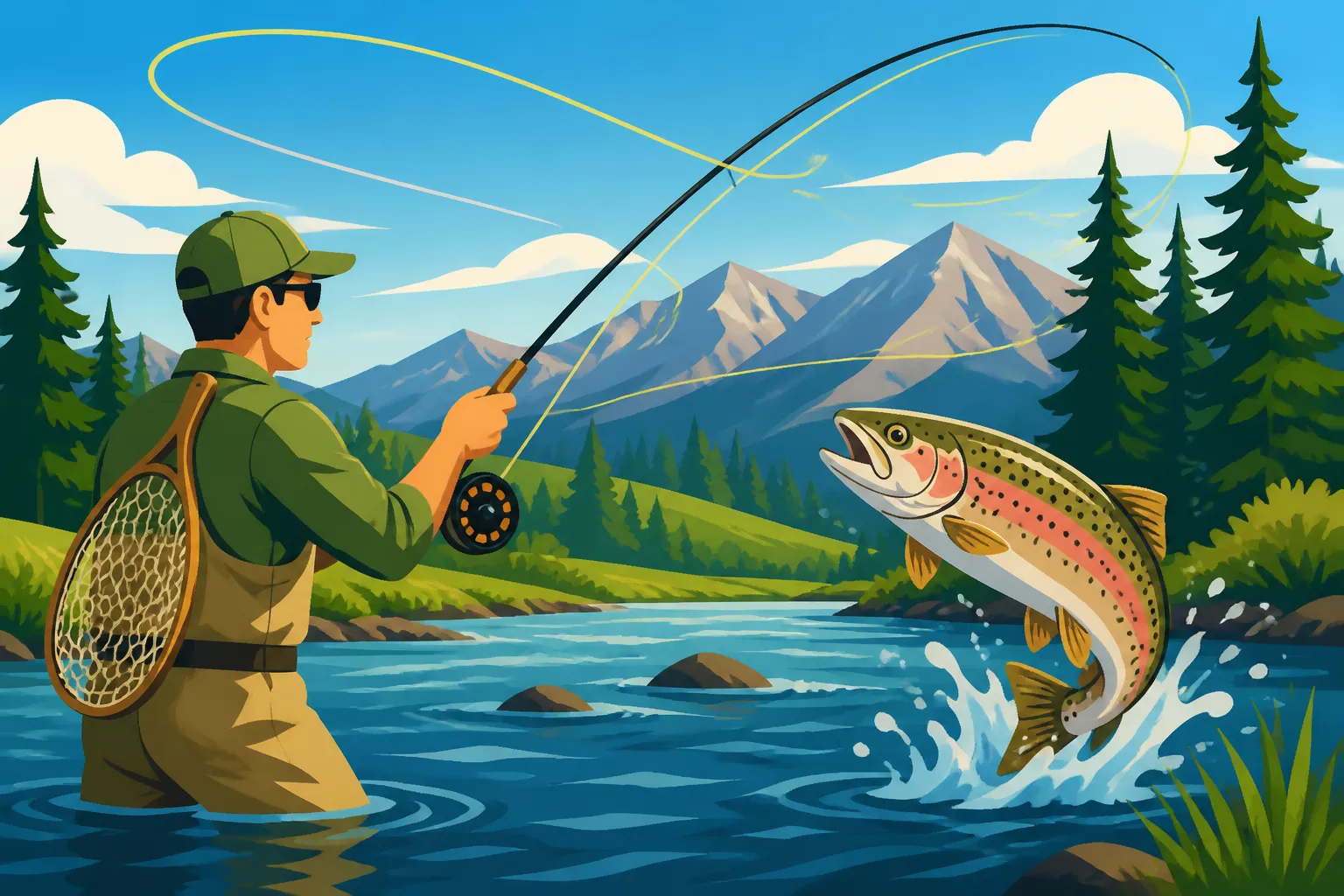
This specific section of the Henry's Fork isn't just a river; it's a living, breathing classroom for advanced fly fishing, renowned for its incredibly consistent and prolific insect hatches. The clear, cold, spring-fed waters create an ideal environment for aquatic insects, leading to an abundance of food for the resident fish. What makes it truly exceptional, however, are the trout themselves. Primarily large, wild rainbow trout, these fish are legendary for their size, their powerful fights, and perhaps most notably, their extraordinary selectivity. They thrive in this rich environment, growing fat and finicky, often demanding meticulous fly selection and near-perfect presentation. Anglers often speak of these "Henry's Fork PhDs" – trout that have seen every fly and every cast, requiring the utmost in skill and stealth.
The riverbed itself is rich with aquatic vegetation, which harbors an endless buffet of nymphs and larvae, contributing to the trout's robust health and challenging nature. Unlike many rivers where a general attractor pattern might suffice, fishing the Henry's Fork often requires precise "matching the hatch," observing what insects are emerging and replicating them down to the smallest detail. It's a place where patience and observation are rewarded as much as casting prowess. This challenge is precisely what draws so many anglers – the satisfaction of fooling one of these intelligent fish on a perfectly presented dry fly is an experience unlike any other.
Island Park: Your Strategic Basecamp to the Fishery
Beyond its inherent fishing qualities, the Henry's Fork benefits immensely from its proximity to the charming community of Island Park. This unassuming town, nestled in eastern Idaho's sprawling wilderness, serves as the ultimate basecamp for anyone looking to explore the upper stretches of the Henry's Fork. It’s strategically positioned to offer unparalleled access to various renowned fishing sections, from the slow, technical waters of the Harriman Ranch to the faster, more rugged Box Canyon, and even the more forgiving braided waters higher up.
Island Park provides all the essential amenities an angler could need: a good selection of accommodations, well-stocked fly shops (which are invaluable for up-to-the-minute hatch information and local fly patterns), restaurants, and a host of experienced guide services. This concentration of resources means you can spend less time driving and more time on the water, whether you're heading out for an early morning hatch or grabbing a quick lunch before an afternoon session. The ability to pivot between different types of water based on conditions or personal preference, all within a short drive, is a huge advantage offered by Island Park. It’s a true angler's hub, providing both convenience and a deep connection to the river's rich fishing culture.
Prime Fishing Locations Around Island Park
The Henry's Fork near Island Park offers a diverse array of water types, each presenting its own unique challenges and rewards. Knowing these specific sections is key to planning a successful trip.
Harriman State Park: The Legendary Ranch Section
Often simply referred to as "The Ranch," this iconic stretch of the Henry's Fork, flowing through Harriman State Park, is perhaps the most famous and, dare we say, infamous section of the entire river. It's a place of almost spiritual significance for dry fly purists. The water here is slow-moving, often glassy smooth, and incredibly clear, making every ripple and every rising fish visible. This transparency, combined with the often-dense weed beds, means the trout are highly exposed and incredibly selective. They grow large by being smart, and they demand nothing less than a perfect, drag-free drift of a precisely matched fly.
Fishing the Ranch is not about numbers; it’s about the quality of the experience and the immense satisfaction of outsmarting one or two truly special fish. The long, delicate leaders, tiny flies, and stealthy approaches are the name of the game here. You'll often find yourself sight-fishing to individual rising fish, trying to present your imitation without spooking them. Access to certain areas within Harriman State Park can be controlled, sometimes requiring reservations during peak seasons, adding to its revered status. The stunning backdrop of the distant Tetons makes every cast, every rise, and every moment spent on the Ranch an unforgettable memory, regardless of your catch count. It’s a section that epitomizes why many refer to this water as "Henry's Fork's Most Technical Water for Fly Anglers."
Box Canyon and Below Henry's Lake Outlet: A Different Kind of Challenge
For those seeking a departure from the delicate nature of the Ranch, the Box Canyon, located immediately downstream from the Island Park Dam, offers a completely different, yet equally rewarding, experience. Here, the river narrows and quickens, tumbling over rocks and through rapids, creating a more rugged and fast-paced environment. This section is known for its consistent nymphing and streamer fishing, as the faster currents often keep trout more focused on subsurface prey. Access can be a bit more challenging, often requiring a drift boat or raft, making it a popular choice for guided trips. However, the rewards are powerful, hard-fighting rainbow trout that often strike with aggressive abandon, providing an exhilarating contrast to the subtle takes on the Ranch. Many anglers find the Box Canyon to be an excellent choice during higher flows or when dry fly activity is slow elsewhere.
Further upstream, near the outlet of Henry's Lake, the river takes on a different character again. Here, the Henry's Fork flows as a series of braided channels and smaller, more intimate water. These sections can be incredibly productive, especially earlier in the fishing season before some of the downstream areas get too much pressure. It's often a great spot for both dry fly fishing and nymphing, with opportunities to target both rainbow trout and, in some of the upper reaches, the beautiful native Yellowstone cutthroat trout. These headwater sections are often more approachable for anglers looking for a less crowded experience and can offer fantastic early-season action.
The Railroad Ranch to Ashton: Diverse Waters and Wider Opportunities
As the Henry's Fork continues its journey downstream from Harriman State Park, it transforms once more, flowing through a varied landscape of both private and public lands as it makes its way towards the town of Ashton. This expansive stretch offers a diverse range of fishing experiences, from more technical dry fly opportunities in calmer sections to wider, deeper waters that are well-suited for nymphing, streamer fishing, and even some spin-fishing, depending on the specific regulations and water type. Public access points are scattered throughout this section, allowing anglers to explore different habitats and find less crowded spots.
This part of the river can be particularly appealing for those who want to cover more water or prefer a slightly less pressured environment than the highly acclaimed sections upstream. The river here often presents a more "big river" feel, with numerous braided channels, riffles, deep pools, and significant current breaks that hold fish. Successfully navigating this stretch often involves understanding the various flow patterns and finding pockets where trout are likely to lie in wait. While perhaps not as famously "technical" as the Ranch, the lower Henry's Fork still demands careful observation and adaptable tactics, offering ample opportunities for anglers to find success and connect with quality fish throughout the season.
Essential Techniques, Flies, and Gear for Henry's Fork
Successfully fishing the Henry's Fork, especially near Island Park, demands a specific understanding of techniques and gear. It's a river that rewards preparedness and precision.
Dry Fly Fishing: The Quintessential Henry's Fork Experience
The Henry's Fork's international fame largely stems from its unparalleled dry fly fishing. This isn't just about casting a dry fly; it's about mastering the art of the perfect, drag-free drift to incredibly selective trout that rise with a delicate sip. Anglers travel thousands of miles for the chance to target these fish during the river's legendary hatches. Success here isn't just about fly selection, it's about everything working in concert: presentation, leader length, tippet size, and your ability to "read" the water and the fish.
The river experiences a series of prolific insect hatches throughout its open season. The famed Salmonfly hatch, typically in late May and early June, kicks off the season with a bang, often bringing out some of the largest trout to feed aggressively on these massive bugs. This is followed by equally impressive hatches of Green Drakes, particularly on the Ranch section, Pale Morning Duns (PMDs), and various caddis species throughout the summer. Later in the season, tiny Tricos can bring thousands of fish to the surface, demanding micro-sized flies and ultimate stealth. Keeping up with the hatch schedule is paramount, and local fly shops in Island Park are indispensable for the most up-to-the-minute information on what's hatching and what the fish are keying in on. Many anglers reference resources like "What Flies to Use on Henry's Fork in Summer" to prepare their fly boxes.
Nymphing and Streamer Tactics: Consistent Alternatives
While the allure of dry fly fishing is undeniable, nymphing often proves to be the most consistent and productive method for catching fish on the Henry's Fork, especially outside of those peak hatch windows or in the faster, deeper sections like the Box Canyon. Trout spend the vast majority of their time feeding subsurface, and the Henry's Fork is no exception. Techniques such as indicator nymphing, where a small strike indicator helps detect subtle takes, or more modern European nymphing methods (like Czech or French nymphing) which allow for direct contact and feel, can be highly effective.
Your fly box should be well-stocked with a variety of nymph patterns that imitate the river's abundant aquatic insects. Large stonefly nymphs like Pat's Rubber Legs are excellent for probing deeper runs, while various caddis larva and pupa patterns (e.g., LaFontaine's Sparkle Pupa, Egan's Rainbow Warrior) are always reliable. Mayfly nymph imitations, such as Pheasant Tails, Prince Nymphs, and Barr's Emergers, are also essential. When targeting larger, more aggressive fish, especially during higher flows or overcast days, streamer fishing can be incredibly exciting. Patterns like Sculpzillas, Sex Dungeons, or various Woolly Bugger variations stripped through deeper pools, along undercut banks, or swung through current seams can trigger powerful strikes. These subsurface tactics offer a great alternative when the trout aren't looking up.
Gear Considerations for the Discerning Angler
Choosing the right gear for the Henry's Fork can significantly impact your success and enjoyment. For the slow, technical dry fly waters of the Ranch, a sensitive 9-foot, 4 or 5-weight fly rod with a fast action yet delicate tip is often preferred. This setup allows for precise presentations of small flies and protects light tippets. For more all-around versatility, especially if you plan on nymphing or throwing modest streamers, a 9-foot, 5 or 6-weight rod might be a better choice.
A high-quality fly reel with a smooth, reliable drag system is crucial, as the Henry's Fork's strong rainbow trout can put up quite a fight. Fly lines should match your chosen technique; weight-forward floating lines are standard, but specialized nymphing lines or even sinking tip lines can be advantageous for specific situations. When it comes to leaders and tippets, think long and light. Leaders of 10-12 feet, tapered down to 4x, 5x, or even 6x fluorocarbon tippet, are common on the technical sections. Fluorocarbon offers excellent stealth and abrasion resistance in the clear water.
Don't forget essential accessories: breathable waders and sturdy wading boots with felt or sticky rubber soles are necessary for safe wading, as the river bottom can be slick. A quality landing net with a rubber bag helps protect the fish. Finally, polarized sunglasses are absolutely critical for spotting subtle rises, identifying submerged structure, and protecting your eyes from stray hooks or the sun's glare. A well-prepared angler is a successful angler on the Henry's Fork.
Planning Your Henry's Fork Adventure
A successful trip to the Henry's Fork involves more than just knowing where to cast; it requires understanding the river's rhythms, rules, and how to best prepare.
Understanding Seasons and Flows: Timing Your Visit
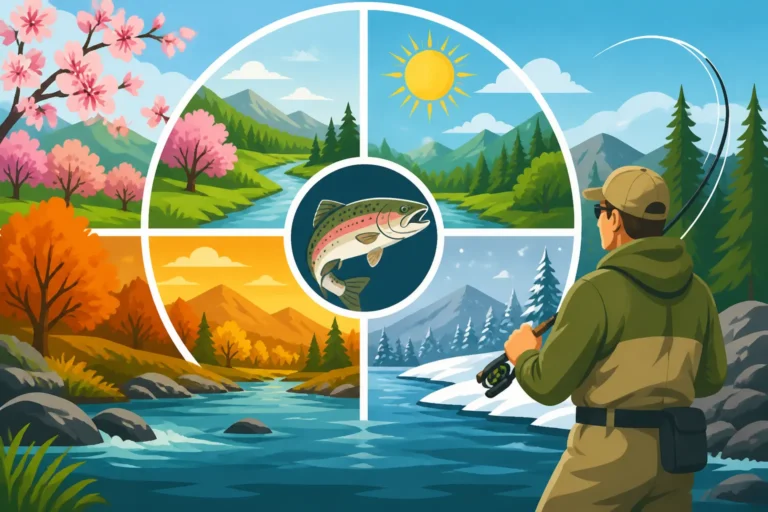
The Henry's Fork is a dynamic fishery, and its character changes dramatically throughout the year. The prime fishing season generally kicks off in late spring, typically around late May or early June, with the legendary Salmonfly hatch. This period is often marked by high water flows and aggressive fish, drawing a crowd of eager anglers. As summer progresses, the river settles into a steady rhythm of various mayfly and caddis hatches, offering consistent dry fly action through July and August. Fall brings cooler temperatures, often fewer crowds, and robust fishing as trout feed heavily in preparation for winter. While challenging, winter fishing can also offer opportunities for hearty anglers willing to brave the cold for a chance at a large fish. For a broader overview, you can always check an "Idaho Fishing Season Calendar."
Crucially, water flows on the Henry's Fork are significantly influenced by the Island Park Dam, which regulates the water released from Island Park Reservoir. These flows directly impact fishing conditions, determining where fish hold, what techniques are effective, and how safe wading might be. Before any trip, it is absolutely essential to check current flow rates on the Idaho Fish and Game website or, even better, by calling one of the local fly shops in Island Park. High flows might dictate more nymphing and streamer fishing, while lower, clearer flows are often ideal for the river's signature technical dry fly presentations. Paying attention to these flow reports, alongside the general "Best Time of Year to Fish in Idaho" guidelines, can make or break your trip.
Navigating Regulations and Ethical Angling Practices
Fishing the Henry's Fork requires not only skill but also a keen awareness of local regulations and a commitment to ethical angling. The rules can be specific and vary by section, including special restrictions on lure types (often flies and artificial lures only), bait restrictions, and strict catch-and-release mandates for certain areas or species. For example, many sections, particularly the Ranch, are designated "fly fishing only" and often require barbless hooks. This is not merely a suggestion; it's a legal requirement designed to protect the fragile resource. Always consult the most current "Idaho Fishing Regulations Explained" brochure or the Idaho Fish and Game website before you head out, as regulations can change from year to year. Familiarize yourself with "Idaho Barbless Hook Requirements" to ensure compliance.
Beyond the letter of the law, practicing good stream etiquette is vital, especially on a popular and hallowed river like the Henry's Fork. This means giving other anglers plenty of space – sometimes 100 yards or more – to avoid disturbing their water. It means wading carefully and minimally, recognizing that unnecessary wading can spook fish and disturb insect life. Most importantly, always handle fish with the utmost care. Keep them in the water as much as possible, use wet hands when handling, and release them gently to ensure their survival. This collective responsibility preserves the health of the fishery for everyone who seeks to experience its magic.
Considering a Guided Trip: Elevating Your Experience
For many anglers, especially those new to the Henry's Fork or those seeking to unlock its deeper secrets, booking a guided trip can be an invaluable investment. The Henry's Fork is notoriously complex, and local guides possess an intimate knowledge of the river that is simply impossible to gain in a short visit. They know precisely where the fish are holding, what insects are hatching at any given moment, and the specific techniques required for success on that particular day. A skilled guide can fast-track your learning curve, teach you subtle presentation nuances, and significantly increase your chances of connecting with fish.
There are numerous reputable outfitters and individual guides operating in and around Island Park, specializing in various sections and techniques. Doing your homework to find the right fit is key. Websites like FishingBooker can be an excellent resource for exploring different guide services, comparing their offerings, checking availability, and reading reviews from other anglers. When you're considering a guide, don't hesitate to reach out directly to discuss your experience level, what you hope to achieve, and any specific areas of the river you're interested in. Whether you're looking for a float trip down the Box Canyon or a wade trip on the Harriman Ranch, a good guide can tailor the experience to you, making your Henry's Fork adventure far more rewarding. For more options, check out the "Idaho Fishing Guides and Charters Directory" or specifically look into "Fly Fishing Guides in Island Park."
| Section | Key Characteristics | Primary Techniques | Target Species | Best Time of Year |
|---|---|---|---|---|
| Harriman State Park (Ranch) | Slow, clear, spring creek-like | Dry Fly, Sight Fishing | Large Rainbow Trout | Mid-June to September |
| Box Canyon | Fast, turbulent, rugged | Nymphing, Streamers | Rainbow Trout | Spring, Fall, High Water |
| Below Henry's Lake Dam | Braided, varied flows | Dry Fly, Nymphing | Rainbow, Cutthroat Trout | Early Summer, Fall |
| Railroad Ranch to Ashton | Wider, diverse structure | Dry Fly, Nymphing, Streamers | Rainbow, Brown Trout | Spring, Summer, Fall |
Disclaimer
The information provided in this guide is for general informational purposes only. Fishing regulations, seasons, and conditions in Idaho can change frequently. Always consult the latest official Idaho Fish and Game regulations and local advisories before planning and embarking on any fishing trip. Safety should always be your top priority when enjoying the outdoors.