Fishing the Clearwater River for Steelhead
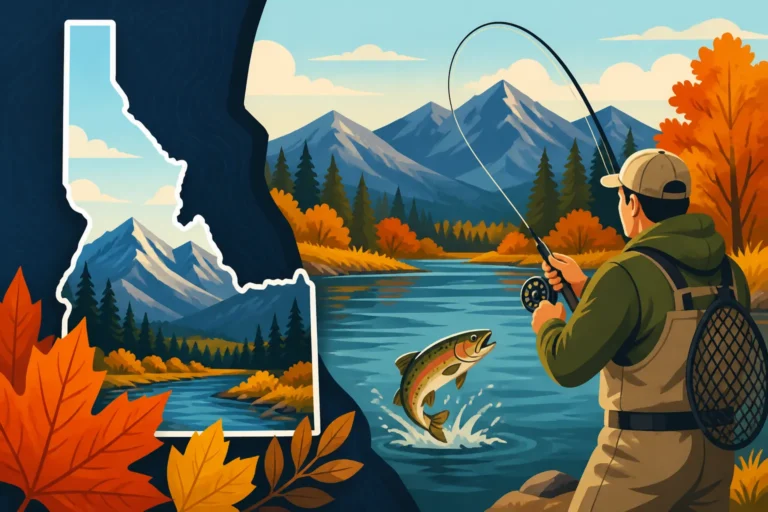
The Clearwater River, with its deep green pools and spirited runs, calls to anglers from across the country, but let's be honest, chasing steelhead here can feel like trying to solve a complex puzzle. These incredible anadromous rainbow trout are notoriously challenging, making many an angler wonder if they’ll ever crack the code. This guide aims to demystify the art and science of fishing the Clearwater River for steelhead, providing you with the comprehensive knowledge you need to turn those dreams into unforgettable fishing trips.
Understanding Clearwater River Steelhead
Before you even think about casting a line, it's crucial to grasp what makes Clearwater River steelhead so special and, frankly, so tough to catch. These aren't just any rainbow trout; they're ocean-going warriors that undertake incredible migrations, and their unique biology directly impacts how and where you'll find them.
The Clearwater's Unique Steelhead Runs
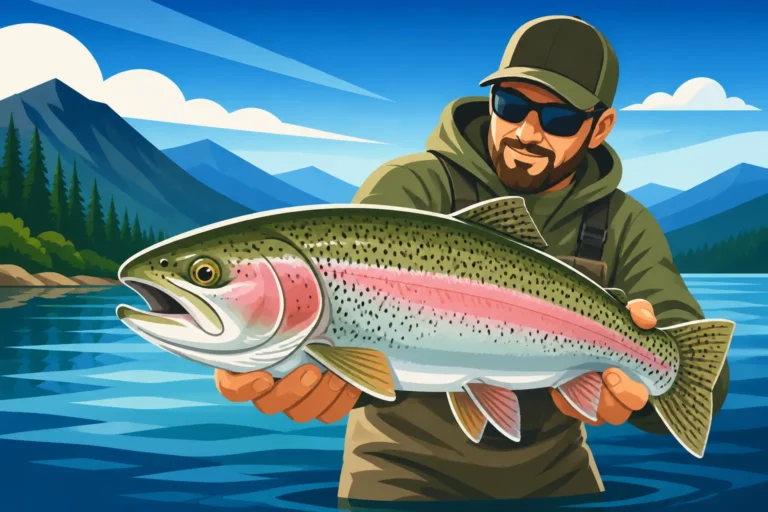
The Clearwater River is famous for its fall and spring steelhead runs. These fish are essentially sea-run rainbow trout, meaning they hatch in freshwater, migrate to the ocean to grow, and then return to their natal rivers to spawn. The journey itself imbues them with incredible strength and a finicky nature that challenges even the most seasoned anglers. The Clearwater's main stem and its tributaries, like the North Fork and Middle Fork, provide vital spawning and rearing habitat, drawing these powerful fish back year after year.
What's particularly fascinating about the Clearwater is the sheer number of fish that can return, especially during strong years. Unlike some other rivers, the Clearwater benefits from hatchery programs that supplement the wild runs, creating a robust fishery that can sustain catch-and-keep opportunities for marked fish. Understanding the timing and strength of these runs, which are heavily influenced by ocean conditions and river flows, is your first step toward success. The Idaho Department of Fish and Game provides regular updates on fish counts at the Lower Granite Dam, which is an invaluable resource for knowing what to expect on the river.
Hatchery vs. Wild Steelhead Identification
One of the most critical aspects of steelhead fishing on the Clearwater, and indeed across Idaho, is being able to distinguish between hatchery and wild steelhead. This isn't just a matter of curiosity; it's a legal requirement with serious implications for conservation. Wild steelhead are a protected species, and it is illegal to retain them. Hatchery steelhead, on the other hand, often have a clipped adipose fin, a small, fleshy fin located between the dorsal fin and the tail.
Anglers are strictly required to release all wild steelhead unharmed, typically without even removing them from the water. This practice helps ensure the continued health of the wild populations. Learning How to Tell a Hatchery Steelhead from a Wild One in Idaho is absolutely essential before you hit the water. It’s not always as straightforward as it sounds, especially with a lively fish in cold water, so practicing quick identification and mastering responsible catch-and-release techniques are paramount for any Clearwater steelhead angler.
Steelhead Behavior in River Conditions
Steelhead behavior is heavily dictated by river conditions, including water temperature, clarity, and flow. These factors influence where fish hold, how aggressively they bite, and which techniques will be most effective. For instance, in colder water, steelhead tend to be lethargic and will often hold in deeper, slower pools, conserving energy. They might be less inclined to chase a fast-moving lure and more receptive to a subtle presentation.
Conversely, as water temperatures rise in late fall or early spring, steelhead can become more active, moving into faster currents and exhibiting more aggressive feeding patterns. Water clarity also plays a huge role; clear water often necessitates lighter lines and more natural presentations, while a slight stain can make fish less wary and more apt to strike larger, brighter offerings. Keeping a close eye on the river's pulse – its temperature, clarity, and discharge rates – through resources like USGS water data is as important as checking the weather forecast.
Key Seasons and Timing for Clearwater Steelhead
Timing is everything when it comes to steelhead fishing. The Clearwater River sees two distinct steelhead runs, each with its own characteristics and best fishing windows. Knowing when to go and what to expect during each season will dramatically increase your chances of success.
Fall Steelhead Season October-December
The fall steelhead season on the Clearwater River typically kicks off in late September or early October and continues strongly through December. This is often considered the prime time by many anglers, as the weather is still relatively mild, and the fish are fresh from the ocean, full of vigor and fight. These early arrivals are often referred to as "A-run" steelhead, and they are renowned for their strength and aerial acrobatics.
During this period, the river often has good water levels from earlier rains, and water temperatures are gradually dropping, which can put the fish into a consistent holding pattern. Areas from Lewiston upstream to Orofino and beyond often hold good numbers of fish. This is when techniques like side-drifting bait or jigs, as well as back-trolling plugs, really shine. It’s also a fantastic time for fly anglers who enjoy swinging flies. Be prepared for crowds, especially on weekends, as this is a highly anticipated season. Checking the Idaho Fishing Season Dates and Limits is crucial as dates and specific regulations can change annually.
Winter and Spring Steelhead Season January-April
As the calendar turns to January, the Clearwater transitions into its winter and spring steelhead season, often referred to as the "B-run." These fish are typically larger and fewer in number but are highly sought after for their trophy size. The weather can be much harsher, with freezing temperatures, snow, and ice presenting additional challenges. However, for those willing to brave the elements, the rewards can be substantial.
This season continues through April, with fish pushing further upstream to spawn. Water levels can fluctuate dramatically due to snowmelt, and temperatures remain cold. Fish will often hold in deep, slow holes or behind major current breaks, conserving energy. This calls for slower, more methodical presentations, often involving jigs and bobbers or heavily weighted drift setups. While the bite might be tougher, landing one of these massive winter steelhead is a bucket-list achievement for many. For detailed insights on winter tactics, consider exploring resources on Fall Steelhead Fishing Techniques on the Clearwater and Salmon Rivers, as many principles apply.
Understanding Water Conditions and Flow
Beyond just the time of year, understanding daily water conditions and flow rates is paramount for success on the Clearwater. The river is a dynamic system, constantly changing with weather patterns, dam releases, and snowmelt. A clear, stable flow is generally preferred, as fish are more predictable in their holding lies and less likely to be spooked. High, muddy water, often a result of heavy rain or rapid snowmelt, can scatter fish and make presentations incredibly difficult.
Conversely, extremely low and clear water conditions, particularly in late fall or early spring, can make steelhead incredibly wary. In such conditions, stealth, lighter lines, and smaller, more natural baits or flies become essential. Monitoring online resources like the USGS streamflow gauges for the Clearwater River near Lewiston, Orofino, and Spaulding provides real-time data on discharge (CFS), water height, and temperature. This information, updated hourly, can be the difference between a frustrating day and a fantastic one. It allows you to anticipate changes and adjust your approach, or even decide if it's worth making the drive to the river at all.
Top Fishing Zones on the Clearwater River
The Clearwater River offers a diverse range of water types, from broad, sweeping sections near its mouth to tighter, more intimate runs further upstream. Each area presents its own set of challenges and opportunities for steelhead anglers. Understanding these zones is key to finding where the fish are holding and adapting your strategy accordingly.
Lower Clearwater River Hotspots Lewiston to Orofino
The section of the Clearwater River from its confluence with the Snake River in Lewiston, upstream to Orofino, is arguably the most popular and accessible for steelhead fishing. This stretch is characterized by wider, deeper channels, numerous public access points, and several boat ramps, making it ideal for both bank anglers and those fishing from drift boats or jet boats. The fish entering the river first congregate here, making it a hotspot for early-season action.
Key areas to consider include the confluence itself (Hells Gate area), the expansive gravel bars and deeper pools around North Lewiston and Clarkston, and the stretches around Arrow, Lenore, and Orofino. Bank access is excellent at sites like Hells Gate State Park, Memorial Bridge, and various pull-outs along Highway 12. Boat anglers will find plenty of ramps, and these lower sections are where jet boats truly shine, allowing access to prime runs and swift current breaks. Many anglers looking for a guided experience in this area will use services like FishingBooker to find knowledgeable local captains who specialize in these lower river sections.
Middle and Upper Clearwater Sections Orofino Upstream
Beyond Orofino, the Clearwater River begins to narrow and gain more character, with a mix of boulder gardens, faster rapids, and longer, more defined runs. This stretch, encompassing areas like Dworshak Dam tailrace, Kooskia, and Syringa, often holds steelhead later into the season as they push upstream towards their spawning grounds. While still navigable by jet boat in many places, drift boats and rafts become more practical in certain sections, and dedicated bank anglers can find secluded spots.
The Dworshak Dam tailrace, in particular, is a major draw. The consistent cold water released from the dam can keep fish active and concentrated, especially during warmer spells when other parts of the river might be too warm. Further upstream, the river takes on a more remote feel, with less pressure but often requiring more effort to access prime water. These middle and upper reaches are particularly rewarding for anglers who prefer a quieter experience and are willing to put in the legwork.
Tributary Mouths and Confluences
Don't overlook the mouths of the Clearwater's numerous tributaries. Areas where smaller streams like the Potlatch River, Lapwai Creek, and the Selway or Lochsa rivers merge with the main stem often act as staging areas or travel corridors for steelhead. These confluences can provide crucial temperature breaks, oxygenated water, or simply offer a brief respite for migrating fish. Steelhead will frequently stack up at these junctions, waiting for optimal conditions or simply resting before continuing their journey.
Fishing the seams and current breaks at these confluences can be incredibly productive. The slightly different water color or temperature from the tributary can create distinct fishing lanes where steelhead are more inclined to hold or feed. These spots are often accessible to both bank anglers and those in boats, but knowing the specific contours and underwater structure of each confluence is vital. Scouting these areas, either physically or by studying aerial maps, can give you a significant advantage.
Effective Techniques for Clearwater Steelhead
Catching steelhead on the Clearwater River is often about presenting your offering right in front of the fish's nose, coaxing a bite rather than relying on an aggressive chase. Different techniques excel in varying conditions and river sections, so having a versatile arsenal is a huge advantage.
Drift Fishing and Side-Drifting
Drift fishing is arguably the most traditional and effective method for Clearwater steelhead. It involves using weights (like slinky weights or pencil lead) to bounce bait or lures along the river bottom, imitating natural food items drifting downstream. The goal is to present your offering as naturally as possible, just above the riverbed, where steelhead often hold. This technique is particularly potent in runs with moderate current and consistent depth.
Side-drifting takes this a step further, often employed by boat anglers. The boat is strategically maneuvered (often using a kicker motor or oars) to drift sideways down a run, allowing multiple lines to cover a wide swath of water while maintaining bottom contact. This method is incredibly efficient for covering large amounts of water and presenting baits like cured roe, shrimp, or small jigs. Successful side-drifting requires excellent boat control and a keen understanding of current dynamics, but when done right, it can be deadly. Guides often specialize in this technique, and finding a reputable one through a platform like FishingBooker can provide invaluable hands-on learning.
Jig and Bobber Float Fishing
The jig and bobber, or float fishing, technique has exploded in popularity on the Clearwater, especially in recent years. It involves suspending a lead-head jig (often tipped with a bead, yarn, or bait) beneath a specialized float (bobber) that rides high on the water. The float keeps your offering at a consistent depth, allowing it to drift naturally through a suspected holding lie without snagging the bottom. This method is exceptionally effective in deeper pools, slower runs, or when fish are holding tight to structure.
The beauty of float fishing lies in its sensitivity. Any subtle dip or hesitation of the float signals a bite, allowing for quick hooksets. Popular jig colors vary, but pink, orange, chartreuse, and black are common producers. Many anglers will tip their jigs with a small piece of cured roe or a plastic worm for added scent and appeal. This method offers a more visual fishing experience and can be incredibly exciting when that float suddenly disappears beneath the surface. For those interested in mastering this method, researching specific float fishing setups for steelhead can be very beneficial.
Back-Trolling Plugs and Bait
When fishing from a boat, particularly a jet boat, back-trolling plugs or bait is a highly effective tactic, especially in faster, deeper runs. This technique involves slowly moving the boat upstream against the current, allowing diving plugs (like Mag Lip or Wiggle Wart varieties) or baited divers to work their way downstream, hugging the river bottom. The plug's erratic action and vibration often trigger an aggressive strike from steelhead.
Back-trolling is excellent for covering long stretches of river and can be particularly productive when fish are spread out or when they're holding in seams and current breaks. When using bait, commonly cured roe or shrimp, it's often presented on a diver or a three-way swivel rig. The key is to find the right amount of weight and the correct plug dive depth to keep your offering in the strike zone. This method allows for a very methodical approach to breaking down prime steelhead water, and experienced guides on the Clearwater often employ it with great success, especially during peak seasons.
Fly Fishing for Steelhead
For the dedicated fly angler, the Clearwater River offers exceptional opportunities to target steelhead with a fly rod. While perhaps not as productive in terms of numbers as gear fishing, the challenge and reward of hooking a chrome bright steelhead on a fly are unparalleled. Fly fishing methods generally fall into two main categories: swinging flies and nymphing.
Swinging flies involves casting across and downriver, allowing a weighted streamer or spey fly to swing through the current. This method relies on the steelhead's instinct to strike at a moving object, often triggering an aggressive take. Spey rods are commonly used for their ability to cast heavy lines and large flies long distances, covering significant water. Nymphing, on the other hand, is a more subtle approach, involving suspending weighted nymphs (often egg patterns, Stoneflies, or Prince Nymphs) under an indicator, similar to the jig and bobber method in gear fishing. This allows for a dead drift presentation, targeting fish holding in deeper water or slower currents. Best Flies for Idaho Steelhead vary by season and water conditions, but classic patterns like the Skagit Muddler, Intruder, and various egg patterns are consistent producers.
Gear Essentials for Clearwater Steelhead Anglers
Having the right equipment can make all the difference between a challenging but rewarding day and a frustrating one. Steelhead are powerful fish, and the Clearwater River can be demanding, so investing in appropriate gear is crucial.
Rods, Reels, and Line for Steelhead
For gear anglers, a medium-heavy spinning or casting rod, typically 9 to 11 feet in length, is ideal. This length provides the leverage needed to fight powerful fish and manage longer drifts. Look for rods with a fast action tip for sensitivity but enough backbone to handle a strong steelhead. Popular choices include specific steelhead or salmon rods designed for durability and power. For side-drifting or back-trolling, a slightly shorter, more powerful rod (8.5-9.5 feet) might be preferred. Best Rod Setup for Idaho Steelhead Fishing will often involve a robust baitcasting or spinning reel capable of holding at least 200 yards of 15-20 lb monofilament or braid.
When it comes to line, many anglers opt for a main line of 15-20 lb braided line, which offers superior sensitivity and casting distance. This is then typically connected to a fluorocarbon or monofilament leader of 10-15 lb test, which is more abrasion-resistant and less visible in the water. For fly anglers, a 7-8 weight spey or switch rod with an appropriate fly line (Skagit or Scandi head) is standard for swinging flies. For nymphing, a 10-11 foot 7 weight single-hand fly rod is a common choice.
Baits, Lures, and Flies that Work
Steelhead on the Clearwater can be finicky, and what works one day might not work the next. Having a variety of offerings is key. For bait fishermen, cured salmon roe (roe bags), sand shrimp, and prawns are traditional and highly effective choices. These natural baits offer scent and a familiar food source. Artificial alternatives include scent-infused soft plastics, rubber worms, and plastic beads.
Lures encompass a wide array of options. Diving plugs like Luhr Jensen Kwikfish (especially K15 and K16), Brad's Wiggler, and Yakima Bait Company Mag Lip (3.5 and 4.0 sizes) are phenomenal for back-trolling. Jigs, ranging from 1/8 oz to 1/2 oz, in colors like pink, cerise, orange, and chartreuse, are staple for float fishing. Spin-n-Glos, usually combined with bait, are also very popular for drift fishing. Fly anglers will want a selection of weighted streamers (Intruders, Steelhead Scampi), traditional wet flies (Green Butt Skunk, Purple Peril), and various egg patterns for nymphing.
Waders, Boats, and Accessories
Comfort and safety on the Clearwater are paramount. Quality breathable chest waders are essential for staying dry and warm, allowing you to access prime bank fishing spots or wade out from a boat. Paired with sturdy wading boots, you'll be able to navigate slippery rocks and uneven riverbeds. For boat owners, a reliable drift boat or jet boat is ideal, offering mobility and access to remote sections. If you're without a boat, consider hiring a guide through a platform like FishingBooker, as they'll provide the vessel and expertise.
Beyond the big-ticket items, don't forget essential accessories. A long-handled landing net with a rubberized mesh is critical for safely landing and releasing steelhead. Pliers, line clippers, a measuring tape, and a scale are also invaluable. Polarized sunglasses will help you spot fish and navigate underwater structure. Finally, always carry plenty of water, snacks, appropriate layers of clothing for changing weather, and a first-aid kit. A well-prepared angler is a successful angler.
Navigating Regulations and Conservation
Fishing for steelhead in Idaho comes with a distinct responsibility, both to follow the rules and to contribute to the long-term health of these incredible fish populations. Understanding and adhering to regulations is non-negotiable.
Idaho Steelhead Regulations and Permits
Idaho's fishing regulations are designed to manage fish populations sustainably, and they can be quite specific, especially for anadromous species like steelhead. Before you even pack your bags, you must purchase an Idaho Fishing License Guide for the current year. On top of that, a separate Idaho Salmon and Steelhead Permit is required to legally fish for steelhead. This permit helps fund conservation efforts specific to these migratory fish.
Regulations often include specific bag limits (the number of fish you can keep), possession limits, and size restrictions. These can vary not only by year but also by specific river section or even time of the season. For instance, some areas might be catch-and-release only, while others allow retention of hatchery-marked fish. It's imperative to consult the current Idaho Fishing Regulations Brochure and any in-season updates from the Idaho Department of Fish and Game. Ignorance of the rules is not an excuse, and violations can lead to hefty fines and loss of fishing privileges.
Catch and Release Practices
Given the conservation status of wild steelhead, mastering proper catch-and-release techniques is critical. Even if you're targeting hatchery fish, you will undoubtedly hook wild ones, which must be released unharmed. The key principles include minimizing fight time, keeping the fish in the water as much as possible, handling it gently with wet hands, and using a knotless, rubberized landing net to reduce scale and slime coat damage.
Avoid dragging fish onto river banks or boat floors. If taking a photo, do it quickly with the fish partially submerged. When releasing, hold the fish gently in the current, facing upstream, until it regains its strength and swims away on its own. Using barbless hooks can also make releasing fish much easier and less traumatic. Remember, every wild fish that swims away healthy is another fish that can contribute to future generations. These practices aren't just good etiquette; they are vital for the future of the Clearwater's steelhead fishery.
Supporting Steelhead Conservation
Beyond just following the regulations, true stewards of the Clearwater fishery actively support steelhead conservation. The cost of your Idaho fishing license and steelhead permit directly contributes to Idaho Fish and Game's efforts in managing and restoring fish populations. However, there are many other ways to get involved.
Consider joining or donating to organizations dedicated to cold water conservation, like Idaho Rivers United or Trout Unlimited. These groups often work on habitat restoration projects, advocate for responsible resource management, and educate the public on conservation issues. Participating in river clean-up days, practicing Leave No Trace principles, and reporting poaching or environmental violations are all ways you can make a positive impact. By being a responsible and engaged angler, you play a vital role in ensuring that future generations can continue to experience the magic of fishing for steelhead on the iconic Clearwater River.
| Technique | Primary Conditions | Best for Boats / Bank | Typical Presentation | Pros | Cons |
|---|---|---|---|---|---|
| Drift Fishing | Moderate current, consistent depth | Both | Natural bait, jigs, Spin-n-Glos | Natural presentation, covers water | Requires good bottom feel, can snag |
| Side-Drifting | Moderate current, wider runs | Boats (drift/jet) | Natural bait, jigs | Highly efficient, covers wide area | Requires boat control, can be crowded |
| Jig & Bobber | Deeper pools, slower runs | Both | Jigs (tipped with bait/plastic) | Very sensitive, visually exciting | Limited to certain depths, can be slow |
| Back-Trolling Plugs | Faster, deeper runs, current seams | Boats (jet) | Diving plugs, baited divers | Aggressive strike, covers lots of water | Requires specific gear, can be costly |
| Fly Fishing | Varies by method (swung/nymph) | Both | Streamers, nymphs, wet flies | Ultimate challenge & reward, aesthetic | Steep learning curve, often less productive |
Disclaimer
Please note that fishing regulations, seasons, and limits for the Clearwater River and other Idaho waters can change. Always consult the most current Idaho Department of Fish and Game regulations guide or website before heading out on your fishing trip. This guide is for informational purposes only and should not be considered legal advice.