Best Fishing Spots Near Boise
Ah, Boise! The City of Trees might be known for its vibrant downtown and the gorgeous foothills, but for those of us who live and breathe fishing, it’s also a fantastic launchpad for some incredible angling adventures. It can be a real head-scratcher trying to figure out where to cast a line when you're new to the area or just looking for a fresh spot, especially with so many options. This guide is going to cut through the confusion and highlight the very best fishing spots near Boise, ensuring you spend less time searching and more time reeling in that next big catch.
Understanding the Boise Area's Unique Fishing Landscape
Idaho's capital city, Boise, truly sits at a remarkable crossroads for anglers. You've got the high desert to the west, fertile agricultural lands, and then, just a short drive into the mountains, you encounter pristine alpine lakes and fast-flowing rivers. This geographical diversity means that within an hour or two of the city, you can be chasing a completely different set of species with varied techniques, which is honestly one of the greatest joys of fishing here.
The Allure of Central Idaho's Waters
What makes the Boise area's fishing so captivating is the sheer variety right at your fingertips. You can start your morning casting for trout on a mountain stream, be jigging for bass in a reservoir by afternoon, and then trying your hand at urban river fishing as the sun sets. This isn't some uniform, single-species fishery; Idaho's waters offer a rich tapestry of experiences. It's truly a place where you can explore different facets of the sport, whether you're a seasoned fly angler or someone just looking to relax with a bobber and worm. The challenge, of course, is knowing where to focus your efforts to find the specific kind of adventure you're craving. Many folks get frustrated trying to decipher the best spots or what fish are biting where, and that's perfectly understandable given the sheer amount of water around here.
Navigating Regulations and Seasons
Before you even think about putting a hook in the water, it's absolutely crucial to understand the local rules and regulations. Idaho takes its fisheries seriously, and the regulations are in place to protect these valuable resources. You'll need an Idaho Fishing License Guide, and sometimes additional permits depending on the species you're targeting or the specific waters you're fishing. For instance, while many general trout waters are open year-round, certain species like steelhead and salmon have very specific seasons and bag limits that require careful attention.
It's not just about what's legal to catch, but also how much you can keep, minimum and maximum sizes, and even bait restrictions in some areas. A quick look at the Idaho Fishing Regulations Explained annual brochure from the Idaho Department of Fish and Game (IDFG) is always your best bet. These rules can sometimes change from year to year, or even within different sections of the same river, so staying informed is key. Don't let it intimidate you; think of it as part of the preparation that makes a successful and responsible fishing trip.
Prime Reservoir Fishing Near Boise
When you're looking for consistent action and a chance at some larger game fish near Boise, the reservoirs are often your best bet. These sprawling bodies of water offer diverse habitats, from shallow coves to deep main channels, supporting a variety of species. They're typically more accessible than high mountain lakes and can be fished effectively from shore, boat, or even a kayak.
Lucky Peak Reservoir: The Local Favorite
Just a stone's throw east of Boise, Lucky Peak Reservoir is perhaps the most popular and convenient fishing destination for local anglers. It's the kind of place where you can genuinely pull off an after-work fishing trip, as evidenced by why Boise anglers fish Lucky Peak Reservoir after work. This large reservoir, formed by a dam on the Boise River, is known for its strong populations of kokanee salmon, rainbow trout, and smallmouth bass. Its close proximity means less driving and more fishing, which is a huge plus for those with busy schedules.
The key to Lucky Peak's appeal is its accessibility and the variety of fishing experiences it offers. You can easily launch a boat from one of the many ramps, or find numerous spots for bank fishing, particularly around the many points and coves. For kokanee, trolling with dodgers and wedding rings or small hoochies is incredibly effective, especially in the deeper channels. Anglers targeting smallmouth bass often find success casting crankbaits, jigs, or soft plastics around rocky points and submerged structures. And for trout, simple bait fishing with PowerBait or worms from the shore, or trolling with spoons, can yield great results. It’s a truly versatile fishery that caters to almost any angler's preference.
Arrowrock Reservoir: Deeper Waters, Bigger Challenges
Further upstream from Lucky Peak, you'll find Arrowrock Reservoir. This massive body of water offers a more rugged and wilder fishing experience, often requiring a bit more dedication to reach. The drive is longer, and the facilities can be more basic, but the rewards can be significant. Arrowrock is famous for its large populations of rainbow trout and, notably, is one of the few places in the area where you might encounter bull trout – though it's critical to remember that bull trout are a protected species and must be immediately released unharmed. Smallmouth bass also thrive in its rocky depths.
Fishing Arrowrock often means employing different strategies compared to Lucky Peak. Due to its size and depth, trolling is a popular and effective method for covering water and finding schools of trout or kokanee. Downriggers are often used to present lures at specific depths where the fish are holding. For smallmouth, casting deep-diving crankbaits or vertically jigging spoons and plastics around steep drop-offs and submerged timber can be highly productive. Arrowrock demands a bit more planning and robust equipment, making it a fantastic destination for a dedicated weekend trip where you can truly immerse yourself in the Idaho wilderness experience while still being within a reasonable drive of Boise.
Anderson Ranch Reservoir: High Desert Beauty
Heading southeast from Boise, Anderson Ranch Reservoir offers another spectacular fishing opportunity nestled in a beautiful high desert canyon. This expansive reservoir on the South Fork of the Boise River is a favorite for those looking for a blend of great fishing and scenic camping. It's renowned for its healthy populations of rainbow trout, kokanee, and feisty smallmouth bass. The landscape around Anderson Ranch is breathtaking, with sagebrush-covered hillsides giving way to pine forests, creating a truly Idahoan backdrop for your angling adventures.
Fishing techniques here are quite similar to other large reservoirs, with trolling being a go-to method for kokanee and trout in the main body of the lake. Small spoons and spinners, often tipped with corn or scent, are highly effective. For those who enjoy fly fishing, the inlets where the South Fork and other smaller tributaries flow in can be excellent spots, especially during spring and fall, for targeting trout. Bank anglers will find success with standard bait setups. Many visitors choose to make a full weekend out of their trip to Anderson Ranch, combining fishing with camping at one of the numerous developed campgrounds or dispersed sites around the reservoir, making for a truly memorable outdoor experience.
River Fishing Adventures in and Around Boise
While the reservoirs offer expansive waters, there’s a special charm and challenge to river fishing. The moving water, the structure of the banks, and the ever-present current create dynamic environments that demand keen observation and precise technique. Around Boise, you’re fortunate to have both urban rivers and remote, wild waterways within reach, each providing a unique experience.
The Boise River: An Urban Oasis
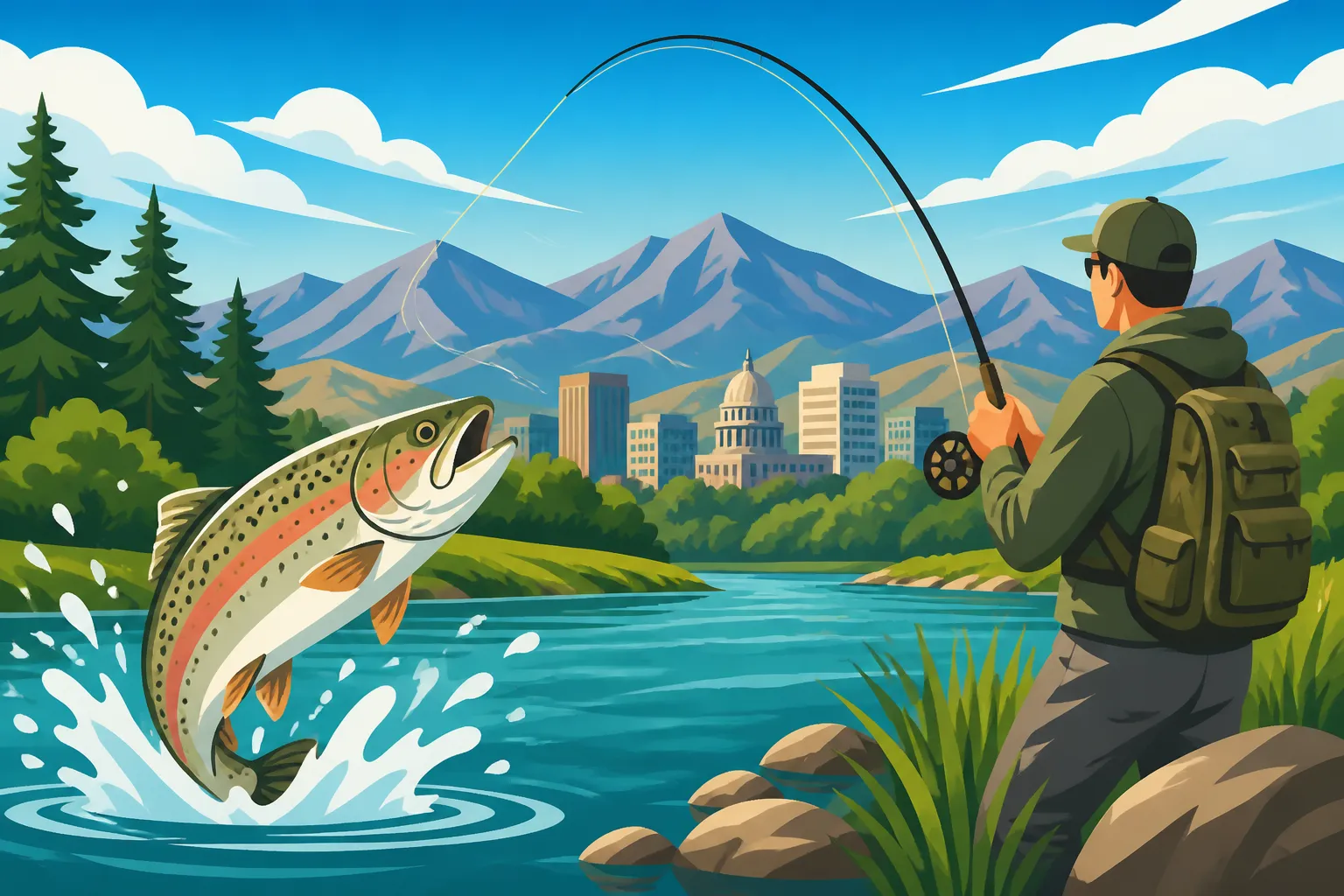
Running right through the heart of the city, the Boise River is an incredible natural amenity, offering unparalleled accessibility for anglers. You can literally be casting a line just minutes from downtown, making it a perfect escape for a quick lunchtime trip or an after-work unwind. The river through town is primarily a cold-water fishery, thanks to the bottom-release waters from Lucky Peak Dam, sustaining a healthy population of rainbow trout and brown trout, along with native mountain whitefish. It truly exemplifies fishing the Boise River through town, where urban convenience meets wild beauty.
The Boise River Greenbelt provides easy fishing access on the Boise River Greenbelt, allowing anglers to walk or bike to numerous productive spots. Fly fishing is particularly popular here, with nymphing techniques often being productive year-round, and dry fly opportunities arising during various insect hatches throughout the warmer months. Spin anglers can also find success using small spinners (like Mepps or Panther Martin) or spoons that imitate baitfish. While you won't typically find trophy-sized fish in the urban stretch, the consistent action and the sheer convenience make it an invaluable resource for local anglers looking for a quick fix of nature and fishing without a long drive.
South Fork of the Boise River: Wild Trout Waters
For those willing to venture a bit further upstream, beyond Anderson Ranch Reservoir, the South Fork of the Boise River transforms into a truly wild and stunning trout fishery. This section of the river is known for its healthy population of wild rainbow trout, and importantly, is also home to bull trout. This is a special place where the fishing pressure is considerably lighter than the urban river, and the rewards can be significant, both in terms of fish quality and the solitude of the experience.
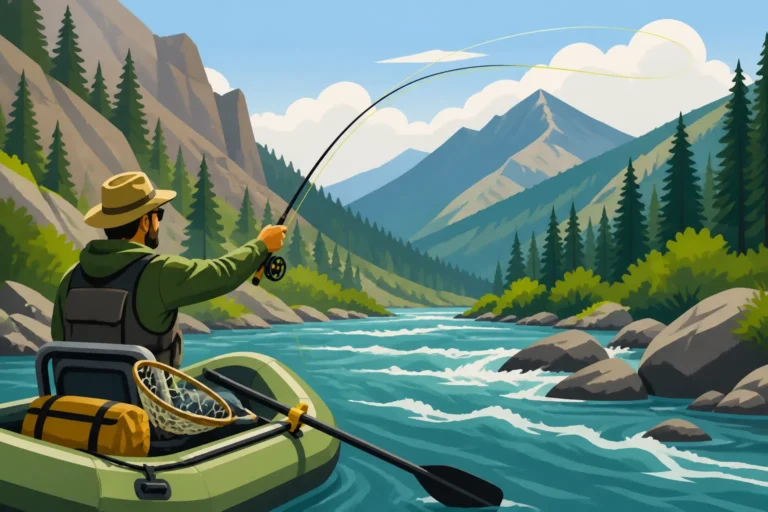
Fishing the South Fork demands a more deliberate approach, often favoring fly fishing with dries, nymphs, or streamers that mimic the diverse insect life and baitfish present. Wading is often necessary, and navigating the sometimes-rugged terrain requires a good pair of wading boots and an adventurous spirit. It’s crucial to be aware of regulations regarding bull trout, which are catch-and-release only in Idaho, and to know how to properly identify them and handle them with care. A trip to the South Fork is less about quantity and more about the quality of the fish and the breathtaking immersion in a truly wild Idaho river landscape. It's a destination for anglers seeking a more challenging and rewarding experience away from the crowds.
Middle Fork of the Boise River: Remote and Rewarding
If you crave true wilderness and a remote angling experience, the Middle Fork of the Boise River is calling your name. This tributary flows largely through dense national forest lands, often requiring a high-clearance vehicle or even a backpacking trip to access its more secluded stretches. The payoff, however, is exceptional fishing for beautiful native cutthroat trout and wild rainbow trout in a pristine, untouched environment.
The fishing here is a testament to Idaho's conservation efforts, with the fish being feisty and often eager to strike well-presented flies or small, subtle lures. Fly fishing is undoubtedly the predominant method on the Middle Fork, with anglers often employing dry flies during summer hatches or nymphing through the deeper runs. Given the remote nature of these waters, you'll likely encounter far fewer anglers, allowing for a profound sense of solitude and connection with nature. A trip to the Middle Fork isn't just about catching fish; it's about the entire backcountry adventure, the quiet, the stunning scenery, and the satisfaction of earning your catch in a truly wild setting. Always prepare thoroughly for these remote trips, bringing adequate supplies and letting someone know your itinerary.
Family-Friendly Ponds and Urban Fishing Spots
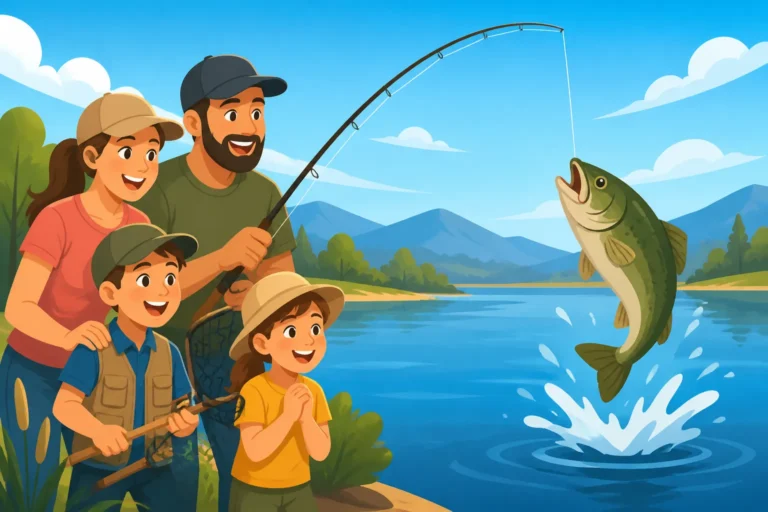
Sometimes, the grand adventure of a remote river or a vast reservoir isn't what you're looking for. Especially when you're introducing kids to fishing, or just want a low-stress outing, the smaller, more accessible ponds and urban fishing spots around Boise are absolute gems. They offer easy access, often have amenities nearby, and are regularly stocked, increasing the chances of a successful and fun day on the water.
City Parks and Stocked Ponds
Boise and its surrounding communities have done a fantastic job of creating and maintaining numerous small ponds within city parks, specifically designed for easy public access and family fishing. These are typically stocked with rainbow trout by the IDFG, especially in the cooler months of spring and fall, and often hold populations of bluegill, perch, and even some largemouth bass throughout the year. For anyone looking for beginner water near Boise, these ponds are the ideal starting point. Places like Quinn's Pond near downtown Boise, Settler's Park Pond in Meridian, and Kleiner Park Pond in Meridian are incredibly popular for this very reason.
The beauty of these ponds lies in their simplicity. A basic spin-fishing setup with a bobber and bait (worms, corn, or PowerBait) is usually all you need. Kids especially love the visual thrill of watching a bobber dip under the water. These locations often have paved paths, restrooms, and picnic areas, making them perfect for a short, enjoyable outing. They're not about trophy fish, but about creating positive fishing experiences, teaching basic skills, and spending quality time outdoors without the pressure or complexities of larger, wilder waters.
Lake Lowell: Nampa's Nearby Gem
A bit west of Boise, near Nampa, lies Lake Lowell, a large irrigation reservoir that stands out as an excellent option for family-friendly fishing, especially if you're targeting warm water species. It's often highlighted as why Lake Lowell is an easy first trip for Nampa families, but it’s just as accessible and appealing for Boise residents. Lake Lowell is celebrated for its abundant crappie, bluegill, yellow perch, and largemouth bass populations. While it might not boast the mountainous backdrop of the higher elevation reservoirs, its calm waters and numerous coves make it a very productive and relaxing place to fish.
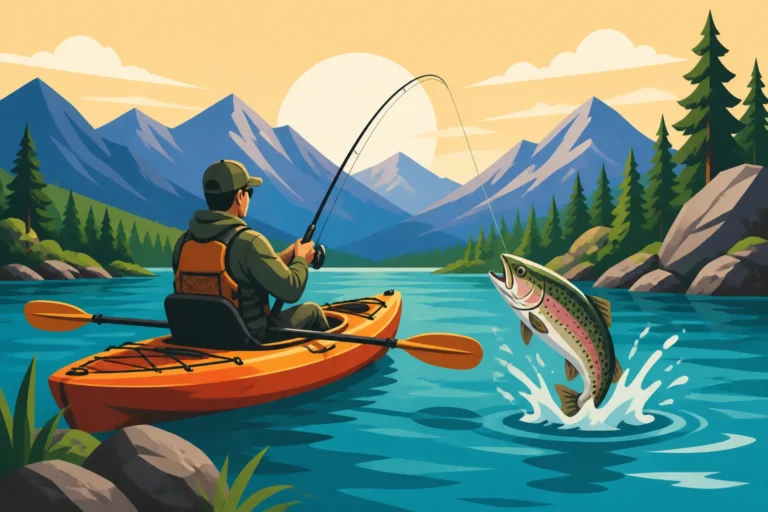
Jigging with small jigs or soft plastics under a slip bobber is incredibly effective for crappie and perch, especially during their spring and fall feeding sprees. For largemouth bass, casting crankbaits, spinnerbaits, or soft plastics into the weed beds and around submerged structures can yield exciting strikes. The shallow, fertile nature of Lake Lowell means it warms up nicely, providing fantastic opportunities for panfish throughout the warmer months. It's an ideal spot for those who prefer leisurely boat fishing, kayak fishing, or finding a quiet spot along the shore for a relaxing afternoon.
Beyond the Immediate Ponds: Quick Drives for Easy Access
The beauty of living in the Boise area is that a short drive can open up even more opportunities for casual, productive fishing. There are several smaller community ponds and even sections of canals and rivers that offer good fishing within an hour of Boise, expanding your options beyond the most well-known spots. For instance, ponds in Caldwell or Emmett often receive regular trout stockings and can hold populations of bass and panfish. These spots might not be prominently featured in every guide, but they are beloved by locals for their convenience and often less crowded environments.
Finding these local gems often involves a bit of exploration or a chat with local tackle shop owners. The IDFG website is also a great resource, as they regularly update their stocking schedules and provide maps of community fishing ponds. These locations are perfect for a spontaneous fishing trip, a quiet morning, or a family outing where the focus is more on enjoying the outdoors and catching a few fish, rather than pursuing a specific trophy. They perfectly complement the larger, more ambitious fishing destinations, ensuring that every type of angler has a convenient place to wet a line.
| Fishing Spot | Primary Fish Species | Best Fishing Methods | Key Features |
|---|---|---|---|
| Lucky Peak Reservoir | Kokanee, Rainbow Trout, Smallmouth Bass | Trolling, Jigging, Bank Fishing | Closest to Boise, versatile, good for boats |
| Boise River (Urban) | Rainbow Trout, Brown Trout, Whitefish | Fly Fishing (Nymphs, Dries), Small Spinners | Runs through city, Greenbelt access, convenient |
| Lake Lowell | Crappie, Perch, Largemouth Bass, Bluegill | Jigging, Slip Bobbers, Casting Lures | Warm water species, family-friendly, near Nampa |
| Anderson Ranch Reservoir | Rainbow Trout, Kokanee, Smallmouth Bass | Trolling, Fly Fishing (inlets), Bank Fishing | Scenic, camping opportunities, good for weekend trips |
| South Fork Boise River | Wild Rainbow Trout, Bull Trout | Fly Fishing (Dries, Nymphs, Streamers) | Wild fishery, catch & release, more remote |
| City Park Ponds | Stocked Rainbow Trout, Bluegill, Bass | Bait Fishing (Worms, PowerBait), Bobbers | Great for kids, easily accessible, stocked often |
Exploring High Mountain Lakes and Backcountry Gems
For the angler who seeks solitude, breathtaking scenery, and the challenge of fishing in truly wild environments, Idaho's high mountain lakes and backcountry waters offer an unparalleled experience. While these spots might require more effort – often involving significant hiking or backpacking – the rewards are immense, both in terms of the pristine beauty and the eager, wild fish that inhabit these cold, clear waters. These aren't just fishing trips; they are adventures into Idaho's majestic wilderness.
Sawtooth and Boise National Forest Lakes
Just a couple of hours' drive from Boise, you can enter the vastness of the Sawtooth and Boise National Forests, which are peppered with hundreds of high-elevation lakes. Many of these lakes, carved by glaciers, are accessible only by trail, requiring a hike that can range from a strenuous day trip to a multi-day backpacking excursion. These remote waters are typically home to vibrant populations of cutthroat trout, rainbow trout, and brook trout, many of which are wild and native to these ecosystems. Lakes like Alice Lake, Sawtooth Lake, or even easier-to-access Warm Lake (which you can drive to but still has that high-mountain feel) offer incredible opportunities.
The appeal here lies in the pristine conditions and the eagerness of the fish. Because these lakes receive less pressure, the trout are often less selective and more willing to strike a well-presented fly or lure. Light spin gear with small spoons, spinners, or even just a worm under a bobber can be incredibly effective. Fly anglers will find great success with traditional dry flies during insect hatches or with small nymphs and streamers. Beyond the fishing, the scenery is absolutely unparalleled, with jagged peaks reflecting in crystal-clear waters, offering a profound sense of peace and isolation. These trips require careful planning, attention to weather, and proper wilderness etiquette, but for many, they represent the pinnacle of Idaho fishing.
Accessibility vs. Wilderness Experience
When considering high mountain lakes, it's really a balancing act between accessibility and the desired wilderness experience. Some lakes, like Warm Lake, offer drive-up access and amenities, providing a taste of mountain fishing without the strenuous hike. These are fantastic for families or those with limited mobility who still want to experience the cool, clear waters of the high country. They often have campgrounds and boat launches, making them comfortable and convenient.
On the other end of the spectrum are the truly remote, hike-in lakes found deep within wilderness areas. These are where you'll find ultimate solitude, breathtaking views, and often, more aggressive, wilder fish populations that rarely see a hook. However, they demand significant preparation: sturdy hiking boots, proper backpacking gear, wilderness navigation skills, and a solid understanding of backcountry safety. The trade-off is often worth it for the intrepid angler seeking an unparalleled connection to nature and the satisfaction of reaching a truly untamed fishing paradise. It's about choosing the adventure that aligns with your skill level and desire for remoteness, ensuring a safe and rewarding experience.
Essential Gear and Techniques for Boise-Area Angling
Having the right gear and knowing the appropriate techniques can make all the difference between a frustrating day and a fantastic one on the water. The diverse fishing opportunities around Boise mean that a versatile approach is often best, though some specialized tackle can certainly enhance your success for specific species or locations.
General Rod and Reel Setups
For most of the fishing you'll encounter near Boise—be it trout in the river, kokanee in Lucky Peak, or bass in Lake Lowell—a versatile light to medium action spinning rod is your best friend. A rod between 5.5 and 7 feet in length, paired with a reliable spinning reel spooled with 4 to 8-pound monofilament or braided line, will cover a vast array of situations. This setup allows for casting lighter lures and baits while still having enough backbone to handle a feisty fish. If you’re a fly angler, a 4-weight to 6-weight fly rod is incredibly versatile for trout on the Boise River or the high mountain lakes, allowing for delicate presentations of dry flies and enough power for nymphing or throwing small streamers.
Having a couple of different setups can be beneficial. For example, a slightly heavier setup (e.g., a 7-foot medium-light rod with 10-pound braid) might be better for throwing larger bass lures in Lake Lowell, while a very light ultralight combo with 2-4 pound test is perfect for panfish in city ponds or smaller creek trout. The key is to match your gear to the size of the fish you're targeting and the environment you're fishing in, ensuring a balance between sensitivity and power.
Baits, Lures, and Flies for Success
The choice of bait, lure, or fly is critical and often depends heavily on the species you're after and the water you're fishing. For stocked rainbow trout in community ponds and many reservoirs, traditional baits like PowerBait (in various colors and scents), worms, or even canned corn are highly effective. These are simple, budget-friendly options that often yield consistent results, especially for beginners.
When it comes to lures, small inline spinners (like Mepps, Rooster Tail, or Panther Martin) are perennial favorites for trout and kokanee, as are small spoons (such as Kastmasters or Little Cleos). For smallmouth bass, soft plastic jigs, tubes, and small crankbaits that mimic crawfish or baitfish are incredibly productive when fished around rocky structure. Largemouth bass in warmer waters like Lake Lowell will hit spinnerbaits, plastic worms, and topwater lures with enthusiasm. Fly anglers should stock a diverse fly box: essential patterns include dry flies like Adams and Caddis for surface feeding trout, nymphs like Pheasant Tail and Hare's Ear for subsurface work, and streamers like Woolly Buggers for aggressive trout and bass. Being prepared with a variety of options allows you to adapt to changing conditions and fish preferences.
Seasonal Considerations and Techniques
Idaho's distinct seasons play a massive role in how and where fish bite. Understanding these patterns can dramatically improve your success. For example, spring fishing in Idaho, especially during the often-turbulent period of runoff, can be challenging on larger rivers, but productive in smaller streams and reservoirs as fish become more active with rising water temperatures. During this time, targeting slower currents or reservoir points can be key.
Summer typically means early morning and late evening fishing for trout, as they retreat to deeper, cooler waters during the heat of the day. Warm-water species like bass and crappie, however, thrive in the summer heat. Fall sees many species, particularly trout and kokanee, enter aggressive feeding phases as they prepare for winter or their spawning runs, making it an excellent time for streamer fishing or trolling. Winter, where ice conditions allow, opens up ice fishing opportunities on many lakes and reservoirs, while larger rivers can still offer surprisingly good fishing for hardy anglers. Always check local forecasts and current conditions, including water levels and temperatures, before heading out.
Making the Most of Your Boise Fishing Trip
Planning a successful fishing trip around Boise involves more than just knowing where to go and what to throw. It’s about being prepared, understanding the nuances of the local waters, and sometimes, knowing when to enlist the help of local experts. The more informed and organized you are, the more enjoyable and productive your time on the water will be.
Licenses, Regulations, and Local Knowledge
First things first, you absolutely need to have your current Idaho Fishing License Guide. This is non-negotiable, and failing to have one can result in hefty fines. Beyond the license, staying informed on specific Idaho Fishing Regulations Explained for the waters you plan to visit is paramount. As mentioned, rules can vary greatly by river section, lake, and species. Always carry a copy of the current IDFG fishing brochure, or have access to the digital version on your phone.
Beyond the official rules, local knowledge is an invaluable asset. Conditions on Idaho rivers and lakes can change rapidly due to weather, dam releases, or natural events. Checking flow rates for rivers, ice thickness for winter lakes, or fire restrictions during summer and fall is crucial for both safety and success. Websites like the IDFG’s fishing report page, local tackle shops, and online fishing forums are great resources for up-to-the-minute information. If you're feeling overwhelmed or want to fast-track your learning, services like FishingBooker can help you find local guides who are intimately familiar with these details, ensuring you're compliant with regulations and on the right fish. They live and breathe these waters and can provide insights that no brochure can.
When to Go and What to Expect
The "best" time to fish near Boise is highly dependent on what you want to catch and what kind of experience you're looking for. For trout, spring and fall generally offer the most consistent action due to cooler water temperatures and active feeding. Summer can be excellent, but often requires fishing early in the morning or late in the evening when temperatures are more favorable. Warm-water species like bass and panfish are typically most active from late spring through early fall. If you're after kokanee in Lucky Peak, late spring and early summer before they go deep, or late summer/early fall during their pre-spawn aggregation, are prime.
Weekends on popular spots like Lucky Peak or the Boise River through town can be crowded, especially during good weather. If you prefer solitude, consider fishing on weekdays or exploring more remote access points. Weather in Idaho can be unpredictable; always pack layers, even in summer, as mountain temperatures can drop quickly. Be prepared for sun, wind, and sudden showers. A professional guide booked through FishingBooker, for example, will always optimize your trip timing based on current conditions, angler pressure, and target species, taking the guesswork out of these crucial decisions.
Hiring a Local Fishing Guide
For many anglers, especially those visiting Boise or new to a particular fishery, hiring a local fishing guide can be one of the best investments you make. A good guide doesn’t just put you on fish; they teach you about the local ecosystem, the specific techniques that work best in that water, and how to read the river or lake effectively. This can significantly shorten your learning curve and maximize your enjoyment, especially if you're targeting challenging species like steelhead (further afield from Boise but a popular Idaho pursuit) or specific trout hatches.
Guides provide all the necessary gear, often including high-quality rods, reels, and a vast array of proven lures and flies. They navigate the waters safely, know where the fish are holding, and understand the intricate local regulations. Whether you're a complete beginner looking for an introduction to the sport or an experienced angler wanting to refine your skills or explore a new challenging fishery, a guided trip offers immense value. Platforms like FishingBooker make it incredibly easy to find, compare, and book experienced Idaho fishing guides right from your couch. It takes the guesswork out of finding a reputable outfitter, allowing you to focus on the anticipation of your trip and the joy of being on the water. Many guides specialize in specific waters, such as the South Fork of the Boise, or even particular species, ensuring you get expert attention tailored to your fishing goals.
Disclaimer
Please remember that fishing regulations, conditions, and fish stocking schedules can change. Always consult the latest Idaho Department of Fish and Game regulations and local advisories before heading out on any fishing trip. Safety should always be your top priority.