Idaho Special Regulation Waters and Reduced Limits
There's nothing quite as frustrating as heading out for a relaxing day of fishing, only to realize you've accidentally broken a rule because the regulations for that particular spot were different from what you expected. Idaho, with its incredible diversity of fisheries, presents this challenge often. This guide will meticulously break down Idaho's special regulation waters and reduced limits, helping you understand why these rules exist, how to find them, and what to look out for so you can fish with confidence and respect for Idaho's precious aquatic resources.
Understanding Idaho's Special Regulation Waters
Idaho is a treasure trove for anglers, boasting everything from high mountain lakes to vast, powerful rivers. But with such diversity comes a need for nuanced management. Not every fishing spot can operate under a blanket set of rules, and that's where special regulation waters come into play. These are specific rivers, lakes, or even sections of a water body that have rules differing from the general statewide regulations, often due to unique ecological factors or conservation goals.
Why Special Regulations Exist
The reasons behind special regulations are varied, but they almost always boil down to preserving the quality and sustainability of a specific fishery. Imagine a pristine spring creek, home to a fragile population of native cutthroat trout. If every angler were allowed to keep a full limit of fish using any gear imaginable, that delicate ecosystem could be decimated in short order. Special regulations step in to prevent that.
For instance, iconic waters like the Henry's Fork of the Snake River or Silver Creek often have highly restrictive rules to protect wild trout populations and ensure world-class angling experiences for generations to come. These rules might restrict gear to fly-fishing only, mandate catch-and-release, or impose very specific size limitations. The goal is to balance angling opportunity with ecological preservation, sometimes focusing on trophy fish management, other times on protecting endangered or sensitive species like wild steelhead or native cutthroat. You might find regulations aimed at preventing overharvest, reducing stress on fish during sensitive spawning periods, or simply maintaining a certain aesthetic for anglers, such as promoting fly-fishing in historically renowned areas.
How to Identify Special Regulation Waters
Navigating Idaho's fishing regulations can feel like deciphering an ancient text if you don't know where to look. The single most important resource is the current year's Idaho Fishing Regulation Brochure and Proclamation. This invaluable guide, published annually by the Idaho Department of Fish and Game (IDFG), lists every special regulation water. You can pick up a physical copy at virtually any Idaho sporting goods store, bait shop, or IDFG office, or download the latest version directly from the IDFG website.
Once you have the brochure, it's crucial to check the specific river, lake, or reservoir you plan to fish. Don't assume that if you're fishing one section of a river, the rules will be the same just a few miles upstream or downstream. Many special regulations are highly localized. Additionally, once you arrive at a specific access point or boat launch, you'll often find signage posted by IDFG clearly detailing any special rules for that immediate area. These signs are your last line of defense against an accidental violation, so always take a moment to read them before casting your line. Keep in mind that ignorance of the law is no excuse, so taking the time to consult the brochure or website before you head out is always the best practice.
Common Types of Special Regulations
Special regulations come in many forms, each designed to address a specific management need. Getting familiar with these common types will prepare you for most situations you'll encounter.
One frequent regulation is "catch-and-release only," often applied to vulnerable species or specific trophy waters. This means any fish you catch must be immediately and carefully returned to the water. Another common restriction involves gear, such as "fly-fishing only" or "artificial lures and flies only," which prohibits the use of natural baits. For certain species or in particular waters, you'll often encounter Idaho Barbless Hook Requirements, meaning only hooks with no barb (or a crimped barb) are allowed, significantly increasing the survival rate of released fish.
Size limits are also very common. These can be minimum size limits (e.g., fish must be at least 18 inches to keep), maximum size limits (e.g., fish over 24 inches must be released), or slot limits, which allow anglers to keep fish within a certain size range (e.g., only fish between 12 and 16 inches may be kept). Bait restrictions are particularly important to watch for; some waters completely prohibit Idaho Rules on Using Live Bait to prevent the introduction of invasive species or to protect specific fish populations from excessive predation. You might also find restrictions on the number of rods you can use or even specific times of day or year when fishing is permitted or prohibited. Every detail matters, so a quick glance at the Idaho Fishing Regulations Explained before you go is a smart move.
Decoding Reduced Limits in Idaho
Beyond the gear and method restrictions, one of the most common special regulations involves reduced limits. While Idaho has general statewide daily bag and possession limits for various species, many waters impose stricter, reduced limits to ensure sustainable populations, especially for popular or sensitive fish. Understanding these reduced limits is paramount for legal and ethical angling.
Species-Specific Reduced Limits
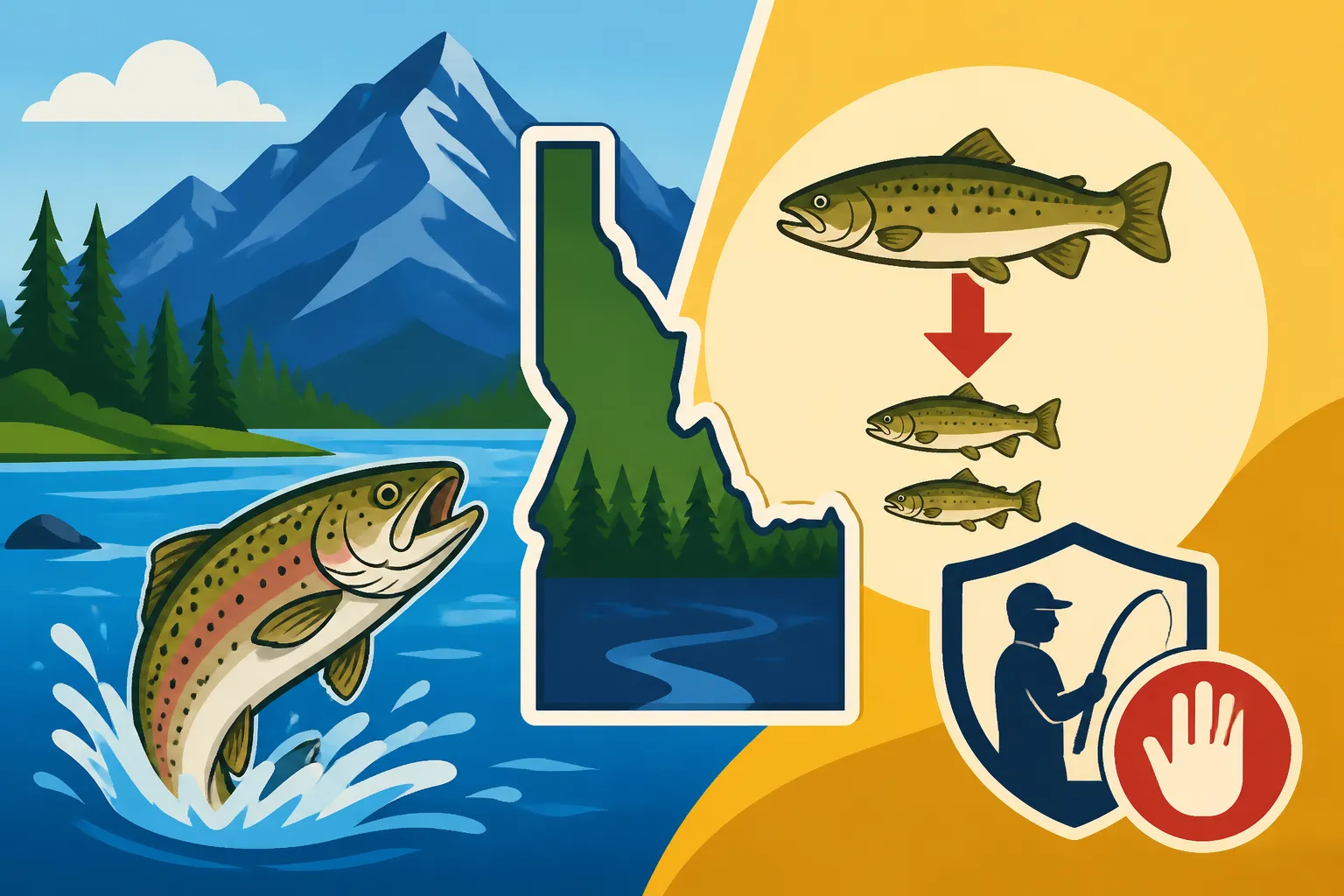
Certain fish species are more vulnerable to overharvest, either because they're slower growing, have fragile habitats, or are simply extremely popular targets. In these cases, Idaho Fish and Game will implement reduced limits specifically for that species, regardless of the general statewide rule. For example, while the general trout limit might be six fish on most waters, specific rivers known for their wild cutthroat trout populations might have a reduced limit of only two fish, or even a catch-and-release mandate for all wild cutthroat. Similarly, Idaho Kokanee Bag Limits can vary wildly from lake to lake, with some reservoirs allowing a generous limit while others might be significantly reduced or even closed if the population is struggling.
The intent here is clear: to protect the species and maintain a healthy fishery. This is particularly true for migratory species like salmon and steelhead, where the numbers can fluctuate dramatically year to year based on ocean conditions and dam passage success. It's not uncommon for Idaho Steelhead Bag Limits to be adjusted seasonally or even mid-season, sometimes varying even between different river sections. Always double-check the current rules for the specific species you're targeting and the water you're on.
Water-Specific Reduced Limits
It's not just the species; the specific water body itself can dictate reduced limits. A prime example is how limits can change dramatically from one section of a major river system to another. The Snake River, for instance, spans the entire width of Idaho and features incredibly diverse habitats. One stretch might be open to a general trout limit, while a few miles downstream, a section designated as critical habitat for a native species might be strictly catch-and-release for all trout.
Lakes and reservoirs also frequently have water-specific reduced limits. A large reservoir might have a reduced limit on certain species like perch or crappie if the population has been heavily impacted by fishing pressure or environmental factors. Conversely, smaller ponds that are heavily stocked by IDFG might have more liberal limits to encourage harvest and provide recreational opportunities. The key takeaway is that you absolutely cannot assume the rules you know for one waterbody apply to its neighbor. Even a quick drive to another access point on the same lake could put you under different regulations, so always consult the latest Idaho Fishing Regulation Brochure and Proclamation for the specific body of water you intend to fish.
Seasonal Reduced Limits
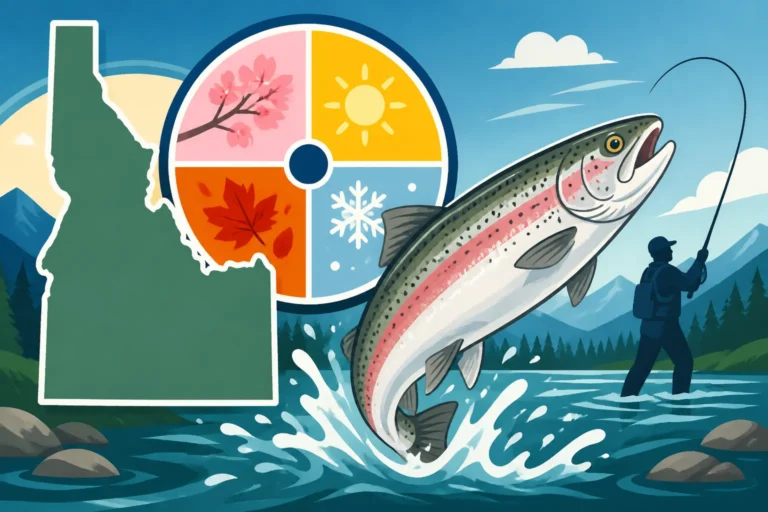
Mother Nature plays a significant role in Idaho's fishing regulations, especially when it comes to seasonal changes and reduced limits. Many species have critical spawning periods when they are most vulnerable, and regulations often reflect this. For instance, some waters might be completely closed during trout spawning seasons, or they might switch to catch-and-release only for a specific timeframe.
Migratory species like steelhead and Chinook salmon are classic examples where seasonal rules, including reduced limits, are constantly in flux. Their return numbers can vary annually, and harvest quotas are carefully managed. A certain stretch of river might be open for steelhead retention only during a specific month, with a reduced daily bag limit, and then revert to catch-and-release as the season progresses or if harvest goals are met. Understanding Idaho Fishing Season Dates and Limits is crucial here. Fishing reports and the IDFG website are your best friends for staying up-to-date on these dynamic seasonal changes. Always consult them, especially when targeting these highly managed and highly prized species.
Navigating the Regulations: Practical Tips for Anglers
Feeling overwhelmed by all the nuances of Idaho's fishing regulations? You're not alone! It can certainly seem like a lot to keep track of, but with a few practical strategies and the right resources, you can confidently navigate the waters and enjoy your fishing trips without worrying about accidental rule-breaking.
Essential Resources and How to Use Them
Your absolute best friend in this journey is the annual Idaho Fishing Regulation Brochure and Proclamation. Seriously, get a physical copy or download it to your phone. Don't just skim it; read the sections pertinent to the waters and species you'll be targeting. It's organized geographically, making it easier to find specific rivers and lakes. Highlight key sections, or even better, tab the pages for your favorite fishing spots.
Beyond the brochure, the Idaho Fish and Game website is an incredibly valuable online tool. It provides the most up-to-date information, including emergency closures or rule changes that might occur mid-season. Many local tackle shops and outdoor retailers, like those found on main streets in fishing towns or through a quick search on Amazon for fishing gear, are also fantastic resources. The staff at these shops are often avid local anglers themselves and can provide hyper-local insights into current conditions and specific regulations for their area. Don't be shy about asking questions! Even reputable fishing guides often have the most current information, as it's their business to know every detail.
Common Mistakes to Avoid
One of the most common pitfalls for anglers, both seasoned and novice, is assuming that regulations are uniform across the state. They are not. A huge mistake is to fish a particular stretch of river, then move just a few miles upstream or to a different tributary, assuming the rules are the same. They very well might not be. Always, and I mean always, check the regulations for each specific waterbody you plan to fish.
Another mistake is relying solely on outdated information. Regulations change, sometimes annually, sometimes mid-season due to conservation needs or fish run numbers. That brochure from last year? Toss it. That website you checked six months ago? Double-check it. Not knowing the current rules can lead to citations, fines, and even the confiscation of your fishing gear. For example, if you accidentally keep a wild steelhead in a section designated for hatchery-only harvest, the consequences can be severe. Understanding Idaho Catch Limits and Bag Limits Explained is critical to avoid these costly errors. The goal is to avoid an honest mistake that could cost you money or, more importantly, impact Idaho's cherished fisheries.
Gear Considerations for Special Waters
When you're heading to special regulation waters, your gear choices become more important than ever. If a water is designated "fly-fishing only," obviously, you won't be bringing your spinning rod and worm bucket. If Idaho Barbless Hook Requirements are in effect, make sure all your hooks are truly barbless. You can buy barbless hooks, or simply take a pair of pliers and crimp down the barb on your existing hooks. This simple act drastically improves the survival rate of released fish.
For waters with "artificial lures and flies only" rules, ensure you're not mistakenly packing any soft plastic baits that might be infused with natural scents, as these can sometimes fall into a grey area depending on the specific wording of the regulation. It's always best to err on the side of caution. Many anglers prepare specialized tackle boxes or bags specifically for these regulated waters, ensuring they only carry compliant gear. You can often find pre-packaged assortments of barbless flies or compliant lures at local fly shops, or by searching for "barbless hooks fishing Idaho" on platforms like Amazon to ensure you're well-equipped. Being prepared with the right gear means you can focus on the fishing, not on whether your tackle is legal.
Examples of Prominent Special Regulation Waters in Idaho
To give you a clearer picture, let's look at a few specific examples of Idaho's well-known special regulation waters. These places are famous for a reason, but their unique qualities also necessitate unique rules.
Henry's Fork of the Snake River
The Henry's Fork, particularly its upper reaches near Island Park and Last Chance, is globally renowned among fly anglers for its challenging, crystal-clear spring creek fishing. But with such prestige comes strict regulations designed to protect its phenomenal wild trout. Here, you'll often find extensive sections designated as "fly-fishing only" and "catch-and-release only" for trout. Size limits might be highly specific, like a "slot limit" allowing harvest only within a small size range, or a "no harvest" rule for certain species or stretches.
The Idaho Fishing Rules for Henry's Fork Explained are extensive, covering everything from specific hook types to restrictions on bait and even wading access in some areas to protect delicate aquatic vegetation and spawning beds. Anglers often spend years honing their skills on the Henry's Fork because the fish are incredibly selective, and the rules are meticulously enforced. It's a testament to how special regulations create and maintain a truly world-class fishery.
Silver Creek
Nestled in the high desert near Sun Valley, Silver Creek is another legendary spring creek, often called the "Harvard of Fly Fishing" due to its challenging conditions and highly selective trout. Its regulations are just as rigorous as its reputation suggests. Many sections of Silver Creek are "fly-fishing only," with strict catch-and-release policies for its healthy population of wild rainbow and brown trout.
You'll find detailed rules concerning barbless hooks, wading restrictions, and even specific seasons when certain sections are open or closed to protect spawning fish. These rules are vital for maintaining the delicate ecosystem of a spring creek, where insect hatches and water quality are paramount. Anglers visiting Silver Creek are expected to be intimately familiar with its specific rules, which are detailed within the Idaho Fishing Regulation Brochure and Proclamation and typically posted prominently at access points. It's a place where precision in angling and adherence to rules go hand-in-hand with an unforgettable experience.
Select Sections of the Snake and Salmon Rivers
Idaho's two largest river systems, the Snake River and the Salmon River, are prime examples of how regulations can change dramatically along different stretches. Both rivers host highly sought-after species like steelhead, Chinook salmon, and even large white sturgeon.
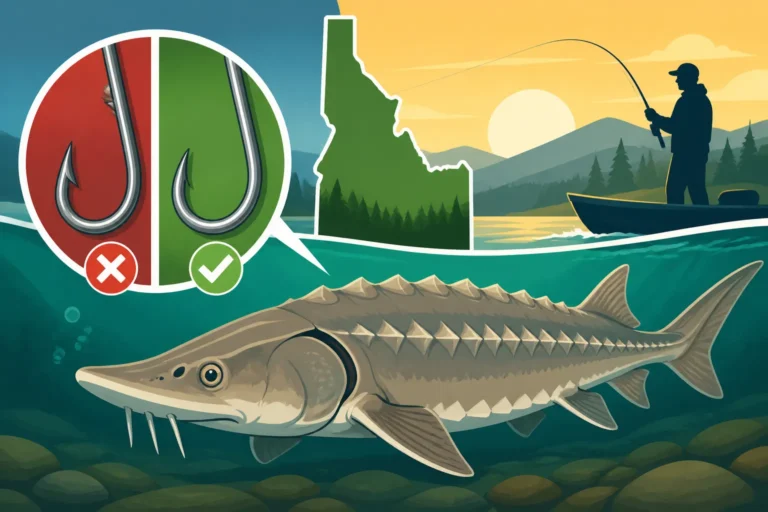
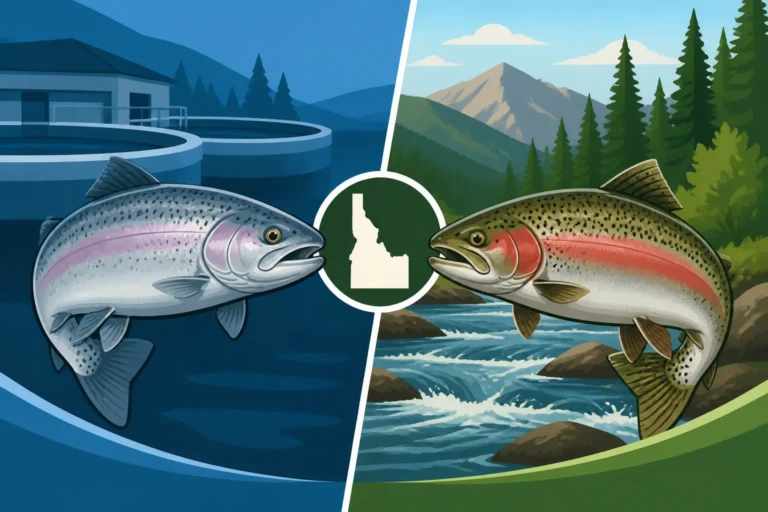
On the Snake River, particularly famous for its sturgeon, you'll find very specific Idaho Catch-and-Release Sturgeon Rules that include mandatory barbless hooks, no removal of fish from the water, and often the requirement to report catches. These rules are in place because white sturgeon are a protected species, and their survival after release is critical. Additionally, certain sections of the Snake River might have special rules for bass or trout, varying from liberal harvest to strict catch-and-release. Similarly, the Idaho Fishing Rules for the Salmon River Explained are particularly complex when it comes to steelhead and Chinook salmon. These migratory fish have specific seasons, bag limits, and gear restrictions that can change annually or even mid-season based on run forecasts and harvest quotas. You might find "hatchery-only" harvest sections, where wild fish must be released, identifiable by a clipped adipose fin. Always check the very latest updates for these sections, as they are among the most dynamic in the state.
Here's a quick comparison of typical statewide rules versus some common special regulations you might encounter:
| Regulation Aspect | Typical Statewide Rule | Common Special Regulation Example |
|---|---|---|
| Daily Trout Limit | 6 (any trout species combined) | 2 trout, only one over 18 inches, or Catch-and-Release only |
| Gear Restriction | All legal methods (bait, lures, flies) | Fly-fishing only, Artificial lures and flies only |
| Hook Type | Barbed hooks generally allowed | Barbless hooks required (e.g., for steelhead, sturgeon, wild trout) |
| Bait Use | Live bait generally allowed | Live bait prohibited, scented baits restricted |
| Sturgeon Harvest | Catch-and-Release only | Catch-and-Release only, with specific handling rules and reporting |
| Steelhead Harvest | Varies by season/river, often 3 hatchery fish | 1 hatchery steelhead, or Catch-and-Release for all steelhead |
| Kokanee Harvest | Varies by lake, often 25 | Reduced to 6 or 15, or even closed |
| Fishing Hours | Generally 24/7 | Day-use only, or specific closure hours/days |
Disclaimer
The information provided in this guide is intended for general informational purposes only and is subject to change. Fishing regulations in Idaho are complex and can be updated frequently by the Idaho Department of Fish and Game (IDFG). It is the sole responsibility of every angler to consult the current year's official Idaho Fishing Regulation Brochure and Proclamation and the IDFG website for the most accurate and up-to-date rules, emergency closures, and any specific regulations for the waters they intend to fish. Failure to comply with regulations can result in fines and penalties.