What a Typical Day Looks Like on a Guided Idaho Steelhead Trip
So, you're dreaming of that quintessential Idaho steelhead trip, the one where you're battling a chrome bright anadromous rainbow trout on a legendary river like the Clearwater or the Salmon. It’s a bucket-list experience for many, and often, the best way to tackle it, especially if you’re new to these waters or chasing these incredible fish, is with a guided trip. But if you’ve never booked one before, the whole thing can feel a bit mysterious. What actually happens? What should you expect from sunup to sundown? Let's pull back the curtain on a typical day chasing steelhead with a professional Idaho fishing guide, addressing some common worries and setting clear expectations.
The Pre-Dawn Buzz: Preparing for Your Steelhead Adventure
The alarm clock is going to be your nemesis on a steelhead trip. These fish, and the best guides, often get an early start, long before the sun even thinks about peeking over the eastern mountains. This pre-dawn period is often filled with nervous excitement, last-minute checks, and the essential ritual of coffee.
The Meeting Point and First Greetings
Your guided steelhead trip will almost always start with an early meeting. This isn't usually at the river's edge itself, but rather a pre-arranged spot – maybe a local coffee shop in a town like Orofino or Riggins, a gas station that serves as a common rendezvous point, or sometimes directly at the guide's home or shop if they have a dedicated setup. This early meeting, often before 6:00 AM, is crucial. It allows for introductions, a quick run-down of the day's plan, and the chance to confirm any last-minute questions. The guide will likely have their boat already hitched up, ready to roll.
This is your chance to meet the person who will be navigating the river and helping you chase fish all day. A good guide will be friendly, approachable, and eager to answer any questions, no matter how basic. They’ll usually ask about your fishing experience and what you hope to get out of the day. This is also where you might get your first taste of how seasoned Idaho guides manage their logistics; they know these roads and rivers like the back of their hand. If you’re looking for a guide, platforms like FishingBooker can help you sort through local options and see what their typical meeting procedures are.
Gearing Up and Getting Organized
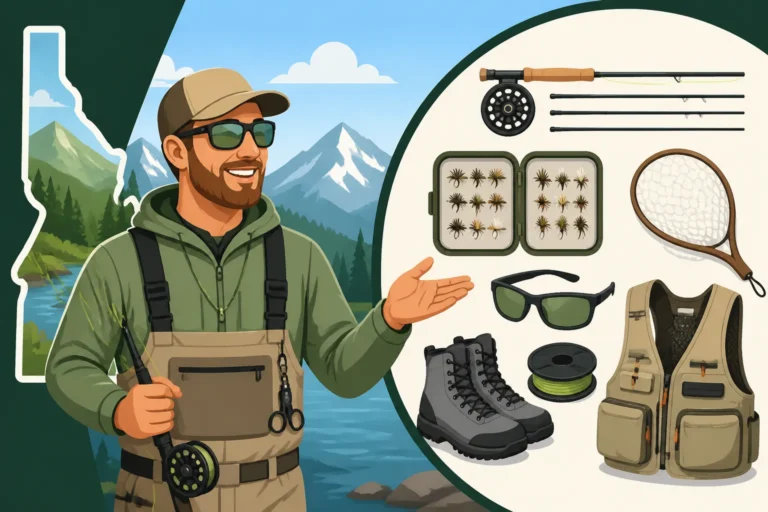
While your guide will provide most of the specialized fishing gear for steelhead—rods, reels, terminal tackle, and bait or lures—there are still a few things you’ll be responsible for bringing. Think personal items: weather-appropriate clothing (layers are key!), rain gear (absolutely essential in Idaho, even if the forecast looks clear), sunglasses, a hat, and any personal medications. Many guides will also have a cooler on board for your drinks and lunch, but it's always smart to double-check. Don't forget your Idaho Fishing License Guide and any necessary permits like the Idaho Salmon and Steelhead Permit; your guide can’t legally put you on the water without them.
Before you load up, the guide will do a quick check to make sure you have everything you need. They'll show you where to store your gear safely in the boat, emphasizing the importance of keeping pathways clear for safety. This is also where they'll typically give you a brief safety overview of the boat itself – where the life jackets are, how to brace yourself in rapids, and what to do in an emergency. It’s all about creating a safe and efficient environment for a successful day on the water.
On the Water: What to Expect During the Day's Fishing
Once everyone is ready, you’ll head to the boat launch. This can be a short drive or a significant one, depending on where you met and which section of river your guide plans to fish that day. The journey itself can be part of the adventure, offering glimpses of stunning Idaho scenery.
Launching, Drifting, and Techniques Explained
At the launch, your guide will expertly back the boat into the water, a seamless process that speaks to years of experience. Once afloat, the real work, and fun, begins. Steelhead fishing on rivers like the Clearwater or Salmon involves a variety of techniques, and a good guide will adapt to the conditions and explain what you’re doing every step of the way. You might be in a drift boat, quietly floating downstream, or in a jet boat, running upriver to specific fishing holes.
Common techniques include:
- Drift Fishing: This is often done from a drift boat, where you’re casting and presenting your bait, yarn, or small lures to specific runs and pockets as you float downstream. The guide will be constantly working the oars, positioning the boat perfectly for your casts.
- Pulling Plugs: From a powered boat, often a jet boat, you'll be slowly back-trolling or side-drifting with diving plugs. The boat's movement gives the lure its action, enticing steelhead from their holding lies.
- Jig and Bobber: A popular and effective method, especially in certain sections of river. You’ll be casting a jig suspended under a bobber, letting it drift through prime steelhead habitat.
- Side-Drifting: This involves positioning the boat and using the current to allow your bait to drift naturally through known steelhead runs, often requiring precise boat control.
Your guide will provide instruction on casting, retrieving, and identifying a bite. Don’t be shy about asking questions! This is your opportunity to learn from a seasoned pro. For more in-depth knowledge, check out our guide on How to Fish for Steelhead in Idaho.
The Thrill of the Hook-Up and Fighting the Fish
Then it happens – that tell-tale tug, a violent pull, or the distinct feeling of a snag that suddenly moves! Hooking a steelhead is an adrenaline rush like no other. These are powerful, acrobatic fish, known for incredible runs and aerial displays. Your guide will instantly spring into action, offering instructions, clearing lines, and expertly maneuvering the boat to help you fight the fish. This is where their experience truly shines. They’ll remind you to keep your rod tip up, reel down when the fish runs, and apply steady pressure.
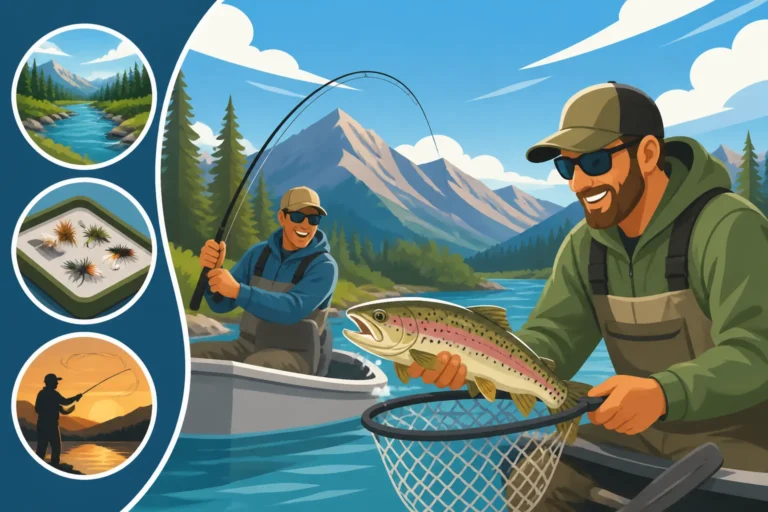
The battle can be intense and last for several minutes. When the fish is finally close to the boat, your guide will be ready with the net, scooping up your prize with practiced ease. This moment, holding a gleaming steelhead for a quick photo before its release, is truly unforgettable. If you catch a wild steelhead, which you'll distinguish by its intact adipose fin (a small fleshy fin on its back), the guide will help you release it carefully, as Why Wild Steelhead Must Be Released in Idaho outlines. Hatchery steelhead, identified by a clipped adipose fin, might be kept if regulations allow and you have an Idaho Catch Record Card Requirements.
Lunch, Laughter, and Learning
A full day on the river can be tiring, and usually, your guide will arrange for a mid-day break for lunch. This might involve pulling over to a scenic gravel bar, finding a quiet eddy, or simply eating in the boat as you continue to drift. It’s a chance to refuel, share stories, and simply enjoy the stunning Idaho wilderness. Many guides will provide a hearty shore lunch – sandwiches, snacks, and drinks – though some might ask you to pack your own. This downtime is perfect for asking more questions about the river, the fish, or just soaking in the camaraderie. It’s also a time for your guide to scout for signs of fish, observe other anglers, and plan the strategy for the afternoon. It’s a far cry from a stuffy office, and the informal atmosphere is a huge part of the appeal of a guided trip.
| Time of Day | Typical Activity | Angler's Role | Guide's Role |
|---|---|---|---|
| Pre-Dawn | Meet & Greet, Gear Check | Arrive prepared, listen to briefing | Welcome, safety talk, organize gear |
| Early Morning | Drive to Launch, Rig Up | Observe, ask questions | Launch boat, explain techniques, set up rods |
| Mid-Morning | Active Fishing | Cast, retrieve, set hook, fight fish | Position boat, instruct, net fish, scout |
| Mid-Day | Lunch Break | Eat, relax, ask questions | Prepare/serve lunch, share stories, plan afternoon |
| Afternoon | Active Fishing | Continue fishing, practice techniques | Adjust strategy, find new spots, assist with fish |
| Late Afternoon | Head to Take-Out | Pack personal gear, enjoy final views | Load boat, secure gear, navigate to take-out |
The Aftermath: Wrapping Up Your Guided Steelhead Day
As the afternoon wears on, the light begins to change, and typically, your guide will start to make their way to the designated take-out point. This end to the fishing day is just as much a part of the guided experience as the prime fishing hours.
The Take-Out, Fish Handling, and Debrief
Arriving at the take-out, the guide will skillfully maneuver the boat onto the trailer. Once the boat is secured, it's time to pack up. If you were fortunate enough to harvest a hatchery steelhead, your guide will often offer to clean and bag your fish for you, ready for your cooler. This is a valuable service, especially for those who aren't comfortable with fish processing or simply want to maximize their time on the water. They’ll also remind you to fill out your Idaho Catch Record Card Requirements correctly, ensuring compliance with Idaho Steelhead Bag Limits.
This period is also a good time for a brief debrief. Your guide might review the day's successes (and challenges!), offer tips for future trips, or just chat about the highlights. It's an opportunity for you to express your gratitude and provide feedback. Many anglers feel a bond with their guide after a day of shared adventure, and this final conversation helps cement that experience.
Tipping, Goodbyes, and Planning Your Next Adventure
One crucial part of wrapping up a guided trip that often goes unmentioned until the last minute is tipping. Tipping your guide is customary and a significant part of their income. While there’s no hard and fast rule, a common practice is to tip a percentage of the trip's cost, reflecting the effort, expertise, and service provided. They've likely been working hard since before dawn, not just fishing but also teaching, rowing, netting, and ensuring your safety and enjoyment. You can find more details on this often-awkward topic in our Idaho Fishing Guide Tipping and Etiquette article.
After heartfelt goodbyes, you'll head your separate ways, hopefully with tired arms, a full heart, and fantastic memories (and maybe some delicious steelhead fillets!). A guided trip offers not just the chance to catch fish, but to learn invaluable skills, explore incredible landscapes, and forge connections. Many anglers, after experiencing the seamless efficiency and expertise of a professional, find themselves booking with the same guide or service year after year. Whether you discovered your guide through a friend's recommendation or through online services like FishingBooker, the connection you build is truly special. The memories from a day chasing steelhead in Idaho with a seasoned guide are truly priceless, and for many, it’s not just a fishing trip, it’s an annual pilgrimage.
Disclaimer
This article is for general informational purposes only and does not constitute professional advice. Laws, prices and regulations vary by location and change over time. Consult a qualified professional for guidance on your specific situation.