Best Guided Trips for Learning to Fish Silver Creek
Silver Creek in Idaho is an absolute gem, but let's be real, its reputation as the "Harvard of Fly Fishing" isn't just for show. For many anglers, especially those new to its clear, unforgiving waters and notoriously selective trout, the idea of tackling it without a clue can be downright intimidating, even frustrating. This guide is here to walk you through how a guided trip can transform that intimidation into a genuine learning experience, helping you understand the unique challenges and incredible rewards of fishing Silver Creek.
Why Silver Creek Demands a Guide, Especially for Learners
Imagine stepping onto a river that feels like a living classroom, where every riffle, eddy, and weed bed holds a lesson, but the teachers are elusive and the curriculum is constantly changing. That's Silver Creek. It's not your typical mountain stream; it’s a delicate spring creek ecosystem that requires a deep understanding to truly fish effectively, and a good guide acts as your personal tutor.
The "Harvard of Fly Fishing" Reputation
Silver Creek has earned its moniker for a reason. Its water is incredibly clear, flowing consistently cold and pure from underground springs. This clarity, while beautiful, makes the trout incredibly wary. They can see you coming from a mile away, and they've seen every fly pattern under the sun. These aren't just fish; they're seasoned veterans of angler deception, making them some of the most selective trout you'll encounter anywhere. Add to that the complex weed beds, subtle currents, and diverse insect life, and you have a puzzle that can humble even experienced fly fishers. Without someone to point out the nuances, decipher the hatches, or explain why your perfectly presented fly is being ignored, you might spend more time scratching your head than bending your rod.
Furthermore, the consistency of the flows, while a boon for aquatic life, means the fish become accustomed to very specific feeding lanes and behaviors. They're not chasing after just anything that drifts by; they're often sipping tiny insects in a very particular manner. Learning to spot these subtle takes, to present a fly with absolute precision, and to understand the specific dietary habits of Silver Creek trout can feel like trying to solve a riddle in a foreign language without a dictionary. It’s a place where small details make a monumental difference, and those details are best learned from someone who lives and breathes this water.
The Learning Curve Advantage of a Guide
This is where a Silver Creek guide truly shines for someone looking to learn. A good guide doesn't just put you on fish; they teach you how to find those fish, why they're there, and what it takes to entice them. They possess an intimate knowledge of the creek’s various sections, understanding where the fish hold during different times of day, how specific insect hatches influence feeding behavior, and what presentations are most effective for those notoriously picky trout. They've spent countless hours observing, experimenting, and refining their techniques on this very water.
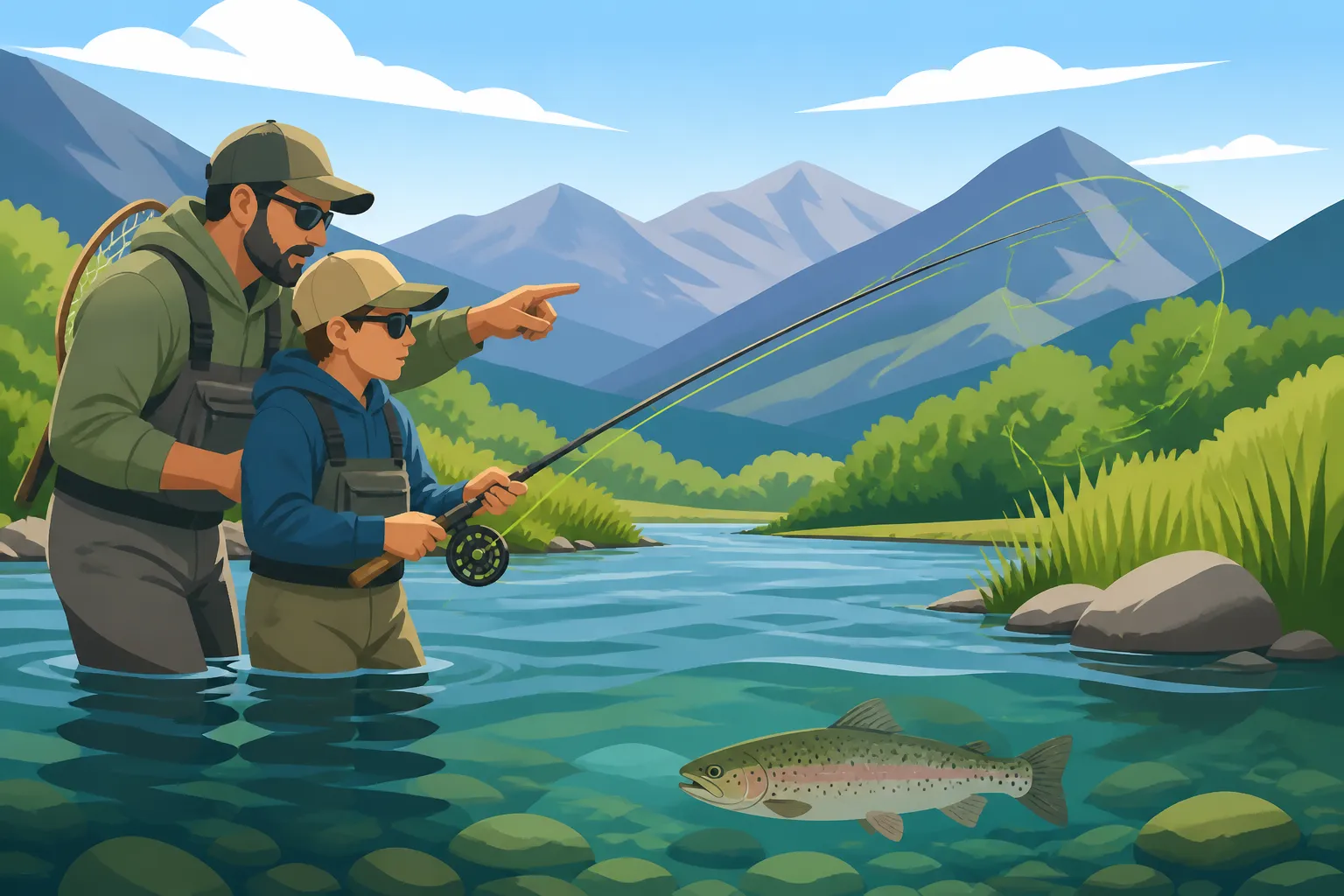
Think of it: instead of fumbling with your fly box, a guide will instantly know which tiny imitation is currently matching the hatch. Instead of blindly casting, they'll show you exactly where to place your fly to drift naturally over a feeding lane. They'll correct your casting errors in real-time, explain the subtle art of reading water, and teach you how to approach a pool without spooking every fish in it. This hands-on, personalized instruction accelerates your learning curve exponentially, giving you practical skills and insights that would take years to acquire on your own. It's the difference between trying to learn a musical instrument from a textbook versus having a dedicated, experienced teacher by your side. You absorb so much more through direct observation and immediate feedback.
Navigating Access and Regulations
Beyond the fishing techniques themselves, Silver Creek, like many renowned fly-fishing destinations, comes with its own set of access points and specific regulations that can be tricky to navigate for an outsider. There are public and private sections, special rules regarding tackle, and seasonal nuances that are crucial to understand not only for compliance but also for successful fishing. Trying to figure all this out on the fly (pun intended!) can eat into your valuable fishing time and even lead to unintentional violations.
A local guide is an invaluable asset in this regard. They know the creek like the back of their hand, including the best public access points that might not be obvious on a map. More importantly, they are intimately familiar with the current Idaho fishing regulations, special restrictions for Silver Creek, and any private easements that require specific etiquette. This means you can focus entirely on learning to fish, without worrying about whether you're in the right spot or using the correct gear. They'll ensure you're fishing legally and ethically, respecting the delicate ecosystem and the private landowners who share access to this incredible resource. Understanding Idaho Fishing Regulations Explained before your trip can also help you appreciate the guide's expertise even more.
What to Look for in a Silver Creek Learning-Focused Guide Trip
So, you're convinced a guide is the way to go for learning Silver Creek. Great! But not all guides are created equal, especially when your primary goal is education rather than just catching the biggest fish. You need to be discerning when choosing your instructor.
Guide Experience and Local Expertise
When it comes to Silver Creek, generic "Idaho fishing guide" just won't cut it. You need someone who specializes in spring creeks, and ideally, Silver Creek specifically. This isn't just about knowing the water; it's about understanding the unique ecosystem, the specific insect life, the subtle currents, and the incredibly selective nature of these trout. A guide who primarily fishes big rivers for steelhead, for example, might have excellent skills, but the techniques and knowledge required for Silver Creek are a different ball game entirely.
Look for guides who actively promote their expertise in technical spring creek fishing. Read their bios, check their reviews, and don't be afraid to ask direct questions about their experience on Silver Creek. How long have they been guiding there? What is their approach with beginner or intermediate anglers? Do they focus on teaching rather than just netting fish? A truly excellent Silver Creek guide will be able to tell you not just what fly to use, but why that fly works, how to present it in a tricky current, and what subtle signs indicate a fish is about to rise. Platforms like FishingBooker can be very helpful for comparing guide profiles and reading detailed reviews that often highlight a guide's specific areas of expertise and teaching styles.
Teaching Style and Patience
This is paramount for a learning-focused trip. Some guides are phenomenal anglers but might lack the patience or pedagogical skills to effectively teach a beginner or someone struggling with a specific technique. You want a guide who is genuinely enthusiastic about instruction, someone who can break down complex ideas into manageable steps, and who won't get frustrated if you make the same mistake a few times.
When you contact potential guides, explain that your main goal is to learn. Ask them about their teaching philosophy. Do they emphasize hands-on instruction? Are they comfortable going over casting mechanics repeatedly? Do they bring whiteboards or visual aids (sometimes even on the water!) to explain concepts like current seams or insect life cycles? A patient guide will celebrate your small victories, offer constructive feedback without judgment, and adapt their teaching methods to your learning style. They'll understand that the goal isn't just to catch fish on their trip, but to empower you to catch fish independently in the future. A guide who takes the time to explain Idaho Fishing Techniques Guide specific to spring creeks will be invaluable.
Inclusions: What a Good Learning Trip Should Provide
Understanding what's included in your guided trip is crucial, especially when you're looking to learn. For a spring creek like Silver Creek, the right gear, flies, and on-the-water support are non-negotiable. A top-notch learning trip should generally include all the necessary equipment, so you don't have to worry about bringing your own specialized gear or purchasing expensive flies that you might only use once.
Typically, this means high-quality fly rods and reels perfectly suited for delicate presentations on clear water, appropriate weight-forward or double-taper lines, and a vast selection of minute dry flies, emergers, nymphs, and even streamers that specifically mimic Silver Creek's diverse insect populations. Beyond the tackle, a good guide often provides leaders, tippet, and floatant, as well as a stream-side lunch and non-alcoholic beverages for full-day trips. They should also carry essentials like first-aid kits, extra layers, and potentially even waders and boots if you don't have your own. The goal is for you to show up ready to learn, with everything else handled. This attention to detail allows you to focus solely on the instruction and the fishing experience, without distractions about gear or amenities.
Planning Your Silver Creek Guided Learning Experience
Once you've zeroed in on the right type of guide, it's time to iron out the logistics. Timing, duration, and how you book can all significantly impact your learning experience.
Best Times to Go for Learning
Silver Creek is a year-round fishery in many sections, but certain times of the year offer more predictable conditions and prolific hatches, which can be ideal for learning. While you can certainly fish in winter, the challenge level increases due to colder temperatures and less active insect life. For optimal learning, consider the warmer months.
Spring (late April to early June) can be fantastic as insect activity ramps up, bringing consistent hatches of midges, small mayflies, and caddis. This offers excellent opportunities to learn dry fly presentation and entomology. Summer (June to September) is arguably the most popular time, with prolific hatches of larger mayflies, caddis, and terrestrial insects like grasshoppers. A guide can help you identify these insects and match your flies accordingly. Fall (September to November) offers cooler temperatures, fewer crowds, and often excellent dry fly fishing with blue-winged olives and midges. Your guide will be able to advise on the absolute best time for your trip based on current conditions and what specific learning objectives you have. For example, learning to sight fish for picky trout might be best during a consistent hatch period when fish are more visibly active. Thinking about Best Time of Year to Fish in Idaho can help you narrow down your options across the state, but Silver Creek truly shines in specific windows.
Half-Day vs. Full-Day for Instruction
This is a common dilemma, and for learning, a full-day trip often provides the most value. While a half-day trip can be a good introduction, the complexities of Silver Creek—and the time it takes for new concepts to sink in—often warrant more time on the water. A full-day outing allows for a more relaxed pace, covering various techniques and sections of the creek without feeling rushed.
| Feature | Half-Day Trip (4-5 hours) | Full-Day Trip (8-9 hours) |
|---|---|---|
| Duration | Shorter, more condensed | Longer, more comprehensive |
| Pace | Faster, more focused on immediate fishing | More relaxed, allows for deeper instruction |
| Cost | Generally lower | Higher, but often better value for learning |
| Learning | Good for specific technique refresh or quick introduction | Ideal for comprehensive learning, covering multiple aspects |
| Breaks | Minimal, direct fishing focus | Includes lunch break, more opportunities for discussion |
| Coverage | May focus on one section or technique | Can explore different sections, adapt to changing conditions |
A full day offers ample time for your guide to demonstrate, for you to practice, and for the guide to provide feedback. It also allows for breaks to discuss strategy, entomology, or even just enjoy the scenery. Many beginners find that the first few hours are spent getting comfortable, and the real learning and breakthrough moments happen in the latter half of the day. Plus, different times of day often bring different hatches, giving you a broader learning experience on insect identification and matching.
Booking and Preparation
Booking your guide trip well in advance, especially during peak seasons like summer and fall, is highly recommended. Popular Silver Creek guides get booked up quickly. Don't hesitate to reach out several months ahead of your desired dates. When you do book, reiterate your learning goals. Are you a complete beginner? Do you want to work on specific casting techniques, like the reach cast or mend? Are you keen to learn entomology? The more information you provide, the better your guide can tailor the day to your needs.
You can often find and compare guides through online platforms like FishingBooker, which provide profiles, availability, and reviews, making the search much easier. Once booked, your guide will likely provide a list of what to bring: typically a fishing license (which you'll need to purchase separately – check out How to Buy an Idaho Fishing License in advance!), polarized sunglasses, a hat, appropriate layers of clothing (even in summer, mornings can be chilly), sunscreen, and any personal medications. Hydration is key, so bring a water bottle. And don't forget your camera! This is a truly special place, and you'll want to capture those learning moments and beautiful fish. Ensure you understand the Idaho Fishing License Age Requirements for everyone in your party.
Maximizing Your Learning On and Off the Water
A guided trip is an investment in your angling education. To truly make the most of it, you need to be an active participant and commit to continuing your learning long after you've left the creek.
Active Participation and Asking Questions
Your guide is a goldmine of information, but they can't read your mind. Be proactive! Ask questions constantly, even if you think they might be "silly." How do you identify a specific rise form? Why did the fish reject that fly? What does a "perfect" drift look like in this current? What does this particular weed bed tell you about where fish might be holding? The more you engage, the more information you'll absorb.
Don't be afraid to ask your guide to repeat instructions or demonstrate techniques multiple times. It's their job to teach you, and they want you to succeed. Take mental notes, or even ask if it's okay to jot down a few points in a small waterproof notebook. Pay close attention to how your guide reads the water, selects flies, and approaches different situations. Observe their casting mechanics, their retrieves, and their fish-fighting techniques. Every interaction is a chance to learn something new. For instance, understanding How to Cast to Selective Trout on a Spring Creek is a key skill best learned by actively asking and observing.
Post-Trip Practice and Resources
The learning doesn't stop when you step off the boat or out of the creek. To truly solidify what you've learned, consistent practice is essential. Take the new casting techniques your guide taught you to a local park or pond. Practice knot tying at home. Review your notes and try to recall the specific entomology lessons. The more you reinforce these new skills, the more they will become second nature.
Consider purchasing a few flies that your guide recommended or used successfully. Try to find a local stream or pond where you can apply the water-reading skills you picked up. Don't be discouraged if you don't immediately replicate your guide's success; remember, they have years of experience. Look for additional resources: books on spring creek fishing, online videos, or even local fly shops that often host educational events. The goal is to keep that learning momentum going. Consider checking out additional posts like Fly Fishing Techniques for Idaho Spring Creeks to deepen your knowledge.
Considering Follow-Up Trips
Think of your first guided trip on Silver Creek as your introductory course. While incredibly valuable, it's just the beginning. The nuances of spring creek fishing, especially on a technical fishery like Silver Creek, take time and repeated exposure to truly master. Many anglers find immense value in booking follow-up trips with the same guide, or even different guides to gain diverse perspectives.
A second or third trip allows you to build upon the foundation laid during your first outing. You can focus on more advanced techniques, explore different sections of the creek, or target specific hatches. Your guide will also get to know your strengths and weaknesses better, allowing for even more tailored instruction. It's like continuing education for anglers – each visit deepens your understanding and refines your skills, turning you from a Silver Creek learner into a more confident and capable angler, ready to tackle its challenges on your own. Booking these through services like FishingBooker can also help track your progress with a particular guide or try someone new for a different perspective.
Disclaimer
This article is for general informational purposes only and does not constitute professional advice. Laws, prices and regulations vary by location and change over time. Consult a qualified professional for guidance on your specific situation.