Idaho Catch Limits and Bag Limits Explained
Oh, the sheer joy of reeling in a beautiful fish! It's one of the best feelings in the world, isn't it? But then, the nagging question often hits you: "Can I keep this one? How many can I keep?" Navigating Idaho's fishing regulations, especially when it comes to catch limits and bag limits, can feel like trying to solve a puzzle while a trophy fish is on the line. It's confusing, frustrating, and honestly, a bit intimidating for both new and seasoned anglers. This guide is here to untangle all that jargon, explain the crucial differences, and give you the confidence to know exactly where you stand with Idaho's fishing limits, ensuring you stay compliant and focus on the fun.
Understanding Idaho's Fishing Regulations: More Than Just a Number
It’s easy to look at a number in a rule book and just see a restriction. But when it comes to Idaho’s catch and bag limits, those numbers are actually a vital part of protecting the incredible fisheries we all cherish. They're designed to keep our rivers and lakes healthy and teeming with fish for generations to come, which is something every angler can get behind.
Why Catch Limits and Bag Limits Exist
Imagine everyone kept every fish they caught, especially during prime fishing seasons. It wouldn't take long for our favorite spots to become barren. Catch limits and bag limits are the Idaho Fish and Game Department's primary tools for managing fish populations. They're based on extensive scientific research, tracking spawning success, growth rates, habitat health, and angler pressure for different species across various water bodies.
For instance, the delicate balance of our wild steelhead runs requires extremely careful management. These fish travel hundreds of miles from the ocean, face numerous challenges, and are vital to the ecosystem. Without strict limits and catch-and-release requirements for wild fish, these populations could easily collapse, impacting not just future fishing opportunities but the entire river system. Similarly, in lakes where species like trout are regularly stocked, limits prevent anglers from depleting the efforts of the stocking programs too quickly, ensuring a sustained fishery throughout the year. These regulations aren't arbitrary; they are the backbone of sustainable fishing here in Idaho, allowing us to enjoy the bounty while ensuring its future. It’s all about finding that sweet spot where everyone can enjoy a successful day on the water without jeopardizing the long-term health of the fish.
The Difference Between Daily Bag Limit and Possession Limit
This is one of the most common areas of confusion for anglers, and it's super important to get right. Many people mistakenly think these terms are interchangeable, but they are distinctly different and both carry legal weight. Getting them mixed up can lead to some unwanted trouble with conservation officers.
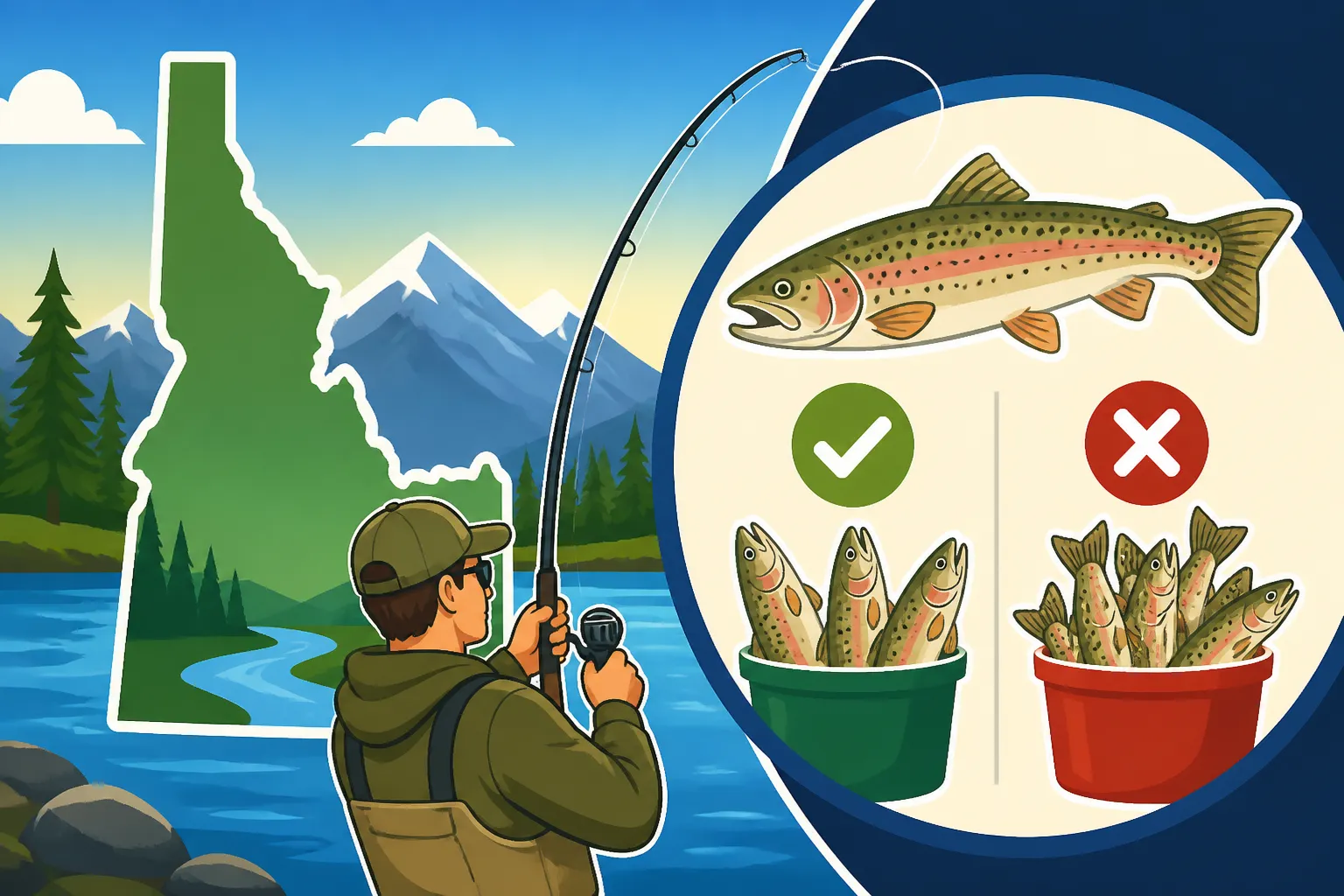
The daily bag limit refers to the maximum number of fish of a particular species or combination of species that an individual angler can legally keep in a single calendar day (from midnight to midnight). So, if the daily bag limit for trout is 6, you can catch and keep up to 6 trout within that 24-hour period. Once you hit that number, you must stop fishing for that species for the rest of the day, or switch to purely catch-and-release if permissible, ensuring no additional fish are retained. This limit resets at midnight, allowing you to catch and keep another batch the next day. This rule is generally straightforward when you’re out on a single-day trip and heading straight home.
The possession limit, on the other hand, is the maximum number of fish of a particular species or combination of species that an individual angler can have in their possession at any given time. This includes fish that are in your cooler on the boat, stored in your vehicle, at your campsite, or even back in your freezer at home. For many species in Idaho, the possession limit is simply one or two times the daily bag limit. This becomes particularly important when you're on a multi-day fishing trip. Let's say the daily bag limit for trout is 6, and the possession limit is 12. You could keep 6 trout on Monday and another 6 on Tuesday, bringing your total possession to 12. However, if you wanted to keep more fish on Wednesday, you'd first need to consume or give away some of the fish from your possession to get back under the 12-fish possession limit. Failing to do so would put you in violation, even if you hadn't caught any new fish that day. It's designed to prevent anglers from stockpiling an excessive amount of fish over extended trips, maintaining fairness and conservation. Always check the current Idaho Fishing Regulation Brochure and Proclamation for the specific possession limits, as they can also vary by species and location.
General Statewide Rules for Idaho's Most Popular Fish Species
Idaho is a huge state with an incredible diversity of waters and fish species. While many specific regulations exist, there are some general statewide rules that provide a good baseline for the most commonly targeted fish. These are the rules you'll often encounter, but always remember: specific water rules always take precedence!
Trout Regulations: The Idaho Default
For many anglers dreaming of Idaho, trout are probably the first fish that come to mind. Rainbows, cutthroats, browns, and brook trout are abundant in our rivers and lakes. Generally, across much of Idaho's general waters, the statewide daily bag limit for trout (which includes Rainbow, Cutthroat, Brown, Brook, Lake Trout, Golden Trout, and Arctic Grayling) is six (6) fish, in any combination. This means you could keep three rainbows and three cutthroats, or six brown trout, or any mix that adds up to six. The possession limit for these general trout regulations is often twice the daily limit, or 12 fish.
However, and this is a big however, these general rules are merely a starting point. Idaho's waters are incredibly diverse, and many specific rivers, streams, and lakes have their own unique regulations designed to protect particular populations or enhance fishing opportunities. For example, some blue-ribbon trout streams might be catch-and-release only, or have very restrictive slot limits (meaning you can only keep fish within a certain size range, or outside of it). Other waters might have reduced bag limits, say two trout per day, while some might have entirely different species-specific limits. For instance, you’ll find very specific rules for sections of the South Fork of the Snake River or the Henry's Fork. It’s absolutely essential to consult the current Idaho Fishing Regulation Brochure and Proclamation before you cast a line, especially if you're venturing into new territory. The section on "Idaho Trout Limits by Water" in the official regulations is your best friend here, detailing all those important exceptions.
Bass and Panfish: A Different Ballgame
While trout often steal the spotlight, Idaho's warmwater fisheries offer fantastic opportunities for bass and various panfish. The regulations for these species often differ significantly from trout, typically being a bit more generous, though still designed for sustainability.
For bass, both smallmouth and largemouth, the general statewide daily bag limit is often six (6) fish, with a possession limit of twelve (12). However, like trout, specific waters can have their own rules. Some popular bass fisheries, particularly large reservoirs or those known for producing trophy-sized fish, might implement slot limits or other restrictions to protect the spawning population or encourage larger fish growth. For instance, places like C.J. Strike Reservoir are renowned for their bass fishing, and while general rules might apply, local nuances can sometimes be in effect to maintain quality. The "Idaho Daily Bag Limit for Smallmouth Bass" will give you a clearer picture of these variations.
Panfish, which include popular species like yellow perch, crappie, and bluegill, are often managed with much higher bag limits due to their prolific breeding cycles and abundance. It’s not uncommon to see daily bag limits of 25 or even 50 for these species in certain waters, with correspondingly higher possession limits. This allows anglers to take home a good mess of fish for a meal, which is a big part of the appeal of panfishing. Reservoirs like Lake Lowell or Cascade Reservoir, known for their abundant perch and crappie, are perfect examples where these more generous limits apply. These higher limits reflect the biological capacity of these fish to sustain greater harvest pressure, making them excellent targets for family fishing trips where catching lots of fish is part of the fun. Again, always double-check the specific section of the proclamation for the water you plan to fish, as even panfish limits can have local variations.
Special Species, Special Rules: Salmon and Steelhead
When it comes to anadromous fish like salmon and steelhead, Idaho’s regulations move from general guidelines to highly specific, often complex, and seasonally critical rules. These majestic fish make incredible journeys from the Pacific Ocean back to Idaho’s rivers to spawn, and their populations are carefully managed due to conservation concerns and treaty obligations.
Navigating Steelhead Limits and Hatchery vs. Wild
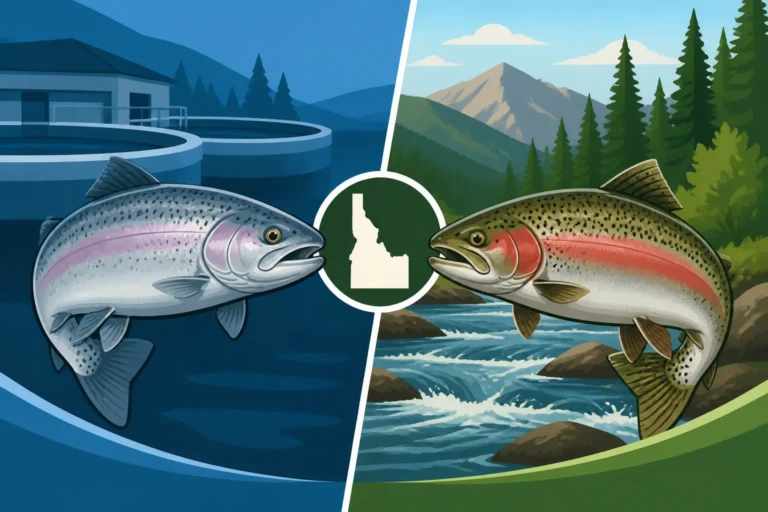
Steelhead fishing in Idaho is a passion for many, but it comes with stringent regulations, primarily centered around distinguishing between hatchery-raised and wild-origin fish. This distinction is paramount for conservation. Hatchery steelhead are typically marked with a clipped adipose fin – a small, fleshy fin located between the dorsal and tail fins. This clip is applied when they are young, signifying they were raised in a hatchery. Wild steelhead retain their adipose fin.
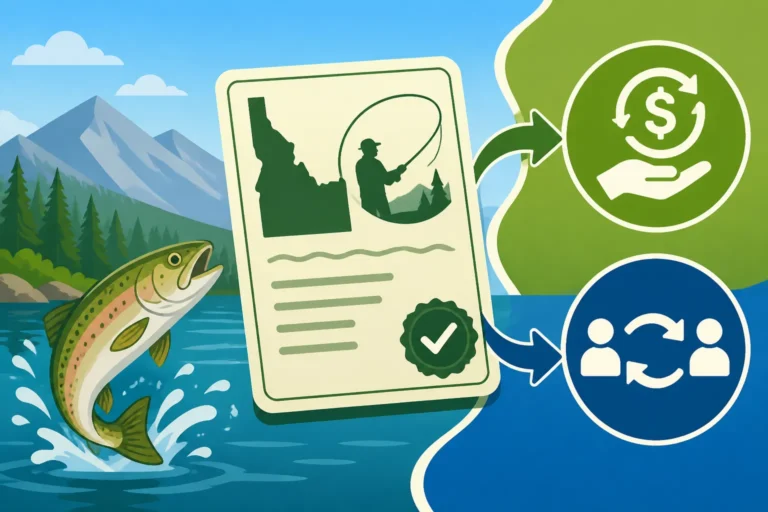
The critical rule to remember is this: all wild steelhead must be immediately released unharmed. There are no exceptions. If you catch a wild steelhead, you must release it gently and quickly, without removing it from the water if possible, to maximize its chances of survival and successful spawning. For hatchery steelhead, the daily bag limit is typically set at two (2) fish, with a possession limit of six (6) fish. However, these limits can vary by river section and season, and are always subject to emergency rule changes based on actual fish returns. To legally fish for steelhead, you also need an Idaho fishing license and a separate Idaho Salmon and Steelhead Permit. This permit is crucial for tracking angler effort and harvest. The "Idaho Steelhead Bag Limits" section in the official regulations, along with the information on "How to Tell a Hatchery Steelhead from a Wild One in Idaho," will provide comprehensive details you'll need before hitting the Clearwater River or Salmon River during their runs. These fish are a true treasure, and adhering to these rules is vital for their future.
Chinook Salmon: Highly Regulated Opportunities
Chinook salmon fishing in Idaho is often described as a "season by announcement." Unlike steelhead, which have somewhat more predictable seasons, Chinook returns can fluctuate wildly year to year, leading to very specific, and sometimes short, fishing opportunities. The seasons are typically announced by the Idaho Fish and Game Department, often on short notice, once it's clear enough fish have crossed dams downstream to allow for some harvest.
When a Chinook season is open, the regulations are incredibly precise, often detailing specific river sections, dates, and very tight bag limits. A common daily bag limit for Chinook salmon might be one (1) or two (2) adult fish, and the possession limit will be equally restrictive. Like steelhead, a specific "Idaho Chinook Salmon Season Permit" is required in addition to your general fishing license. Anglers must check the most current special rules and proclamations, which are often updated weekly or even daily during an active season. This information is typically available on the Idaho Fish and Game website or through local tackle shops. Failing to check these updates could mean you're fishing illegally or missing a brief window of opportunity. It's a testament to the fragile nature of these runs, and the dedication required to both enjoy and protect them. Always, always check the absolute latest information before heading out for Chinook.
Idaho's Giants: Sturgeon and Lake Trout
Idaho is home to some truly magnificent fish that command respect not just for their size, but for their unique life histories and the special regulations designed to protect them. The white sturgeon and trophy lake trout are prime examples, each with their own distinct management strategies.
Sturgeon: Catch and Release for a Living Dinosaur
If you've ever hooked into a White Sturgeon on the Snake River, you know it's like battling a living dinosaur. These incredible fish can live for over 100 years and grow to immense sizes, with some exceeding 10 feet in length. Because of their slow growth, late maturity, and historical overfishing, all sturgeon fishing in Idaho is strictly catch-and-release only. This isn't just a suggestion; it's a critical rule to ensure the survival and recovery of these prehistoric fish.
When fishing for sturgeon, several specific regulations are in place to maximize the fish's survival after release. First, you must use barbless hooks. This makes it much easier to remove the hook with minimal damage to the fish's mouth. Secondly, it is illegal to remove sturgeon from the water. You must keep the fish in the water at all times, even for photos. This is because their massive internal organs can be crushed by their own weight if they are lifted out of the water, causing severe injury or death. Anglers are encouraged to use heavy tackle to land fish quickly, minimizing stress, and always have appropriate tools for quick hook removal. You’ll also need to be careful with handling, avoiding touching their eyes or gills, and supporting their body weight if you need to maneuver them for hook removal. Understanding these rules, particularly the "Idaho Sturgeon Catch and Release Rules Explained" and "Why Barbless Hooks Are Required for Idaho Sturgeon," is not just about compliance; it's about showing respect for one of Idaho's most iconic and vulnerable species.
Trophy Lake Trout in Deep Waters
Idaho's deep, cold lakes, particularly Priest Lake and Lake Pend Oreille in the Panhandle, are home to substantial populations of Lake Trout, also known as Mackinaw. These fish are powerful predators and can grow to impressive, even trophy, sizes. Lake Pend Oreille, in particular, is famous for its massive Lake Trout that can tip the scales well over 20 pounds.
While general trout limits might apply to some smaller lakes, these trophy waters often have very specific regulations for Lake Trout. These can include reduced daily bag limits, often only one or two fish, and sometimes even slot limits. A slot limit might specify that you can only keep fish under a certain size or over a certain size, with fish in the "slot" (e.g., 20-30 inches) required to be released. This management strategy is designed to protect the breeding stock of medium-sized fish while allowing anglers to harvest smaller, more abundant fish, or target those truly massive, old trophy fish that are past their prime breeding years. Because Lake Trout live in deep water, often 100 feet or more, special care must be taken to release them safely if they are not to be kept. Deepwater fish can suffer from barotrauma (swim bladder expansion) when brought to the surface quickly. Using a descending device (available on Amazon or at local tackle shops) to return them to depth is highly recommended to increase their survival rate. Always consult the specific rules for the lake you are fishing, especially if targeting "Idaho Lake Trout (Mackinaw) Fishing" to understand any special limits or handling requirements.
Regional Variations and Special Regulation Waters
Here's where things can get truly nuanced, and often, confusing. While general statewide rules provide a baseline, Idaho is a land of incredible diversity, and its fisheries are managed on a hyper-local level. This means the rules can change dramatically from one river section to the next, or from one lake to a nearby pond. Thinking you know the rules because you read the general statewide section is a common mistake that can lead to big headaches.
How Water-Specific Rules Override General Regulations
It's absolutely crucial to understand that water-specific rules always take precedence over general statewide regulations. Always. Think of the statewide rules as a default setting, but many of Idaho's most popular and productive fishing spots have been tweaked with "special regulations" to achieve specific management goals. These goals might include protecting a fragile native fish population, enhancing a trophy fishery, managing invasive species, or simply spreading out angler pressure.
For example, a river might have a general trout limit of six fish. However, a specific 5-mile stretch of that same river, known for its incredible wild cutthroat population, might be designated as "catch-and-release only" or "single barbless hook, no bait" water. Or perhaps a small mountain lake is managed for trophy golden trout, and thus has a daily limit of one fish over 20 inches. You might also encounter "no fishing from bridges" rules, or restrictions on specific types of bait in certain areas. These specific rules are not always immediately obvious, and they require a diligent angler to do their homework. The section of the Idaho Fishing and Game brochure called "Idaho Special Regulation Waters" is where all these exceptions and specific rules are detailed. You'll often find these rules listed by county or by major river basin, so you need to know not just what you're fishing for, but exactly where you are fishing. Ignoring these specifics can turn an otherwise perfect day on the water into a very expensive lesson.
Navigating the Proclamation: Your Angler's Bible
Given all these variations, the single most important tool in any Idaho angler's arsenal is the official Idaho Fishing Regulation Brochure and Proclamation. I can't stress this enough – this document is your absolute bible for understanding fishing laws in the state. Forget what your buddy told you last year, or what you vaguely remember from a decade ago. Regulations change, sometimes annually, sometimes mid-season due to biological needs or environmental factors.
You can get a physical copy of the brochure at most Idaho Fish and Game offices, sporting goods stores like Cabela's or Sportsman's Warehouse, and many local tackle shops and convenience stores. Even better, you can download the most current version as a PDF from the Idaho Fish and Game website. Having it on your phone or a printed copy with you when you're on the water is not just recommended, it's pretty much a requirement for responsible angling.
The proclamation is organized, usually by region and then by specific water body. You'll find tables detailing species, daily bag limits, possession limits, size restrictions (like minimum or maximum lengths, or slot limits), bait restrictions, and even specific times of year certain rules apply. For example, rules for fishing the Salmon River, the Clearwater River, or the Snake River can be extremely detailed, breaking down regulations by specific river sections (e.g., "Salmon River from mouth to North Fork") or even by specific bridges or landmarks. Learning to read and interpret these tables takes a little practice, but it's invaluable. Always start by finding the specific body of water you intend to fish, then carefully review all regulations listed for that location. If you see a conflict between a general rule and a specific rule for your chosen water, the specific rule always wins. This brochure is the definitive source, and truly understanding it is the key to a worry-free fishing experience.
Practical Tips for Staying Compliant and Enjoying Your Trip
Understanding the rules is one thing; putting them into practice on the water is another. There are a few practical habits and tools that can make all the difference in staying compliant, avoiding costly mistakes, and truly enjoying your Idaho fishing adventures without the stress of regulations hanging over your head.
Counting Your Catch and Measuring Fish Accurately
When you're actively fishing, especially when the bite is on, it can be easy to lose track of how many fish you've kept. This is particularly true if you're fishing with friends or family who are also keeping fish. Remember, daily bag limits apply per individual angler, but if you're consolidating fish into one cooler, it’s vital to keep a mental (or even written) tally for each person. A good practice is to have a simple tally counter, or just make a mental note, for each fish you decide to retain.
Measuring fish accurately is equally important, especially when slot limits or minimum/maximum size restrictions are in play. A reliable measuring device is an absolute must-have in your tackle box. Don't rely on estimations or the length of your boot! A stiff, plastic measuring board or a durable tape measure can be easily found on Amazon or at any reputable sporting goods store. When measuring, Idaho Fish and Game generally requires you to measure the "total length," which means from the tip of the snout to the tip of the tail, with the tail compressed (squeezed together) if it's for maximum length. Always lay the fish flat on the measuring device for the most accurate reading. If there's any doubt about whether a fish meets a minimum size or falls within a slot limit, it's always best to err on the side of caution and release it. Better safe than sorry, and it helps ensure you're protecting those vital parts of the fish population.
What Happens if You Exceed the Limit?
No one wants to think about the consequences of breaking fishing rules, but it’s important to be aware of them. Idaho Fish and Game conservation officers take their job seriously, and they are out on the water to ensure everyone is playing by the rules and protecting our natural resources. Ignorance of the law is generally not considered an excuse.
Exceeding catch limits or possession limits can lead to significant penalties. These typically include substantial fines, which can range from a few hundred dollars to well over a thousand, depending on the severity of the violation and the species involved. For certain protected species or egregious violations, you might also face confiscation of your fishing gear, including rods, reels, and even your boat. Perhaps most impactful for a passionate angler, you could face the suspension or revocation of your Idaho fishing license, and possibly your hunting license too. In some cases, violations can even lead to criminal charges. The penalties are designed to be a deterrent and to emphasize the importance of adhering to conservation regulations. It’s definitely not a pleasant experience, and avoiding it simply means being diligent about checking the rules and respecting the limits. As we discussed in "What Happens If You Exceed Idaho's Bag Limit?", the costs far outweigh any temporary satisfaction of catching an extra fish.
Essential Gear for Regulation Compliance
Beyond your rod, reel, and bait, a few key pieces of gear can genuinely help you stay on the right side of Idaho’s fishing regulations. Think of these as your compliance toolkit.
First and foremost, have access to the current Idaho Fishing Regulation Brochure and Proclamation. Whether it's a physical copy stored in a waterproof bag in your tackle box or a downloaded PDF on your smartphone (make sure it's fully charged!), having it readily available for quick reference is invaluable. Cell service can be spotty in remote Idaho, so a printed copy is often the safest bet.
Next, a reliable fish measuring device is a non-negotiable item. As mentioned, a rigid measuring board is ideal for accuracy, especially with finicky slot limits. You can find excellent options on Amazon, designed specifically for angling, with clear markings.
If you're planning on keeping fish, a good cooler and ice are essential for keeping your catch fresh and preventing spoilage, but they also serve a compliance purpose. Keeping your fish in a cooler, separate from other anglers' catches, helps clarify individual possession limits. For catch-and-release fishing, particularly with species like sturgeon or trout, investing in a good pair of hemostats or pliers for quick hook removal, and possibly a knotless, rubberized net, can minimize harm to the fish. A knotless net protects their slime coat and fins better than traditional knotted nets. And again, for deep-water species, consider a descending device to aid in safe release. All these items are readily available and make a huge difference in both your fishing success and your adherence to Idaho’s rules.
Idaho's Fishing Limits at a Glance
To give you a quick reference point, here's a general overview of Idaho's common catch and possession limits. Please, please remember that this table is a generalized summary and is NOT a substitute for checking the current official Idaho Fishing Regulation Brochure and Proclamation for the specific waters you intend to fish. Water-specific regulations always override these general rules.
| Fish Species Group | General Daily Bag Limit | General Possession Limit | Special Notes |
|---|---|---|---|
| Trout (Rainbow, Cutthroat, Brown, Brook, Lake Trout) | 6 fish (any combination) | 12 fish (any combination) | Many waters have very specific rules: catch & release, slot limits, reduced limits. Always check "Idaho Special Regulation Waters." |
| Bass (Smallmouth, Largemouth) | 6 fish (any combination) | 12 fish (any combination) | Some reservoirs may have slot limits or specific length restrictions. |
| Panfish (Perch, Crappie, Bluegill) | 25 fish (any combination) | 50 fish (any combination) | Generally more liberal limits; can vary by water body. |
| Steelhead | 2 hatchery steelhead (marked with clipped adipose fin) | 6 hatchery steelhead | Requires an "Idaho Salmon and Steelhead Permit." All wild steelhead (unclipped adipose fin) must be released. Check current season dates and areas. |
| Chinook Salmon | Typically 1-2 adult fish (highly variable) | 1-2 times daily limit (highly variable) | Requires an "Idaho Chinook Salmon Season Permit." Seasons are announced based on returns and are highly specific to river sections and dates. Check frequently for updates. |
| White Sturgeon | Catch & Release Only | Catch & Release Only | No fish may be removed from the water. Barbless hooks are mandatory. |
| Kokanee Salmon | 25 fish | 50 fish | Some waters, like Lake Coeur d'Alene, may have specific size or harvest recommendations. |
Remember, these are starting points. Always confirm with the official Idaho Fish and Game regulations for the exact location you plan to visit.
Disclaimer
The information provided in this guide is intended for general informational purposes only and is not a substitute for the official Idaho Fish and Game fishing regulations. Fishing rules and limits can change frequently. Always consult the most current Idaho Fishing Regulation Brochure and Proclamation before engaging in any fishing activity. It is the angler's responsibility to know and abide by all applicable laws and regulations.