Best Technique for Fishing Muddy Spring Water in Idaho
There's nothing quite like the feeling of heading out to your favorite Idaho fishing spot in spring, full of anticipation, only to find the water a churning, muddy mess from recent rains or snowmelt. It can be incredibly disheartening, making you wonder if it's even worth casting a line. But don't throw in the towel just yet! This guide is all about turning that frustration into success, breaking down the best techniques for fishing muddy spring water across Idaho and helping you understand why fish react the way they do when visibility drops.
Understanding the Challenge of Muddy Spring Water
When spring arrives in Idaho, it often brings with it a mix of rising temperatures, melting snow, and sometimes heavy rain. All of these factors can contribute to what anglers affectionately (or not-so-affectionately) call "muddy water" or "turbid conditions." This isn't just an aesthetic issue for us; it fundamentally changes the underwater environment for the fish we're trying to catch.
How Turbidity Impacts Fish Behavior
Fish rely on their senses to survive, and visibility is a huge part of hunting for food and avoiding predators. When the water gets muddy, it's like a dense fog rolling into their world. Their primary sense of sight becomes severely limited, and this forces them to adapt. Instead of visually keying in on prey, they turn to their other, often underappreciated, senses: vibration and smell. Think about it: if you can't see your dinner, you're going to sniff it out or feel its approach, right? Fish do the same. This shift in sensory reliance is the cornerstone of effective muddy water fishing.
Furthermore, muddy water can also affect a fish's comfort level and preferred holding spots. Some species might seek out clearer, calmer pockets of water, while others might use the reduced visibility as cover to ambush prey more easily. Understanding these behavioral changes is crucial for predicting where fish might be and how they might be convinced to bite. It's not just about the lure; it's about presenting that lure in a way that makes sense to a fish that's essentially blindfolded.
Common Causes of Idaho's Spring Turbidity
Idaho's diverse landscape means turbidity can stem from a few different natural sources. The most common culprit in spring is the annual snowmelt, especially in our mountain ranges. As the snowpack melts, it rushes down hillsides and into rivers, picking up sediment, silt, and debris along the way. This is particularly noticeable in rivers fed by large watersheds, like sections of the Snake River or the Salmon River, where the sheer volume of runoff can turn the water into a coffee-colored torrent. You can learn more about how spring conditions affect fishing in our guide on Idaho's Spring Runoff and How It Affects Fishing.
Another significant contributor is heavy spring rainfall. When persistent or intense rain falls, it can cause localized erosion, washing soil from banks and agricultural fields directly into streams and lakes. Even smaller feeder creeks that might otherwise be clear can become gushing, muddy tributaries after a good spring storm. Understanding these causes helps us anticipate when conditions might turn turbid and prepares us to adjust our strategies accordingly. Sometimes, a sunny day after a storm might still mean muddy water for a while as everything settles.
Essential Gear for Muddy Water Fishing Success
Fishing in muddy conditions isn't just about changing your technique; it often requires a slight adjustment to your gear. These changes are all about compensating for the fish's reduced visibility and maximizing your chances of detection. Don't worry, you likely have most of this already, but a few specific additions can make a world of difference.
Selecting the Right Lures and Baits
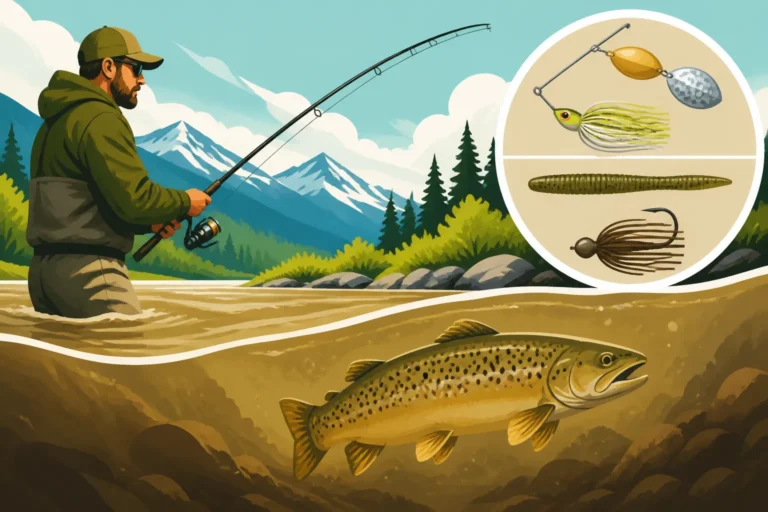
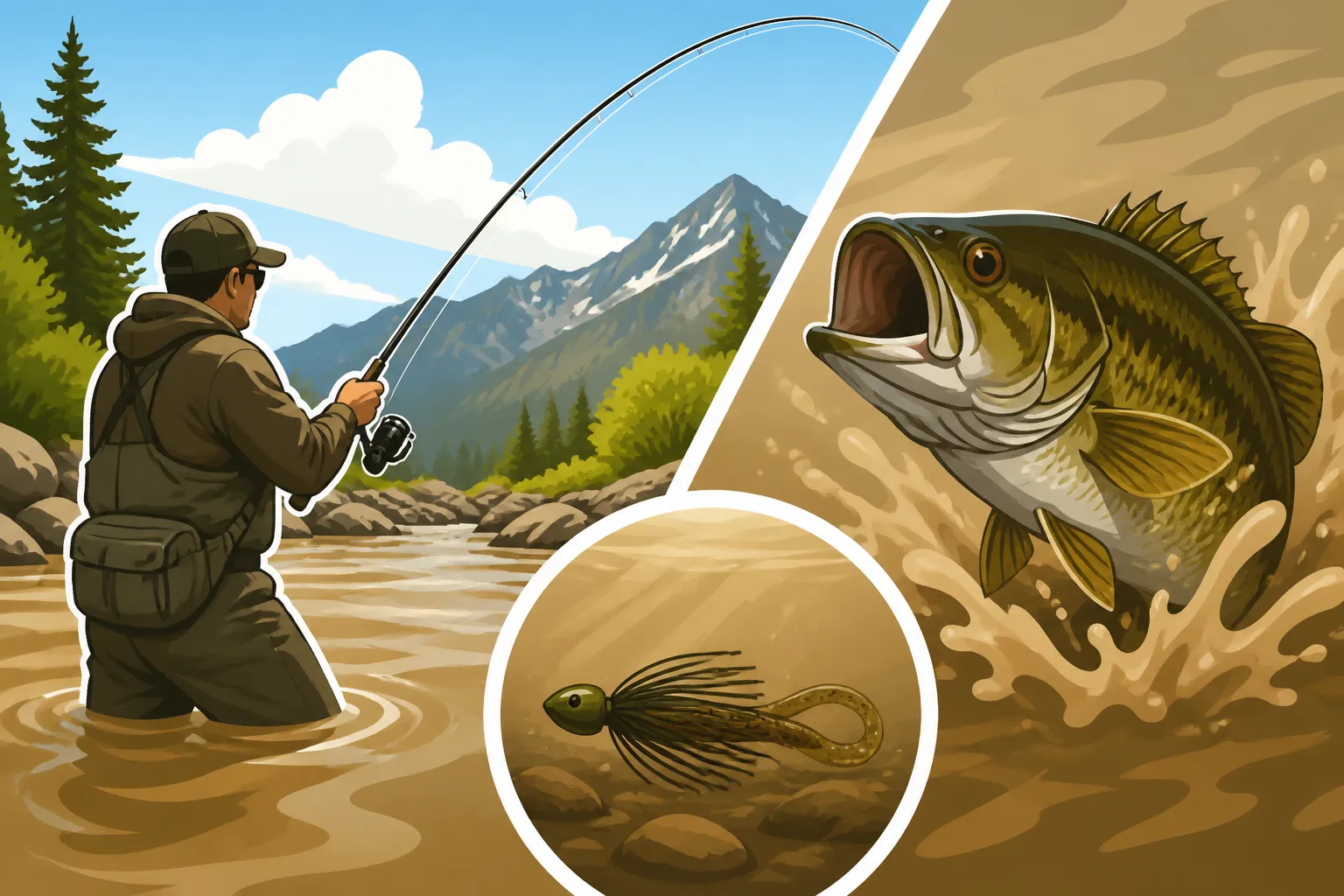
When fish can't see well, you need to make your offering scream "EAT ME!" in other ways. This means focusing on two key elements: vibration and scent. For lures, think about options that create a lot of commotion in the water. Spinnerbaits are fantastic because the blades create flash and thump that fish can feel through their lateral line. Colorado blades, in particular, produce a wider, slower throb, which is excellent for turbid conditions. Crankbaits with a wide wobble are another great choice, sending out strong vibrations that fish can home in on. If you're using jigs, consider those with larger profiles or incorporate soft plastics with paddle tails or grub tails that move a lot of water.
For bait, scent is king. Live bait like worms, minnows, or even cut bait gives off a natural scent trail that fish can follow even when they can't see it. PowerBait, fish eggs, or commercial scent attractants applied to your lures can also be incredibly effective. Many anglers swear by adding an extra dab of garlic or anise scent, readily available on Amazon, to their soft plastics or jigs. Remember, the goal is to create a "smell highway" directly to your hook. You can explore more options in our comprehensive guide to the Best Bait and Lures for Idaho Fishing.
Choosing Colors and Line for Low Visibility
The old adage "bright colors for bright days, dark colors for dark days" often holds true in muddy water, but there's a bit more nuance. In truly murky conditions, contrasting colors are often best. Think chartreuse, bright orange, hot pink, or firetiger patterns. These colors create a distinct silhouette against the murky background, making them easier for fish to pick up even with limited vision. Glow-in-the-dark or UV-enhanced lures can also be very effective, especially in deeper, darker muddy water. The key is to make your offering stand out, not blend in.
When it comes to line, a heavier monofilament or fluorocarbon leader might be a good choice. While fluorocarbon is known for its low visibility, its stiffness can also transmit vibrations well. However, in heavily turbid water, fish aren't relying on sight anyway, so the slight visibility of monofilament isn't a huge concern. What is important is durability, especially if there's debris in the water from runoff. Consider bumping up your line test slightly to handle potential snags or larger fish that might be less finicky in the murk.
| Lure Type | Best Characteristics for Muddy Water | Example Colors | Why it Works |
|---|---|---|---|
| Spinnerbaits | Large Colorado blades, robust vibration | Chartreuse, Orange, White | Strong thumping vibration, flash, good silhouette |
| Crankbaits | Wide wobble, rattles, buoyant | Firetiger, Hot Pink, Black | Creates strong water displacement and noise |
| Jigs/Soft Plastics | Paddle tails, grub tails, scent-infused plastics | Pumpkinseed, Green Pumpkin, Black/Blue | Creates subtle vibration, holds scent well |
| Scent Attractants | Strong, long-lasting, natural or enhanced | Garlic, Anise, Crawfish | Fish detect through smell from a distance |
| Live Bait | Worms, minnows, leeches | N/A | Natural scent and movement, irresistible |
Tried-and-True Techniques for Turbid Waters
Fishing muddy water isn't about giving up; it's about adapting. You need to present your offering in a way that maximizes a fish's ability to detect it using senses other than sight. This often means slowing things down, focusing on vibration and scent, and being patient.
Slow and Low: The Retrieval Speed Mantra
When visibility is poor, fish don't have the luxury of chasing down fast-moving prey from a distance. Their strike zones shrink dramatically. This means your retrieval speed needs to slow way down. Give fish ample time to detect your lure through vibration and scent, and then to react and strike. A slow, steady retrieve often works best for spinnerbaits and crankbaits. For jigs and soft plastics, a dragging or hopping motion along the bottom can be incredibly effective, mimicking an injured or easy meal.
Think about bottom-hugging presentations. Many fish will use the bottom as a reference point in murky conditions and might be more inclined to feed there where they feel secure. This is where a jig-and-pig or a Carolina-rigged worm can shine. The slower you go, the more time your bait spends in the limited strike zone of a fish, increasing the chances of a bite. Remember, patience is a virtue in these conditions, and a deliberate, slow presentation is key.
Leveraging Vibration and Scent Trails
As we've discussed, vibration and scent become paramount in muddy water. For vibration, choose lures that actively displace water and create a "thump" that fish can feel with their lateral line. Spinnerbaits, chatterbaits, and wide-wobbling crankbaits are excellent for this. Experiment with different retrieve speeds to find the sweet spot where your lure is generating the most appealing vibration without moving too fast. Sometimes a stop-and-go retrieve can be effective, allowing the lure to pause and then "kick" back into action, creating a sudden burst of vibration.
Scent is your secret weapon. Whether you're using live bait, cut bait, or applying commercial scent to your artificials, make sure your offering has a strong, persistent odor. The scent trail acts as a beacon, guiding fish to your lure. Reapply scent frequently, especially after a few casts or if you've been working your lure through debris. Some anglers even pre-soak their soft plastics in scent to maximize absorption. The goal is to leave a compelling "bread crumb" trail that fish can follow directly to your hook, even if they can't see it until it's right in front of their nose. These strategies are part of a broader set of Idaho Fishing Techniques Guide that can be adapted for varying conditions.
Strategic Bait Presentation
Beyond just slow and low, how you present your bait matters significantly. In muddy water, accuracy becomes less about pinpoint casting to visible structure and more about covering water effectively where fish are likely to be holding. Fan casting, where you cast to different angles across a wide area, ensures you're putting your lure in front of as many potential fish as possible.
Consider the depth. Fish might move shallower to find warmer water or more oxygen, or they might hug deeper structure to avoid the current and debris. Pay attention to changes in depth contours and structure that could create current breaks or calm pockets. Don't be afraid to repeatedly cast to the same spot, especially if you suspect fish are holding there. Since visibility is low, a fish might not detect your lure on the first pass, but repeated presentations can eventually draw them in. Sometimes, simply letting your bait sit for a longer period in one spot can be the most effective presentation of all.
Location, Location, Location: Finding Fish in the Murk
Even in muddy water, fish don't just disappear. They simply relocate to areas where they feel safer, more comfortable, or where feeding is easier. Your job as an angler is to think like a fish and predict these hiding spots.
Seeking Out Clearer Water Pockets
One of the first things many fish will do when conditions turn muddy is seek out any available clearer water. This could be subtle, like a small eddy behind a rock or log in a river, or more obvious, such as the mouths of untouched tributary streams or even spring-fed inflows that remain pristine. These pockets often provide a refuge from the main current's turbidity and can concentrate fish significantly.
Look for areas where the main flow is blocked or slowed down, creating a natural filtration effect. Bays, coves, and backwater areas in lakes and reservoirs can also offer slightly clearer conditions than the main body of water, as the suspended sediment has more time to settle. On rivers, pay close attention to slower sections, inside bends, and areas with submerged vegetation that might help filter the water. Sometimes, just a few feet of increased visibility can make all the difference for a fish looking for a comfortable holding spot. Our guide on Reading Water on Idaho's Rivers provides more details on identifying these crucial spots.
Targeting Structure and Current Breaks
Structure is always important in fishing, but it becomes even more critical in muddy water. Fish use submerged logs, rock piles, ledges, and drop-offs as ambush points and protection. In turbid conditions, these features provide a sense of security and often concentrate baitfish, making them prime targets for predators. Target the upstream side of structure where current breaks are formed, offering fish a respite from the main flow while still allowing them to ambush prey being swept downstream.
Current breaks, in particular, are goldmines in muddy rivers. Any seam where fast water meets slow water, or where a turbulent current is deflected by an obstacle, can hold fish. The fish will sit in the calmer water, expending less energy, while waiting for food to drift by in the adjacent current. Fan casting parallel to these current seams, or casting upstream and letting your lure drift into the calmer water, can be extremely productive. Learning to fish these current breaks is essential to a successful Spring Fishing in Idaho experience.
Shallow Water Opportunities
While it might seem counterintuitive to fish shallow in muddy water, it can actually be incredibly effective, especially for certain species like bass, trout, and panfish. Shallow areas, particularly those with vegetation or cover, can warm up faster in the spring sun, attracting baitfish and insects. The reduced light penetration from the muddy water also makes fish feel more secure in shallower depths, as predators can't spot them as easily from above.
Look for shallow flats, shorelines with submerged grass, or areas with woody debris in just a few feet of water. These areas often receive less direct current, allowing sediment to settle a bit more, or at least providing consistent, predictable cover. Fish might be actively foraging here, relying on their lateral line and sense of smell to detect prey. Don't overlook these often-ignored shallow zones, as they can hold surprising numbers of active fish. Also, checking out the Best Rivers for Fishing in Idaho and the Best Lakes for Fishing in Idaho might help you pinpoint potential shallow-water havens.
The Role of Electronics in Turbid Conditions
Even if you can't see the bottom with your eyes, your fish finder can still be an invaluable tool. While it won't help you with lure color, it absolutely can help you pinpoint depth changes, submerged structure, and even concentrations of baitfish or larger game fish. In muddy water, knowing exactly where a channel swings, a rock pile sits, or a thermocline forms can give you a huge advantage.
Use your sonar to map out the contours of the bottom, identify drop-offs, and locate brush piles or other submerged cover. Even if you don't see distinct fish arches, understanding the underwater landscape helps you present your lure in the most productive zones. If you're on a boat, use your trolling motor to slowly work areas you've identified with your electronics, making precise casts to prime spots. This combination of technology and thoughtful presentation is a game-changer when facing challenging conditions. Our guide on How to Use a Fish Finder on an Idaho Reservoir offers more insights.
Adapting Your Approach Throughout the Spring Season
Spring in Idaho is a dynamic time, and what works early in the season might need adjusting as the weeks progress. Muddy water conditions are often at their peak during the initial stages of snowmelt and heavy rains, but they don't always last.
Early Spring: Peak Turbidity and Cold Water
During early spring, when snowmelt is just starting and water temperatures are still quite cold, turbidity can be at its highest. Fish metabolism is slower in cold water, meaning they are less active and less likely to chase. This reinforces the need for slow, deliberate presentations and lures with strong scent and vibration. Focus on the slowest moving, least turbid areas you can find.
Targeting deeper holes or slack water pockets where fish can conserve energy and find some refuge from the current is often productive. The fish are less likely to be scattered, and finding those key holding areas becomes even more important. This is a time when live bait or heavily scented artificials often outperform other options. Remember to dress warmly as per our Idaho Fishing Gear Guide by Season, because cold, muddy water usually means chilly air temps too!
Mid-Spring: Stabilizing Flows and Warming Temps
As spring progresses into mid-season, the initial surge of snowmelt might begin to stabilize, and water temperatures generally start to rise more consistently. You might notice some areas beginning to clear up, while others remain turbid. Fish activity will increase with warming water, making them a bit more willing to move and strike.
You can often start to incorporate slightly faster retrieves or more aggressive lure actions. However, still prioritize vibration and scent in any areas that remain murky. This period can be excellent for exploring a wider range of techniques and fishing spots. Keep an eye on weather patterns; a sudden heavy rain can quickly revert conditions to early spring turbidity, requiring you to adapt back to slower, more scent-driven approaches. Pay attention to the Idaho Fishing Season Calendar to anticipate these shifts.
Late Spring: Clearing Waters and Active Fish
By late spring, many of Idaho's waters will have largely cleared from the initial runoff. While localized muddy conditions can still occur after heavy storms, overall visibility will improve significantly. Fish will be much more active and spread out, often moving into shallower areas to spawn or feed aggressively.
At this point, you can transition back to a broader array of lures and techniques, including those that rely more on visual appeal. However, even in clearer water, remembering the lessons learned from muddy conditions—like the importance of subtle vibrations or a little extra scent—can still give you an edge. It's a great time to experiment with different presentations as fish are often more cooperative.
Disclaimer
This article is for general informational purposes only and does not constitute professional advice. Laws, prices and regulations vary by location and change over time. Consult a qualified professional for guidance on your specific situation.