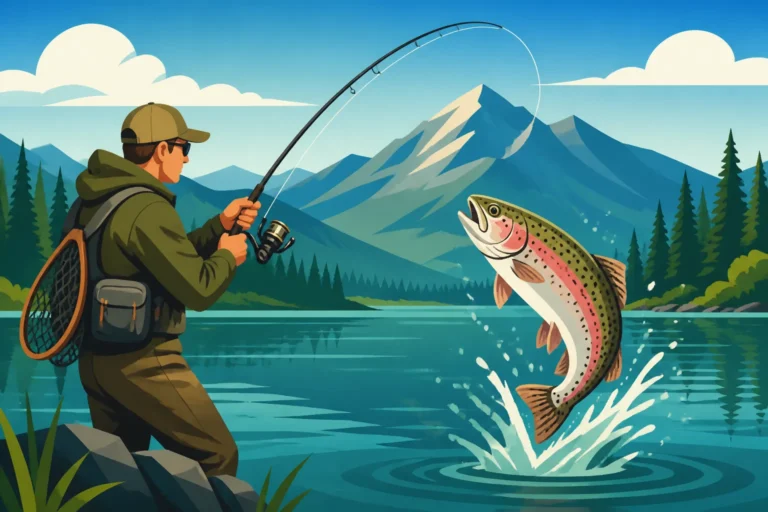
Is Silver Creek Good for Beginners?
Oh, the legendary Silver Creek! It’s a name that conjures images of crystal-clear water, massive, spooky trout, and anglers with decades of experience delicately placing tiny dry flies. For many of us, especially when we're just starting out or still honing our skills, the thought of fishing such hallowed waters can feel incredibly intimidating, almost like we're not "good enough" yet. This guide is here to tackle that very question head-on: is Silver Creek a good place for beginners to fish, or is it better saved for when you've got a few more seasons under your belt?
Understanding Silver Creek's Reputation for Anglers
Let's be honest, Silver Creek isn't just any fishing spot in Idaho. It's often whispered about in hushed, reverent tones by experienced fly anglers across the country. This reputation, while well-deserved, can definitely make a newcomer feel like an outsider before they even step foot on the bank.
Why Silver Creek Is Famed Among Experts
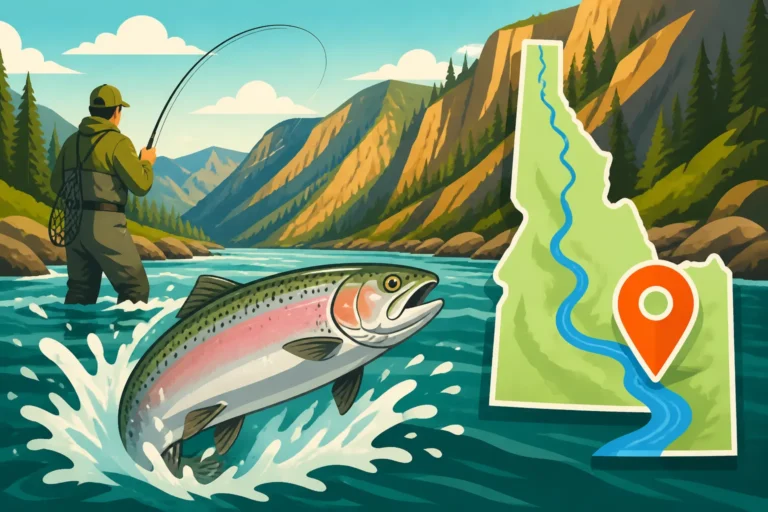
Silver Creek, located near Sun Valley, is a unique, world-renowned spring creek ecosystem. What makes it so special is its incredibly consistent water temperature, fed by underground springs, which fosters an abundance of aquatic insects and, consequently, large, healthy trout. The water is often astonishingly clear, a characteristic that seasoned anglers love because it allows for incredible sight-fishing opportunities. You can often see the fish you're casting to, watching their reactions to your fly. This level of visibility also demands exceptional stealth and precision, as any errant movement or splashy cast will send those smart trout darting for cover. Many experts travel here specifically to test their mettle against these discerning fish, targeting species like robust Rainbow Trout and the native Westslope Cutthroat Trout, which thrive in its pristine conditions. It’s a true classroom for advanced techniques, challenging even the most skilled anglers.
The Allure of Trophy Trout
It's not just the challenge; it's the reward. Silver Creek is famous for producing truly magnificent trout. We're talking about fish that push the 20-inch mark, sometimes even larger. These aren't your typical hatchery stockers. They are wild, strong, and incredibly wary, having survived countless attempts from skilled anglers. The sheer size and pristine beauty of a Silver Creek trout, often sporting vibrant colors and perfect fins, is a major draw. For a beginner, landing one of these leviathans would be a lifetime achievement, but the reality is that consistently hooking these trophy fish requires a level of finesse that takes years to develop. The clear water means these fish get a good look at your fly, your leader, and even your shadow, making them incredibly difficult to fool. It's this combination of challenge and potential for a true trophy catch that fuels Silver Creek's legendary status among experienced fly fishers.
Silver Creek's Challenges for the Novice Angler
While the allure is undeniable, it's essential to understand why Silver Creek can be a tough nut to crack for someone new to the sport, especially if you're just learning how to fly fish in Idaho. These aren't insurmountable obstacles, but they do require patience and a realistic approach.
Highly Selective Trout
One of the biggest hurdles for beginners on Silver Creek is the incredibly selective nature of its trout. Because the water is so clear and full of natural food sources, these fish have the luxury of being picky eaters. They see hundreds of natural insects drifting by every day, so they become experts at identifying anything that looks or acts unnatural. This means your fly pattern has to be an almost perfect match to the current hatch, your leader and tippet must be incredibly fine (often 6x or 7x), and your presentation needs to be absolutely flawless – no drag, no splashes, just a soft, natural drift.
Imagine this scenario: you're standing on the bank, you spot a nice trout sipping emergers off the surface, and you tie on what you think is the right fly. You cast, and it looks okay, but the fish ignores it completely. You try again, and again, maybe changing flies, but nothing works. This can be incredibly frustrating for a beginner who might not yet understand the nuances of fly selection, drift, and how to approach these highly educated fish without spooking them. It's not a place where you can just throw any old lure and expect results.
Technical Casting and Presentation
Beyond fly selection, the actual mechanics of getting your fly to the fish on Silver Creek are highly demanding. You need accurate casts, often at varying distances, to hit specific feeding lanes without disturbing the water around the fish. Presentation is paramount; the fly needs to land softly, without a splash, and drift naturally downstream, as if it were a real insect. This often requires complex casting techniques like slack-line casts or curve casts to avoid drag, where the current pulls on your line and makes your fly move unnaturally.
For someone still mastering the basics of a simple overhead cast, trying to achieve these delicate presentations can feel like trying to run a marathon before you've learned to walk. Long, fine leaders are essential to keep distance between your fly line and the fish, but they also make casting more challenging, especially in windy conditions. If you're struggling with consistent loops or hitting your target, Silver Creek will highlight those imperfections immediately, often resulting in spooked fish and a disheartening day.
Reading the Water
Understanding where fish hold and feed is a fundamental skill in fishing, but it's particularly nuanced on a spring creek like Silver Creek. Unlike a freestone river with obvious riffles, pools, and runs, spring creeks often appear deceptively uniform. The current might be slow, and the fish can be anywhere – tucked under undercut banks, sipping in shallow flats, or holding in subtle depressions.
For a beginner, the lack of obvious structure can make locating fish incredibly difficult. You might spend a lot of time casting to empty water, or inadvertently casting over fish that you didn't even see. Learning to read the subtle currents, identify insect activity, and anticipate where a selective trout might be positioned takes keen observation and experience. It's a different kind of "reading the water" than you might do on, say, the Snake River for smallmouth bass or a larger trout stream, making it another layer of complexity for those new to the game.
Making Silver Creek More Accessible for Beginners
Alright, so we've established that Silver Creek presents some real challenges for beginners. But that doesn't mean it's entirely off-limits. With the right approach and expectations, a beginner can absolutely enjoy a day on these famous waters, or at least gain valuable experience.
When and Where to Go
Timing and location can significantly impact a beginner's experience on Silver Creek. Generally, the late summer and early fall (August through October) can be a bit more forgiving. During these months, insect hatches are often robust, and the fish, while still selective, might be slightly more aggressive in their feeding patterns. Terrestrial insects like grasshoppers and ants are also prevalent, and casting larger, more visible patterns can sometimes be easier than tiny midges. Early season (May and June) before the peak fishing pressure can also offer good opportunities, though water levels and specific hatches need to be monitored.
When it comes to "where," certain sections of Silver Creek are considered less technical or offer easier access. The access points managed by the Nature Conservancy Preserve, for instance, are well-maintained and provide ample space, though the fish here are notoriously educated. Exploring sections downstream from the Preserve, or looking into some of the publicly accessible stretches on the main stem, might offer slightly less pressured fish and more room to practice without feeling scrutinized. Always consult the Idaho Fishing Regulations Explained brochure for any specific rules related to certain sections of the creek, as they can sometimes vary.
Gear and Tactics for Success
A beginner venturing to Silver Creek should simplify their approach. Instead of trying to master delicate dry fly presentations immediately, consider focusing on nymphing techniques. A simple indicator nymphing rig, using weighted nymphs that imitate subsurface insects, can be very effective and less demanding in terms of casting and presentation accuracy. Patterns like a Pheasant Tail Nymph, Hare's Ear Nymph, or a Copper John in sizes 16-20 are usually reliable.
Bring a quality fly rod in the 4 or 5-weight range, paired with a matching floating fly line. Your leader should be at least 9 feet long, tapered down to 5x or 6x tippet. Don't skimp on quality tippet; the clarity of Silver Creek demands it. Pack a variety of common fly patterns relevant to the season, and don't be afraid to ask local fly shops (like those in Sun Valley or Ketchum) for current hatch information. For specific guidance on the best bait and lures for Idaho fishing, especially for trout, consider exploring different approaches. For a full rundown of what to bring, check out our comprehensive guide to Idaho Fishing Gear Guide by Season. Even just mastering a few essential Idaho Fishing Knots Every Angler Should Know before you go can make a huge difference in your confidence and success.
The Value of a Guided Experience
Honestly, for a beginner wanting to experience Silver Creek without the overwhelming frustration, booking a guided trip is probably the single best investment you can make. A local guide knows the water intimately, understands the nuances of the hatches, and can spot fish a mile away. More importantly, they can offer real-time instruction tailored to your skill level. They'll tell you what flies to use, show you how to cast effectively for that specific spot, and help you read the water to identify prime holding lies.
Think of it this way: instead of spending a day frustrated and empty-handed, you're getting a personalized lesson from an expert, likely increasing your chances of hooking up and definitely accelerating your learning curve. Many guides offer fly fishing lessons specifically for beginners on Idaho's technical waters. Companies like Silver Creek Outfitters or Sun Valley Guides are reputable local options. You can often find and book these experienced guides through platforms like FishingBooker, which makes finding a reputable guide straightforward. They can navigate the complexities of specific regulations and techniques, making your first Silver Creek experience educational and enjoyable. Learning how to book a fishing guide in Idaho, especially for specialized waters like Silver Creek, is a smart move for any novice.
Alternatives to Silver Creek for Learning to Fish in Idaho
If the thought of tackling Silver Creek still feels a bit too much right now, that's perfectly okay! Idaho is brimming with fantastic fishing opportunities that are much more beginner-friendly and will allow you to build confidence and skills without the pressure.
Beginner-Friendly Waters Nearby
Instead of diving straight into the deep end with Silver Creek's selective trout, consider these excellent alternatives to get your feet wet:
- Local Ponds and Community Fisheries: Many Idaho towns, including Boise, Nampa, and Pocatello, have small community ponds that are regularly stocked by Idaho Fish and Game. These ponds are usually easy to access, often have amenities like docks or paved paths, and hold eager Rainbow Trout, bass, or panfish. They're perfect for practicing casting, learning to tie knots, and getting that satisfying tug on the line. Places like Settlers Park Pond in Meridian or Kleiner Park Pond in Boise are fantastic options for a low-pressure day.
- Sections of the Boise River: While some stretches of the Boise River can be technical for fly anglers, sections flowing through urban areas, particularly those with good public access like along the Greenbelt, offer opportunities to catch Rainbow and Brown Trout. The fish here are generally less selective than in Silver Creek, and you can often have success with basic spin fishing gear and common baits like worms or PowerBait, or simpler fly patterns. This offers a great chance to learn how to read a pool on an Idaho river.
- Smaller Reservoirs: Idaho has numerous reservoirs that are stocked or hold healthy populations of various fish species. Lucky Peak Reservoir near Boise, or Cascade Reservoir further north, offer good opportunities for trout, bass, perch, and even tiger muskie (in Cascade). These larger bodies of water provide plenty of space, and the fish are often less wary, making them ideal for practicing different techniques, from casting lures to still-fishing with bait. You might find that the best time of year to fish in Idaho for these species can offer very rewarding experiences.
For more ideas on easier places to start, explore our comprehensive guide to Best Fishing Spots in Idaho, and specifically, our recommendations for beginner water near Boise or beginner water near Coeur d'Alene.
Focus on Fundamental Skills First
Before you even think about the technical challenges of Silver Creek, dedicate some time to truly mastering the foundational skills of fishing. This means getting comfortable with your casting, whether it's with a spinning rod or a fly rod. Practice making accurate casts to a target, and work on controlling your line. Learn a few essential knots – the Improved Clinch Knot for tying on lures or flies, and a Surgeon's Knot for joining lines are great starting points.
Understanding basic fish behavior, like where fish typically hold in different water types (eddies, riffles, undercut banks), will also serve you well. Learn how to properly handle a fish for release, minimizing stress and injury. These fundamental skills are like the building blocks; once you have them down on easier waters, approaching a more challenging environment like Silver Creek will feel far less daunting. You'll have a solid toolkit to draw from, allowing you to focus on the specific nuances of Silver Creek without being bogged down by basic mechanics. Remember, practice makes perfect, and Idaho offers countless opportunities to hone your craft.
| Feature / Consideration | Silver Creek (Technical Spring Creek) | Beginner-Friendly Idaho Water (e.g., Stocked Pond/Easier River) |
|---|---|---|
| Fish Selectivity | Extremely High (Trophy Trout) | Low to Moderate (Eager Stocked Trout, Panfish, Bass) |
| Water Clarity | Crystal Clear | Clear to Murky (Varies greatly by location) |
| Required Skill Level | Advanced Fly Fishing (Stealth, Precision) | Basic Spin Fishing or Simple Fly Fishing (Easier Casting) |
| Gear Complexity | Fine Leaders (6x-7x), Specific Fly Patterns | Standard Mono Line, Basic Baits/Lures, Larger Flies |
| Frustration Potential | High for beginners | Low to Moderate (Higher chance of catching fish) |
| Learning Opportunities | Advanced Techniques, Patience, Observation | Basic Casting, Knot Tying, Fish Handling, General Experience |
| Best Approach | Guided Trip for Novices | DIY, Focus on Fundamentals |
Disclaimer
The information provided in this guide is for general informational purposes only. Fishing regulations, season dates, and specific rules for different waters in Idaho are subject to change. Always consult the latest official Idaho Fish and Game regulations and proclamations before planning any fishing trip. Adherence to all local, state, and federal laws is the responsibility of the angler. Fishing carries inherent risks, and participants should take appropriate safety precautions.