Idaho Catch-and-Release-Only Waters List
It can be incredibly frustrating to hit the water in Idaho, only to realize too late that the spot you've chosen has special regulations, especially "catch-and-release only" rules. Nobody wants to accidentally break the law or, worse, unintentionally harm a precious fish population. This guide is here to clear up the confusion, giving you a definitive list of Idaho's catch-and-release-only waters and the essential knowledge you need to fish them responsibly, ensuring a rewarding experience for both you and the fish.
Why Catch-and-Release Rules Are So Important
Before we dive into the specific waters, let's talk about why these catch-and-release (C&R) rules exist in the first place. It's not just about making things complicated for anglers; it's a vital conservation tool that helps maintain healthy fish populations, especially in some of Idaho's most treasured and fragile ecosystems. As an angler who loves these waters, understanding the 'why' makes following the rules so much easier.
Protecting Sensitive Fish Populations
Many of Idaho's most iconic fish species face unique challenges, from habitat loss to fluctuating water levels and climate change. Catch-and-release regulations are often put in place to protect these sensitive populations, allowing them to thrive and reproduce. Think about species like native cutthroat trout, which are the state fish, or the magnificent white sturgeon. These fish might have slow growth rates, specific spawning requirements, or simply be at risk due to environmental pressures. By releasing them unharmed, we give them the best possible chance to continue their lifecycle, ensuring that future generations of anglers can also experience the thrill of catching them. It's a long-term investment in the health of our fisheries.
Enhancing the Quality of the Fishing Experience
Beyond pure conservation, catch-and-release also plays a massive role in improving the overall quality of fishing. When fish are consistently returned to the water, populations can grow larger and healthier. This means more fish to catch, often bigger fish, and a more vibrant ecosystem to enjoy. Some of Idaho's most famous fly-fishing destinations, like sections of the Henry's Fork or Silver Creek, are renowned for their robust populations of large, wild trout, precisely because they are managed under strict C&R rules. These waters offer unparalleled opportunities for skilled anglers to test their techniques against truly wild fish, knowing that every fish they catch is released to fight another day. It transforms a simple fishing trip into a truly world-class angling adventure.
Specific Idaho Waters Designated Catch-and-Release Only
Idaho is a vast state with incredibly diverse fisheries, and its catch-and-release rules reflect that variety. It's crucial to remember that these regulations can sometimes be species-specific, time-specific, or location-specific, so always double-check the current Idaho Fishing Regulation Brochure and Proclamation before heading out. However, there are some well-known areas and species that consistently fall under catch-and-release mandates.
Iconic Fly-Fishing Streams
Idaho boasts some of the West's most celebrated fly-fishing waters, and many of these have implemented C&R regulations to preserve their exceptional trout fisheries.
- Henry's Fork of the Snake River (Specific Sections): The Henry's Fork is legendary among fly anglers, particularly its upper sections. For instance, the famous "Ranch" section, from the Last Chance boat launch downstream to the Osborne Bridge, is strictly catch-and-release for all trout, year-round. This area is known for its incredibly selective, large rainbow trout and challenging fishing. Other sections, like from the USGS gauging station near Island Park Dam to the Henry's Fork State Park, also have extended C&R periods or specific C&R rules for certain trout species. These regulations are designed to protect the wild trout populations and ensure the stream remains a premier destination for those seeking a true test of their fly-fishing skills.
- Silver Creek: Often called the "Crown Jewel" of Idaho's fly fishing, Silver Creek, managed largely by The Nature Conservancy, is almost entirely catch-and-release for all trout. This pristine spring creek near Sun Valley is famous for its crystal-clear water and large, wild rainbow and brown trout that demand impeccable presentation. The C&R rules, combined with stringent gear restrictions (like single, barbless hooks and no bait), ensure that this fragile ecosystem and its resident fish can thrive. Fishing here is an exercise in patience and precision, a truly rewarding experience for dedicated fly anglers. You can learn more about how to fish Silver Creek's technical water, but be ready to release your prize.
Protected Sturgeon Fisheries
The majestic white sturgeon, North America's largest freshwater fish, is a true living dinosaur, and Idaho is home to some incredible sturgeon fishing. However, these fish are highly protected, and their fishing is exclusively catch-and-release.
- Snake River (Statewide): Across the entire Snake River and its tributaries, sturgeon fishing is strictly catch-and-release. This is a non-negotiable rule due to the species' protected status and slow reproductive cycles. Anglers target these giants using heavy tackle and large baits, but the experience culminates in a careful release. The Idaho Rule Against Removing Sturgeon from the Water is critical to their survival, meaning you cannot take them out of the water for photos. Learning how to release a sturgeon safely in Idaho is paramount for any angler hoping to pursue these incredible fish.
Species-Specific Catch-and-Release Rules
Sometimes, the C&R rule isn't about the specific body of water, but about the specific fish you might encounter, regardless of where you're fishing.
- Bull Trout: Bull trout are federally protected and are strictly catch-and-release statewide, year-round. These beautiful native char are often found in cold, pristine waters in mountainous regions. If you accidentally catch one, you must release it immediately and unharmed. Proper identification is key, and understanding the difference between a bull trout and a lake trout (Mackinaw) is important, as they can sometimes be confused. Always err on the side of caution.
- Wild Steelhead and Chinook Salmon: While hatchery steelhead and Chinook salmon can often be harvested in designated seasons, wild-origin fish are almost always catch-and-release. These are often identified by an intact adipose fin, whereas hatchery fish typically have a clipped adipose fin. Knowing how to identify a wild steelhead is crucial, as keeping a wild one can lead to significant penalties. This regulation is vital for the recovery and conservation of these incredible anadromous fish, which make epic migrations from the ocean to Idaho's rivers.
Here's a quick overview of some key C&R waters and species in Idaho:
| Water/Location | Species Affected | Catch-and-Release Rule | Special Notes |
|---|---|---|---|
| Henry's Fork (Specific Sections) | All Trout | Year-round C&R | Check specific section regulations (e.g., Last Chance to Osborne Bridge). Fly fishing is dominant. |
| Silver Creek (near Sun Valley) | All Trout | Year-round C&R | Single, barbless hooks, artificial lures only. |
| Snake River (Statewide) | White Sturgeon | Year-round C&R | Do not remove sturgeon from water. Heavy tackle required. |
| Statewide | Bull Trout | Year-round C&R | Federally protected. Release immediately. |
| Various Rivers | Wild Steelhead/Chinook Salmon | C&R (if adipose fin intact) | Requires careful identification. Consult Idaho Steelhead Bag Limits or Idaho Catch Limits and Bag Limits Explained for specific areas. |
| Some High Mountain Lakes/Streams | Native Cutthroat Trout | Often C&R or reduced limits | Check specific local regulations for these sensitive areas. |
Understanding the Nuances of Catch-and-Release Regulations
Navigating Idaho's fishing regulations can feel like a labyrinth sometimes, especially with all the specifics on catch-and-release. It's not always a simple "yes" or "no" answer, and understanding the subtleties can save you a lot of headache (and potential fines). The state's approach is highly detailed, reflecting the biological needs of various fish species and the unique characteristics of Idaho's diverse waterways.
Species-Specific vs. Water-Specific Rules
One of the biggest distinctions you'll encounter is whether a C&R rule applies to a specific species no matter where it's found, or to all fish (or a specific set of fish) within a particular body of water.
For example, Bull Trout are almost universally catch-and-release throughout Idaho, irrespective of the river or lake you're in. Catching one anywhere means you are legally obligated to release it carefully. This is a species-specific regulation designed for maximum protection across their entire range. The logic is that this endangered species needs full protection wherever it might be encountered.
On the other hand, certain stretches of the Henry's Fork have water-specific regulations that dictate all trout caught in that section must be released. You could be fishing for rainbow trout, brown trout, or cutthroat, and if you're within that defined C&R boundary, they all go back. This type of regulation is often implemented to create trophy fisheries, protect spawning grounds, or manage fish populations in highly pressured areas. The take-home message here is to always consult the regulations for both the species you are targeting and the specific waterbody you plan to fish. Sometimes, both layers of rules apply simultaneously, so it's best to be informed.
Hatchery vs. Wild Fish Distinction
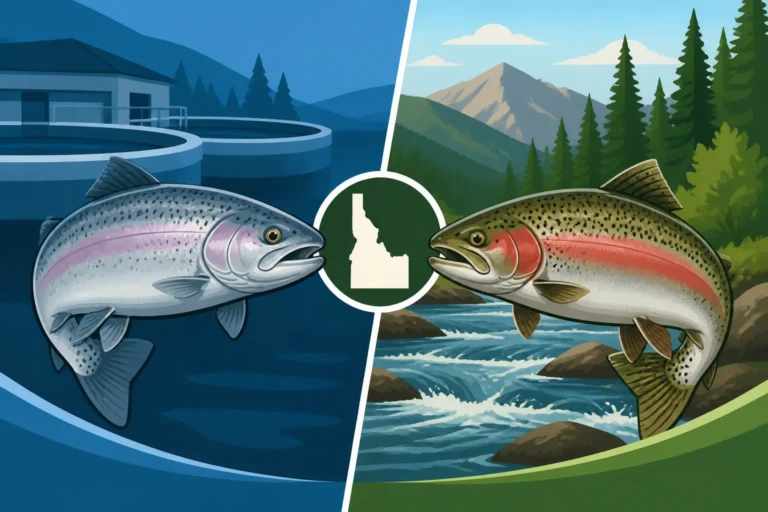
For anadromous species like Steelhead and Chinook Salmon, the distinction between hatchery-raised and wild-born fish is absolutely critical, and it directly impacts C&R rules. Idaho Fish and Game uses adipose fin clipping as the primary method to differentiate these fish. Hatchery fish, which are stocked to provide harvest opportunities, typically have their small, fleshy adipose fin (located between the dorsal fin and the tail) removed. Wild fish, protected under conservation efforts, retain their adipose fin.
This means that on many rivers, you might be allowed to keep a certain number of hatchery Steelhead (with a clipped fin) but must release any wild Steelhead (with an intact adipose fin). This isn't just a suggestion; it's a hard and fast rule, and failure to comply can result in serious penalties. It's truly heartbreaking for conservationists and fellow anglers when someone mistakes a wild fish for a hatchery one. Taking the time to learn how to identify a wild steelhead is an essential skill for any angler on Idaho's salmon and steelhead rivers. This nuanced approach allows for recreational harvest while safeguarding the precious wild gene pools that are so important for the species' long-term survival.
The Importance of the Current Proclamation
Idaho's fishing regulations are dynamic, not static. They can change annually, and sometimes even within a season, due to biological needs, fish counts, or management decisions. Relying on outdated information or hearsay is a recipe for disaster. The single most reliable source for the most up-to-date and comprehensive fishing rules is the official Idaho Fishing Regulation Brochure and Proclamation, published annually by the Idaho Department of Fish and Game.
This document is your bible on the water. It details general rules, species-specific rules, and, most importantly, the complex web of special regulation waters. It will outline precise boundaries for C&R sections, bait restrictions, gear limitations (like Idaho Barbless Hook Requirements), and seasonal closures. You can usually pick up a physical copy at any Idaho Fish and Game office or licensed vendor, or easily download a PDF version from the IDFG website. I always recommend having a digital copy on your phone or a printed one in your tackle box. It's not just about avoiding a citation; it's about being a responsible steward of Idaho's incredible fishing resources. Think of it as your field guide to all Idaho Special Regulation Waters and Reduced Limits.
Gear and Best Practices for Catch-and-Release Success
Fishing catch-and-release isn't just about putting the fish back; it's about how you put the fish back. The goal is to minimize stress and injury to ensure the fish has the best possible chance of survival after its encounter with you. This requires a little extra thought about your gear and your technique, but it's totally worth it for the health of the fish and the integrity of our fisheries.
Essential Catch-and-Release Gear
Having the right tools at hand makes a world of difference in successfully releasing a fish unharmed. You'll want to think about your hooks, your net, and your de-hooking tools.
- Barbless Hooks: This is probably the most crucial piece of gear. Barbless hooks penetrate easily but, more importantly, come out easily with minimal damage to the fish's mouth. Many C&R-only waters, particularly those for trout, actually require barbless hooks. You can buy hooks that are already barbless, or you can simply crimp down the barb on your existing hooks with a pair of pliers. This simple modification can drastically reduce injury to the fish, making the release process quicker and less stressful. Many of the hooks I use for Steelhead on the Clearwater River, even when keeping hatchery fish, are barbless, just to make handling easier. You can find excellent quality barbless hooks from brands like Gamakatsu or Owner on Amazon, often in multi-packs, making it easy to convert your tackle box.
- Knotless Landing Nets: A good net is invaluable. Look for a net with rubberized, knotless mesh. Traditional knotted nylon nets can abrade a fish's slime coat (its natural protective barrier) and damage fins or eyes. A knotless rubber or silicone net, which you can easily find on Amazon, cradles the fish gently, reducing stress and protecting its delicate skin and fins. This is especially important for larger fish or those you want to photograph quickly before release.
- Forceps or Pliers: These are absolute must-haves. Long-nosed pliers or hemostatic forceps allow you to quickly and easily remove hooks, especially if they're deeply set. Trying to dig a hook out with your fingers can cause more damage and prolong the fish's time out of water. Keep them handy on a lanyard or in an accessible pocket. Good quality forceps can be found easily, often in combination kits with line nippers, on Amazon.
Proper Fish Handling Techniques
Even with the best gear, your technique for handling a fish is paramount. Every second out of water, every rough touch, increases stress and reduces survival rates.
- Minimize Air Exposure: This is arguably the most important rule. Fish breathe water, not air. Keep the fish in the water as much as possible. If you must lift it for a quick photo, do so only for a few seconds. For species like sturgeon, the Idaho Rule Against Removing Sturgeon from the Water means they must never be taken out of the water. Even for trout, a quick in-water photo is always best.
- Use Wet Hands: If you need to touch the fish, always wet your hands first. Dry hands can remove the fish's protective slime coat, making it vulnerable to infection.
- Support the Fish Properly: Never hold a fish by the gills or vertically by its jaw alone, especially large fish. This can damage internal organs and spines. For trout and salmon, cradle the fish horizontally, supporting its belly and tail. For large sturgeon, keep them in the water and support their entire body.
- Quick and Gentle De-hooking: Once netted, get the hook out as quickly and gently as possible using your forceps. If the hook is too deeply embedded, it’s sometimes better to cut the line close to the hook eye and leave the hook in place; barbless hooks will often rust out or dislodge naturally.
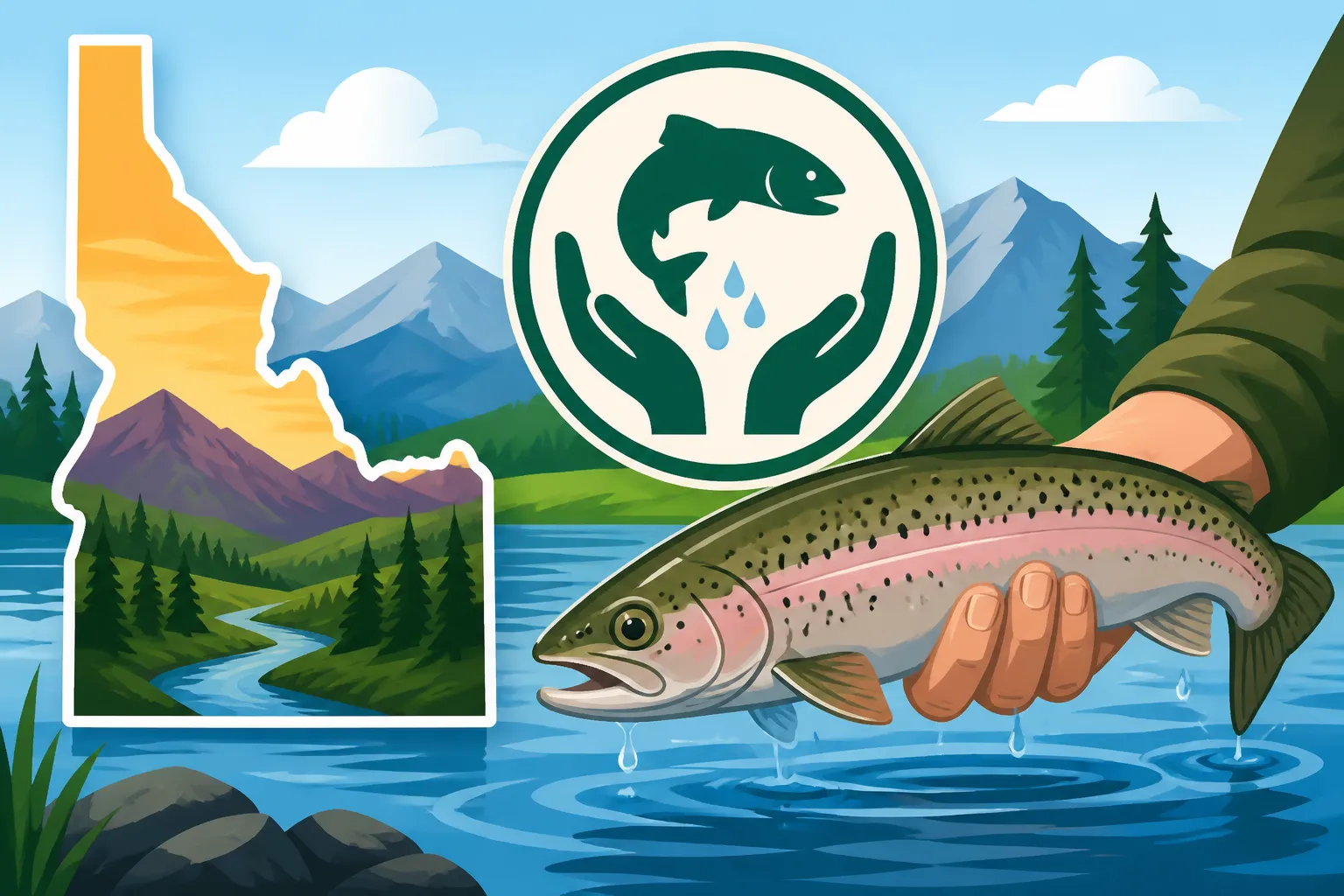
- Revive the Fish: Hold the fish gently in the water, facing upstream into a current if possible, allowing water to flow over its gills. Don't move it back and forth; this doesn't help. When it starts to swim strongly and can hold itself upright, gently let it go. Sometimes, this can take a few minutes, especially after a long fight.
Being a Responsible Angler in Catch-and-Release Waters
Beyond the specific gear and handling, being a truly responsible angler in C&R waters means adopting a broader mindset of stewardship. This includes more than just your actions with a fish.
- Know Before You Go: Always, always check the current regulations. This includes not just C&R rules, but also bait restrictions, gear limitations (like a maximum number of rods per angler if allowed), and any seasonal closures. A quick check on the Idaho Fish and Game website or a glance at the proclamation before you head out can prevent major issues.
- Respect Signage and Boundaries: Pay attention to any posted signs at trailheads, access points, or along the river. These signs often highlight special regulations or boundaries for C&R sections. Respecting these local markers is essential for protecting the specific areas they're designed for.
- Practice Self-Control: If a fish is exhausted from a long fight, or if water temperatures are unusually warm, sometimes the most responsible choice is to stop fishing, even if the regulations allow you to continue. High water temperatures, particularly in late summer, can stress fish even more, making post-release survival less likely.
- Lead by Example: Your actions on the water speak volumes. By diligently following C&R best practices, you set a positive example for other anglers, especially those who might be new to the sport or unfamiliar with specific regulations. We're all ambassadors for healthy fisheries, and every little bit helps keep Idaho fishing fantastic.
Disclaimer
The information provided in this guide is intended for general informational purposes only and is subject to change. While we strive to provide accurate and up-to-date content, Idaho's fishing regulations can be complex and are updated annually or as needed by the Idaho Department of Fish and Game. Always consult the most current official Idaho Fishing Regulation Brochure and Proclamation before engaging in any fishing activities to ensure compliance with all applicable laws and regulations.