Does a 13-Year-Old Need a Fishing License in Idaho?
The joy of fishing in Idaho is something we want to share with everyone, especially the next generation of anglers. However, when you’re planning a family trip, one of the first questions that pops up, often with a little head-scratching, is about fishing licenses, especially for those in-between ages. You might be wondering, "Does my 13-year-old actually need a fishing license in Idaho, or can they just grab a rod and join in?" This guide is here to clear up that confusion and make sure your family's next Idaho fishing adventure is hassle-free and full of tight lines.
Understanding Idaho's Youth Fishing License Rules
Navigating fishing regulations can sometimes feel like trying to untangle a particularly stubborn fishing knot, especially when it comes to age requirements. The Idaho Department of Fish and Game (IDFG) has specific rules designed to encourage young people to get out and experience the state's incredible fisheries, while also ensuring proper management and conservation. For 13-year-olds, there's generally some good news on the licensing front.
The General Age Requirement
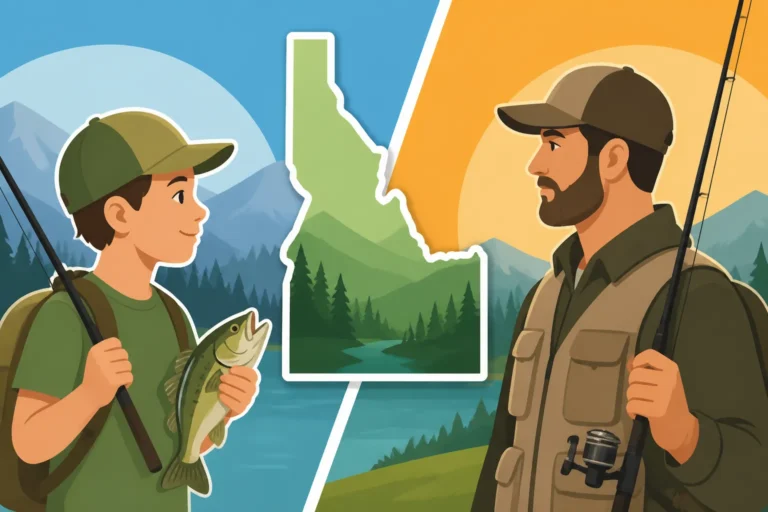
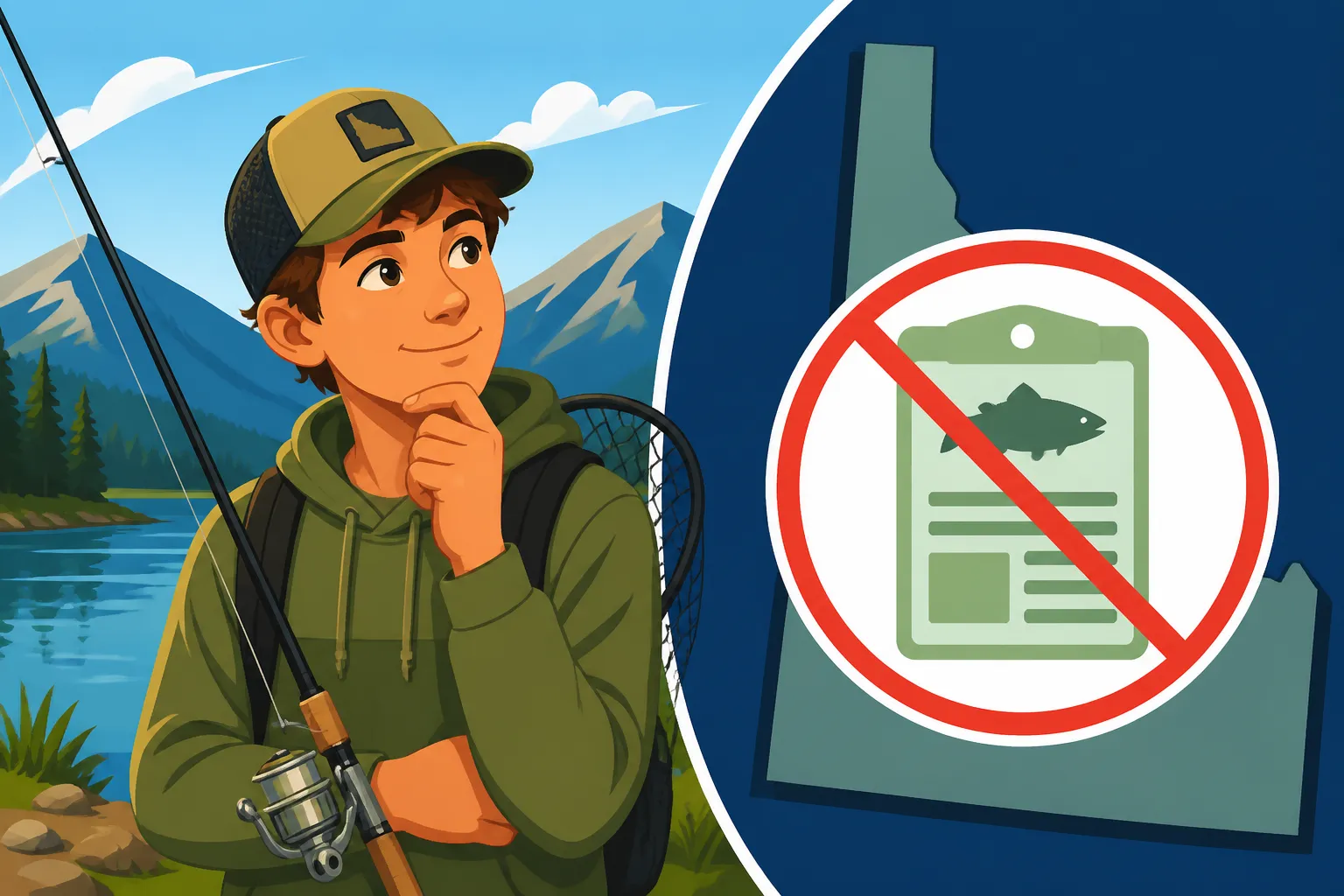
Here’s the straightforward answer that often surprises folks: in Idaho, generally speaking, kids who are 13 years old do not need a general fishing license. The requirement for a general fishing license kicks in when an angler turns 14. This means that if your child is still 13 on the day you head out to the lake or river, they are usually exempt from needing to purchase a standard license. It's a common point of confusion because many states have different age cutoffs, and sometimes the rules for hunting or other activities might apply differently.
This age requirement is designed to make it easy for families to introduce younger members to the sport without an immediate financial or bureaucratic hurdle. Imagine trying to explain license types and fees to a kid who’s just eager to cast a line for the first time! Idaho aims to simplify that initial step, letting the pure excitement of fishing take center stage. So, if your child is proudly telling everyone they're 13, you can reassure them they won't need to dig into their piggy bank for a license just yet.
This exemption applies to both residents and nonresidents alike. Whether you're visiting from out of state or just heading down the road to your local pond, the age 14 threshold remains consistent. This means more time enjoying the beautiful Idaho outdoors and less time figuring out paperwork.
Why Kids Under 14 Are Exempt
The exemption for anglers under the age of 14 isn't just a random number; it's a thoughtful policy by the Idaho Department of Fish and Game. The primary goal is to foster a love for fishing and the outdoors in young people from an early age. By removing the license requirement for younger kids, Idaho reduces potential barriers that might prevent families from going fishing. Think about it: a family might be hesitant to spend money on a license for a child who's just trying fishing for the first time and might not stick with it. This policy encourages experimentation and exploration.
Furthermore, this approach acknowledges that younger children often fish in a more supervised capacity, typically with a licensed adult. The adult's license covers the primary responsibility for understanding and adhering to regulations, allowing the younger angler to focus on the fun and learning aspects. It’s a fantastic way to pass down traditions and create lasting memories without an initial burden. You can find more details on specific rules designed for families in our comprehensive guide, Idaho Fishing Rules for Kids and Families.
The IDFG also views this as an investment in the future of conservation. When kids develop a passion for fishing early on, they're more likely to become responsible, conservation-minded adults who will support wildlife management efforts through their own license purchases down the line. It's a win-win: kids get free access to incredible fishing, and Idaho's natural resources gain future advocates.
What a 13-Year-Old Can and Cannot Do Without a License
While the general rule is that a 13-year-old doesn't need a license, it's crucial to understand the specifics of what that means for their fishing activities. "No license needed" doesn't mean "no rules apply." All other statewide and local regulations still need to be followed diligently.
Fishing Opportunities for Unlicensed Youth
A 13-year-old, without a general fishing license, can enjoy a wide array of fishing opportunities across Idaho. They can cast for popular species like rainbow trout, bass (both smallmouth and largemouth), perch, bluegill, and crappie in most of Idaho’s general waters. This includes countless lakes, reservoirs, and rivers that are open to standard fishing. For example, they could easily spend a day at Lake Coeur d'Alene trying for panfish or exploring local ponds near Boise for stocked trout.
The key here is "general waters" and "general species." They are still expected to adhere to all bag limits, possession limits, size restrictions, and gear restrictions for the specific waters they are fishing. For instance, if the daily bag limit for trout on a particular water body is six, your 13-year-old can still only keep six, even without a license. It's a fantastic way to teach them about responsible angling and respecting the resource, even at a young age. Our article, Idaho Daily Bag Limit for Trout on Most Waters, offers more insight into these rules.
It’s always a good idea for the supervising adult, who must have a valid license, to have a copy of the current Idaho Fishing Regulation Brochure and Proclamation on hand, either digitally on their phone or a physical copy. These documents outline all the rules, and a quick check can prevent any misunderstandings or accidental violations.
Exceptions and Special Permits
This is where it gets a little more nuanced, and it’s a critical piece of information for families fishing with 13-year-olds. While a general fishing license isn't required, there are certain species and situations where additional permits or rules come into play, regardless of age. Specifically, when it comes to anadromous fish like steelhead and Chinook salmon, the rules could be different.
However, after careful review of the current Idaho fishing regulations, it's confirmed that youth under the age of 14 do not need an Idaho fishing license to fish, nor do they need a salmon or steelhead permit. This is excellent news for families hoping to introduce their young anglers to the thrill of catching these magnificent species on iconic rivers like the Salmon River or the Clearwater River. The exemption applies broadly to both the general license and these specific permits.
This means a 13-year-old can indeed fish for steelhead or Chinook salmon without any license or special permit. However, just like with other species, they must still abide by all other regulations, including daily bag limits, possession limits, seasons, and gear restrictions (like barbless hooks where required). The adult supervising them, on the other hand, will need a general fishing license and the appropriate Salmon and Steelhead Permit. This ensures that the overall fishing effort is still regulated and monitored for conservation purposes. So, while your teen is reeling in a chrome bright steelhead, make sure you, as the adult, have all your ducks in a row with your permits!
| Angler Age | General Fishing License Required? | Salmon/Steelhead Permit Required? |
|---|---|---|
| Under 14 | No | No |
| 14-17 | Yes (Youth License) | Yes (if targeting these species) |
| 18+ | Yes (Adult License) | Yes (if targeting these species) |
It's important to remember that regulations can change, so always consult the most current Idaho Fishing Regulations Explained directly from the IDFG website or brochure before heading out.
Benefits of Getting a License Even If Not Required
Even though your 13-year-old technically doesn't need a license, there are some really compelling reasons why getting one, or at least thinking about the purpose behind them, can be a valuable part of their angling journey. It’s not just about ticking a box; it’s about being part of something bigger.
Supporting Conservation and Management
Every fishing license purchased in Idaho contributes directly to the vital work of the Idaho Department of Fish and Game. These funds are the lifeblood of fish stocking programs, habitat restoration projects, research into fish populations, and the enforcement of regulations that protect Idaho’s precious aquatic ecosystems. When you buy a license, you're not just buying a piece of paper; you're investing in the future of Idaho fishing.
Even if a 13-year-old doesn't have to get a license, understanding this concept is crucial. It teaches them that their recreational activity has a direct link to conservation. Explaining that their future fishing experiences depend on these efforts can instill a sense of responsibility and stewardship. Imagine fishing a pristine river like the St. Joe and knowing that license fees helped keep it that way. It makes the experience even more meaningful. While there isn't a dedicated "youth conservation license," contributing through an adult's purchase or simply understanding the system helps build this connection.
Think of it as contributing to a community pool that everyone enjoys. The more people contribute, the better the pool becomes. By purchasing a license, even if it's for an older sibling or a parent, the whole family contributes to ensuring healthy fish populations and accessible fishing spots across the state, from the high mountain lakes in the Sawtooths to the sprawling Snake River.
Learning Responsibility and Regulations
Introducing a 13-year-old to the concept of fishing licenses and regulations, even when they’re exempt, is a fantastic way to teach responsibility. It helps them understand that fishing isn't just about catching fish; it's about being a respectful participant in nature. Discussing why we have rules, like bag limits or specific seasons, helps them grasp the importance of sustainable practices.
For example, explaining the difference between a hatchery steelhead and a wild one, and why wild ones must be released, ties directly into conservation efforts and regulatory frameworks. They learn that there's a science and a reason behind every rule. This kind of education transforms them from passive participants into engaged, thoughtful anglers. When they eventually turn 14 and need their own license, the process will be familiar, and the reasons behind it already understood. This groundwork makes the transition much smoother and reinforces ethical angling practices.
You can involve them in looking up regulations together, perhaps using the Idaho Fish and Game website or the official brochure to check specific rules for a particular lake or river you plan to visit. This empowers them with knowledge and helps them become more independent and responsible anglers.
Transitioning to Adult Angler Status
The jump from not needing a license to suddenly needing one at age 14 can feel abrupt if not prepared for. By discussing the Idaho Fishing License Age Requirements and the impending need for a license, you can make this transition seamless for your 13-year-old. It frames the eventual purchase of their own license as a rite of passage, a step into full angler responsibility.
Consider the practical side: knowing about the process in advance helps avoid last-minute scrambles when they turn 14. They can learn How to Buy an Idaho Fishing License, whether it's online or at a local sporting goods store. They'll also become familiar with the Idaho Fishing License Cost Guide, understanding that different licenses might be available (like an annual vs. a short-term license). This pre-education encourages them to embrace their role as a contributing member of the fishing community rather than seeing the license as an inconvenient hurdle.
This gradual introduction helps cultivate a lifelong passion for fishing. When they understand the 'why' behind licenses and regulations, they’re more likely to continue fishing responsibly as adults, appreciating the opportunity Idaho provides.
Practical Considerations for Families Fishing with a 13-Year-Old
Fishing with kids is a rewarding experience, but a little preparation can go a long way in making it successful and memorable. Beyond the license question, there are other practical aspects to consider when bringing a 13-year-old along for an Idaho fishing adventure.
Checking Local Regulations and Special Waters
While a 13-year-old doesn't need a general license, it's absolutely vital for the supervising adult to double-check the specific regulations for the particular body of water you plan to fish. Idaho has a diverse landscape, and fishing rules can vary significantly from one river to another, or even different sections of the same river. Some waters might have special regulations, such as catch-and-release only rules, fly-fishing-only zones, or restrictions on bait use.
For instance, certain sections of the Henry's Fork are known for their technical fly-fishing-only regulations, which would impact any angler, regardless of age or license status. Similarly, some special regulation waters might have reduced bag limits or specific seasons that differ from statewide general rules. Always consult the official Idaho Fishing Regulation Brochure and Proclamation for the current year. This document is your go-to source for all the nuances, and it's readily available online or at most Idaho Fish and Game offices and license vendors.
Ignoring these local rules, even unintentionally, can lead to fines and spoil an otherwise perfect day on the water. Make it a family activity to review the regulations before each trip; it’s a great way to educate your young angler about the varied ecosystems and management strategies throughout Idaho.
Essential Gear for Young Anglers
Even the most enthusiastic 13-year-old needs the right tools to enjoy their fishing trip. While you might already have a tackle box full of your favorites, considering gear specifically suited for younger anglers can make a huge difference in their success and enjoyment. A shorter, lighter rod and reel combination that's easy to handle will reduce fatigue and frustration. Many brands offer youth combo kits that are perfect for beginners.
When it comes to bait and lures, keep it simple and effective. Basic worm and bobber setups are always a hit, especially for catching panfish or stocked trout. For those ready for lures, small spinners or spoons that are easy to cast can be very productive. You can often find great beginner-friendly gear and tackle kits on platforms like Amazon, which offers a wide selection to get started without breaking the bank. Don't forget essentials like a small tackle box they can call their own, a pair of blunt-nosed pliers for hook removal, and a net to help land their catches.
Comfort is also key. Make sure they have appropriate clothing for the weather, sunscreen, a hat, and plenty of water and snacks. A comfortable, prepared angler is a happy angler, and that's the best way to foster a lifelong love for the sport. For a more detailed look at what to pack, check out our guide on Idaho Fishing Gear Guide by Season.
Making the Fishing Experience Enjoyable
Remember, for a 13-year-old, the primary goal might not be to catch the biggest fish or even a lot of fish. Often, it's about the experience itself: spending time outdoors, learning new skills, and making memories with family. Keep the atmosphere light, fun, and patient. Celebrate every cast, every nibble, and certainly every fish, no matter how small.
Focus on the journey, not just the destination. Talk about the wildlife you see, the beauty of the landscape, and the sounds of nature. Let them try different techniques, even if they're not the most efficient. Sometimes, just having the freedom to experiment, without the pressure of needing to land a trophy, is what truly sparks a lasting interest. Consider planning your trip around times when fishing is generally good, perhaps after a recent Idaho Fish Stocking Reports Explained, to increase their chances of success and keep spirits high.
Even a simple picnic lunch by the water can turn a slow fishing day into a fantastic family outing. And don't forget the camera! Capturing those moments of excitement, concentration, and pride will be cherished long after the fish are gone. Ultimately, a positive and encouraging environment is the best bait for hooking a young angler for life.
Disclaimer
Please note that fishing regulations in Idaho can change. While every effort has been made to provide accurate and up-to-date information, it is the angler's responsibility to consult the current Idaho Fishing Regulation Brochure and Proclamation or the Idaho Department of Fish and Game website before heading out on any fishing trip. This article is intended for informational purposes only and should not be considered legal advice.