Best Time of Year to Book a Steelhead Guide in Idaho
It can be incredibly frustrating to dream of a legendary steelhead fishing trip in Idaho, only to find that when you finally decide on a date, all the best guides are completely booked. The magic of these powerful, ocean-run rainbow trout is undeniable, but timing your trip, and more importantly, timing your booking, can make all the difference between a dream trip and a missed opportunity. This guide will walk you through the nuances of Idaho's steelhead seasons and help you understand the optimal windows for both fishing and securing an experienced guide to lead your adventure.
Understanding Idaho's Steelhead Seasons: A Year-Round Pursuit
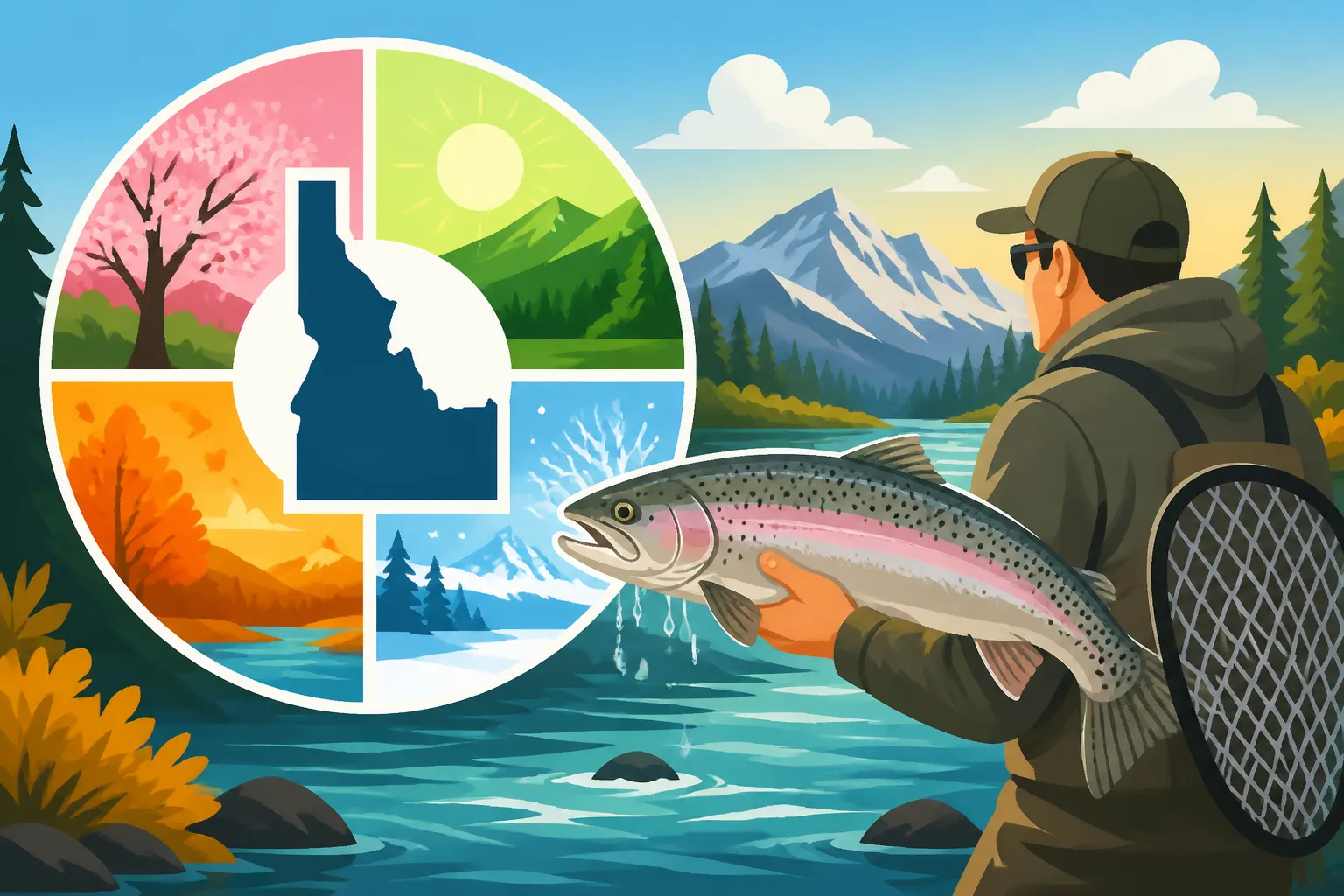
Idaho's steelhead fishery isn't a single, monolithic season; it's a dynamic, year-long cycle driven by the fish's incredible journey from the Pacific Ocean, up the Columbia and Snake Rivers, and into the Salmon and Clearwater river systems. Understanding these distinct phases is crucial for knowing when these magnificent fish are present and catchable.
Fall Steelhead Run: The Initial Push
The fall steelhead run typically marks the start of the primary fishing season, usually kicking off in September and often running strong through November. This is when the first waves of adult steelhead, often referred to as "A-run" and "B-run" fish, begin to enter Idaho's rivers. The water temperatures are cooling, invigorating the fish after their long journey, and they're typically aggressive. Anglers often flock to rivers like the Clearwater and Salmon during this time, drawn by the prospect of fresh, chrome-bright fish.
The river conditions are usually more stable in the early fall before heavy snows and extreme cold set in. Leaves on the trees are changing, adding a beautiful backdrop to your fishing experience. However, this popularity means that many anglers are eyeing the same prime weeks. If you're hoping to experience the crisp air and vibrant scenery of a fall steelhead trip, understanding that many others share this ambition is key.
Winter Steelhead Fishing: A Test of Endurance
As fall transitions into winter, usually from December through February, the steelhead season doesn't stop, but it certainly changes. The rivers become colder, and ice can become a factor in some areas. The fish become less active, often holding in deeper, slower pools, and their bites can be much more subtle. This is a time for patience and persistence, but it can also be incredibly rewarding.
Winter steelhead fishing offers a solitude that the bustling fall season might lack. While there might be fewer fish moving through, the ones present have settled into their wintering lies. Anglers who brave the cold are often rewarded with fewer crowds and the chance at some truly impressive, large steelhead that have conserved energy. It's a different kind of challenge, but for many, it's a deeply satisfying one, offering a quiet communion with the river.
Spring Steelhead Run: The Home Stretch
The spring steelhead run, typically from March into April, sees the fish that have overwintered in the rivers become more active as water temperatures begin to rise. Additionally, a new push of "spring-run" fish might enter the rivers. These fish are often preparing to spawn, and they can be incredibly aggressive, offering some fantastic last-chance opportunities before the season concludes.
This period can be a bit of a race against time, as increasing temperatures also bring snowmelt and spring runoff. High, muddy water can quickly make fishing difficult, even impossible, for periods. Timing your spring trip requires careful attention to weather forecasts and river reports. However, hitting it right can provide explosive action, as fish that have been dormant all winter suddenly come alive. When Idaho Steelhead Season Starts Each Year is a great resource to understand these seasonal nuances more deeply.
Prime Steelhead Fishing Windows: Timing Your Trip for Success
While steelhead are present in Idaho rivers for much of the year, certain windows offer a higher probability of success, whether that's due to fish numbers, aggressive feeding, or favorable river conditions. Aligning your trip with these prime windows is crucial, and it directly impacts when you should be looking to book a guide.
The Peak of the Fall Run
For many, the sweet spot for fall steelhead fishing falls between late October and mid-November. During this period, a significant number of fish have entered the rivers, and the water temperatures are often ideal for active fish. The river is usually at a good level, and the weather, while cool, hasn't yet plunged into the deep freeze of winter. This is when guides are often working tirelessly, putting clients on fish consistently.
This peak offers a fantastic balance of comfortable fishing conditions and good fish numbers. Whether you're drift fishing from a boat, swinging flies, or bank fishing, the chances of encountering active steelhead are relatively high. The energy on the river is palpable, with anglers sharing stories of chrome-bright fish. This is the time when guides' calendars fill up the fastest, often a year or more in advance, precisely because the fishing is so good.
Mid-Winter Opportunities
While winter fishing can be tougher, there are often periods of stable cold weather, or even brief thaws, that can spark excellent mid-winter action. These opportunities usually arise when river conditions stabilize—meaning no rapid temperature drops or significant ice formation. Often, a clear, sunny, but cold day can be surprisingly productive, as the fish become accustomed to the conditions.
Finding these windows often requires local knowledge and flexibility, which is where a guide truly shines. They know the subtle changes in the river and can put you on fish when others might struggle. While not as consistently "hot" as the fall peak, the rewards of a large, hard-fighting winter steelhead, especially with fewer anglers around, can be immensely satisfying. This is when patience pays off, and having an expert guide who understands subtle presentations is invaluable.
Spring's Last Hurrah
The period from early March to early April can be another prime window, offering what many consider the "last hurrah" of the steelhead season before runoff makes rivers unfishable. As daylight hours lengthen and water temperatures gradually increase, the overwintered fish often get a burst of energy. They become more willing to chase and strike, offering some truly memorable battles.
This springtime surge can be fantastic for both conventional gear anglers and fly fishers, especially those targeting fish with aggressive patterns. However, you need to be mindful of the impending spring runoff, which can vary greatly year to year. A reputable guide will be monitoring conditions closely and can advise on the best dates to hit this fluctuating window. Booking for this period is still competitive because the window can be narrow, but the fishing can be explosive when it's good.
When to Book Your Idaho Steelhead Guide: The Early Bird Catches the Fish
Now that we've covered the prime fishing windows, let's get down to the brass tacks of booking. The short answer? As early as humanly possible, especially if you have specific dates or a particular guide in mind. Steelhead guiding in Idaho's renowned rivers is a highly sought-after service, and the best guides book up incredibly fast.
Booking for Fall Steelhead Trips
If your heart is set on experiencing the vibrant fall steelhead run, especially during that peak late October to mid-November window, you need to be thinking about booking a guide at least 9-12 months in advance, and often even further out. It's not uncommon for top guides on the Clearwater or Salmon River to have their prime fall dates filled up over a year ahead of time.
Imagine it: many anglers will re-book their trip for the same week next year while they're still on the river! This means those prime slots are perpetually in demand. If you wait until a few months before your desired trip, you'll likely find only scattered availability, or you might have to compromise on your preferred guide or dates. Don't be that angler who calls in July hoping for a November trip; you'll almost certainly be out of luck for the best options. Platforms like FishingBooker can show you a broad range of guide availability, but even there, popular dates will disappear quickly.
Securing a Winter Steelhead Guide
While winter steelhead fishing is less crowded than the fall rush, the demand for experienced guides who can navigate the colder conditions and locate the less active fish is still high. For winter trips (December to February), you should aim to book your guide at least 6-9 months in advance.
The winter months see fewer guides operating daily, but those who do are experts at cold-weather tactics. Their expertise becomes even more critical when fish are lethargic, and conditions can be challenging. Because the weather can be unpredictable, booking early gives you a better chance to secure a guide who is flexible and knowledgeable enough to make real-time adjustments or suggest alternative dates if extreme cold or ice becomes an issue. Planning ahead means you can secure a guide who will make those challenging conditions work in your favor.
Planning for Spring Steelhead Excursions
The spring steelhead run, with its potential for explosive action before runoff, is another highly desirable period. For March and April trips, particularly those early March dates before the major snowmelt begins, you should plan to book your guide at least 6-9 months in advance.
This window can be tricky because of the variable nature of spring weather and runoff. Booking early allows you to work with your chosen guide to discuss potential windows and contingency plans. They can advise you on the best few weeks based on historical data and current snowpack. Waiting until late winter to book can leave you scrambling for a guide during a potentially short, but incredibly rewarding, fishing period. Be proactive to lock in those crucial early spring dates. Consider checking out Best Time of Year to Fish in Idaho for a broader view of seasonal opportunities.
Factors Influencing Guide Availability and Booking Strategy
Beyond the general seasonal demand, several other factors play a significant role in guide availability and should influence your booking strategy. Being aware of these can give you an edge in securing that perfect Idaho steelhead trip.
Popularity and Reputation of Guides
This is a huge one. Idaho is home to many exceptionally talented steelhead guides, but some have built reputations that precede them. These guides, known for their consistent success, exceptional teaching skills, or simply their fantastic personalities, often have a dedicated following and repeat clients who book them year after year.
If you have a specific guide in mind, perhaps one recommended by a friend or seen featured in a fishing publication, be prepared to book them as far out as possible—potentially 12-18 months in advance for prime dates. These guides are in such high demand that their calendars often look like a jigsaw puzzle of future bookings. Don't underestimate the loyalty and forward-planning of experienced anglers. If you're flexible with who your guide is, but set on a specific timeframe, you might have more options, but the top-tier names will likely be gone. Check out How Far in Advance to Book a Steelhead Guide for more detailed advice.
Weekend vs. Weekday Trips
This might seem obvious, but it's often overlooked. Weekends are, without a doubt, the most popular days for guided fishing trips. Most people work Monday through Friday, making Saturday and Sunday the natural choice for a getaway. This means that prime weekend dates for steelhead guides get snapped up far faster than weekday slots.
If you have the flexibility to take a weekday trip, you'll find that guides often have more availability, even on shorter notice. Not only can this improve your chances of booking, but fishing on weekdays often means fewer boats on the river and less pressure on the fish, potentially leading to a more serene and productive experience. If your schedule allows, prioritizing a Tuesday or Wednesday over a Saturday could significantly improve your odds of booking a top-notch guide closer to your desired date.
Seasonal Demand and Weather Considerations
As discussed, fall is generally the highest demand season, followed by early spring, then winter. This demand directly correlates with how quickly guides book up. Beyond that, weather can be a wildcard. While you can't book a guide based on a perfect weather forecast, understanding seasonal patterns is key. For example, spring can bring early runoff, while winter can bring extreme cold.
A good booking strategy involves building in some flexibility if possible, or at least discussing contingency plans with your guide. If you book an early spring trip, what happens if the river blows out with snowmelt? What if a brutal cold snap freezes up the river in winter? While guides typically have Idaho Fishing Guide Cancellation Policies in place, knowing these upfront helps. Booking early means you secure a guide who has the experience to navigate these conditions and possibly reschedule if necessary, rather than being left stranded.
Using Online Booking Platforms
In today's digital age, online booking platforms have become incredibly useful tools for finding and securing fishing guides, even for highly sought-after trips like Idaho steelhead. Sites like FishingBooker connect anglers with a wide array of licensed guides and outfitters, allowing you to see their availability, compare services, and read reviews all in one place.
When you're trying to figure out the best time to book, platforms like FishingBooker can be particularly helpful. You can often see guides' calendars months, and sometimes a year or more, in advance. This visual representation quickly shows you which dates are filling up and provides a realistic picture of how far out you need to plan. While directly contacting a guide is always a good final step, these platforms offer an excellent starting point for research and initial booking, especially when you're looking to secure a guide for those highly competitive steelhead windows. They simplify the process of finding out "who's available when" across multiple providers.
| Idaho Steelhead Fishing Season | Prime Fishing Window | Recommended Booking Advance | Why Book Early? |
|---|---|---|---|
| Fall (Sept-Nov) | Late Oct – Mid Nov | 9-12+ Months | Highest demand; top guides book over a year out |
| Winter (Dec-Feb) | Stable cold periods | 6-9 Months | Fewer guides, specialized cold-weather expertise |
| Spring (Mar-Apr) | Early Mar – Early Apr | 6-9 Months | Narrow window before runoff; increasing activity |
Ultimately, for the best chance at a successful and enjoyable Idaho steelhead trip, the mantra is "plan ahead." Whether it's a fall adventure on the Clearwater, a quiet winter day on the Salmon, or a vibrant spring outing, securing your guide well in advance is the surest way to lock in your preferred dates and maximize your chances of connecting with one of Idaho's most iconic fish. Don't wait until it's too late and all the prime spots are gone; start planning your epic steelhead journey today! You might also find Idaho Fishing License Guide useful for planning.
Disclaimer
This article is for general informational purposes only and does not constitute professional advice. Laws, prices and regulations vary by location and change over time. Consult a qualified professional for guidance on your specific situation.